
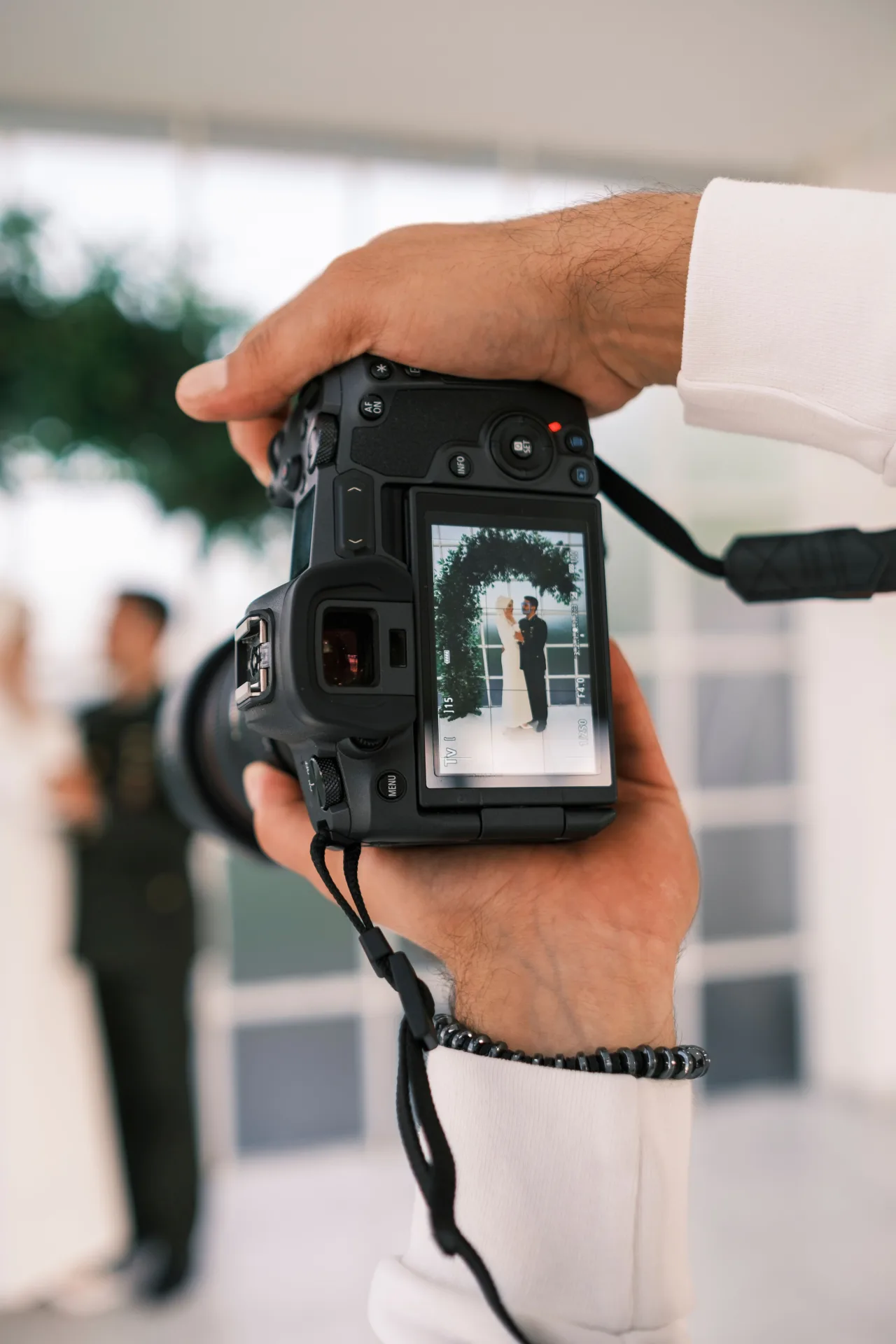
Your wedding photos will be the tangible memories you revisit for decades, which makes choosing the right photographer one of the most consequential decisions in your planning process. Unlike flowers that wilt or cake that gets eaten, photographs endure. The wrong choice can mean disappointing images that don't capture the emotion of your day, while the right photographer becomes an invisible artist who preserves every meaningful moment. Before you sign a contract or put down a deposit, ask these ten questions to ensure you're hiring someone who matches your vision, works within your budget, and delivers the quality you deserve.
What is Your Photography Style?
Photography styles vary dramatically, from classic posed portraits to photojournalistic candids, from moody and dramatic to bright and airy. Some photographers excel at editorial-style compositions, while others specialize in vintage film aesthetics or bold, vibrant colors. Ask to see full wedding galleries, not just highlight reels on Instagram. A photographer's website portfolio shows their best work, but a complete wedding album reveals consistency, how they handle different lighting conditions, and whether their style remains coherent throughout an entire event. If you love natural, unposed moments but the photographer's work is heavily staged, that's a mismatch worth discovering early.
How Many Weddings Have You Photographed?
Experience matters, particularly when it comes to managing timeline pressures, navigating family dynamics, and problem-solving on the fly. A photographer who has shot fifty weddings knows how to adapt when the ceremony runs late, when the outdoor lighting suddenly changes, or when Aunt Linda insists on reorganizing the family portraits. That said, a newer photographer with a strong portfolio and professional training can be an excellent choice, often at a lower price point. The key is understanding what you're getting. If they've only shot a handful of weddings, ask who mentored them and whether they've worked as a second shooter at larger events.
Are You Available on Our Wedding Date?
This sounds obvious, but confirm availability before you get too far into the conversation. Some photographers book a year or more in advance, especially during peak wedding season from May through October. If your date is available, ask whether they limit themselves to one wedding per day or if they book multiple events. A photographer juggling two weddings on the same day may need to leave early or arrive late, cutting into your coverage. You want someone fully present and focused on your celebration.
What Packages and Coverage Options Do You Offer?
Most wedding photographers offer tiered packages based on hours of coverage, number of photographers, and deliverables. A typical package might include eight hours of coverage with one photographer, an online gallery, and digital files. Upgrades often include a second shooter, engagement sessions, albums, or extended hours. Be specific about your timeline when discussing packages. If your ceremony starts at 4 p.m. but you want getting-ready photos starting at noon, eight hours won't be enough. Understand exactly what's included in the base price and what costs extra, so you can budget accurately and avoid surprises.
How Long After the Wedding Will We Receive Our Photos?
Turnaround time varies widely, from four weeks to six months depending on the photographer's workflow and editing style. Some photographers deliver a sneak peek of ten to twenty images within a week, then provide the full gallery later. Others batch their editing and work through weddings in the order they were shot. If you're hoping to use wedding photos for holiday cards or thank-you notes, a six-month wait won't work. Get the timeline in writing as part of your contract, and ask what happens if the photographer misses that deadline.
What is Your Backup Plan for Equipment Failure or Emergency?
Professional wedding photographers carry backup camera bodies, lenses, memory cards, and batteries because equipment fails. A single camera malfunction shouldn't derail your wedding coverage. Beyond gear, ask about their contingency plan if they become ill or face an emergency. Reputable photographers have a network of trusted colleagues who can step in if the unthinkable happens. If a photographer works entirely solo with no backup plan, that's a significant risk you're assuming.
Do You Carry Liability Insurance?
Many wedding venues require vendors to carry liability insurance, which protects against accidents like tripping over equipment or damage to property. A photographer working without insurance may not be allowed on-site at certain venues, and you could be held responsible if something goes wrong. This is a basic professional standard, and any established photographer should be able to provide a certificate of insurance if your venue requests one.
Can We See a Full Wedding Gallery from Start to Finish?
Highlight reels showcase a photographer's very best images, sometimes pulled from dozens of different weddings. A full gallery tells the real story: how they capture getting-ready moments, ceremony details, family formals, reception dancing, and everything in between. It reveals their consistency, storytelling ability, and how many truly strong images you can expect from your own wedding. If a photographer is hesitant to share complete galleries, ask why. Client privacy is a reasonable concern, but they should have at least one or two full weddings available for serious inquiries.
How Do You Handle Shot Lists and Family Portraits?
Some couples arrive with detailed shot lists covering every combination of family members, while others prefer a looser, more organic approach. Ask how the photographer manages this process. Most professionals appreciate a list of must-have family groupings and any special moments unique to your wedding, but they'll also advise against overly scripted timelines that leave no room for spontaneity. Discuss how much time to allocate for family portraits. Efficient photographers can work through ten to fifteen groupings in about thirty minutes if everyone is gathered and ready, but it requires coordination.
What Rights Do We Have to the Photos, and How Will They Be Delivered?
Most wedding photographers provide digital files with a license for personal use, meaning you can print, share on social media, and create albums for yourself. However, the photographer typically retains the copyright and may use images for their own marketing. If you want full copyright ownership or restrictions on how your photos are shared publicly, discuss that upfront. Delivery format matters, too. High-resolution files are necessary for printing large canvases or professional albums, while web-optimized versions work for online sharing. Confirm you'll receive high-resolution images and clarify whether they come with print rights.
Get Matched with the Right Wedding Photographer
Asking these questions helps you move past surface-level portfolios and marketing language to understand how a photographer actually works, what you'll receive, and whether their approach aligns with your vision. The right wedding photographer doesn't just take beautiful pictures—they put you at ease, anticipate moments before they happen, and deliver images that feel authentically yours. If you're ready to find a photographer who checks all the boxes, post your request on RippleQuest and get matched with experienced wedding photographers in your area who are ready to make your day unforgettable.