
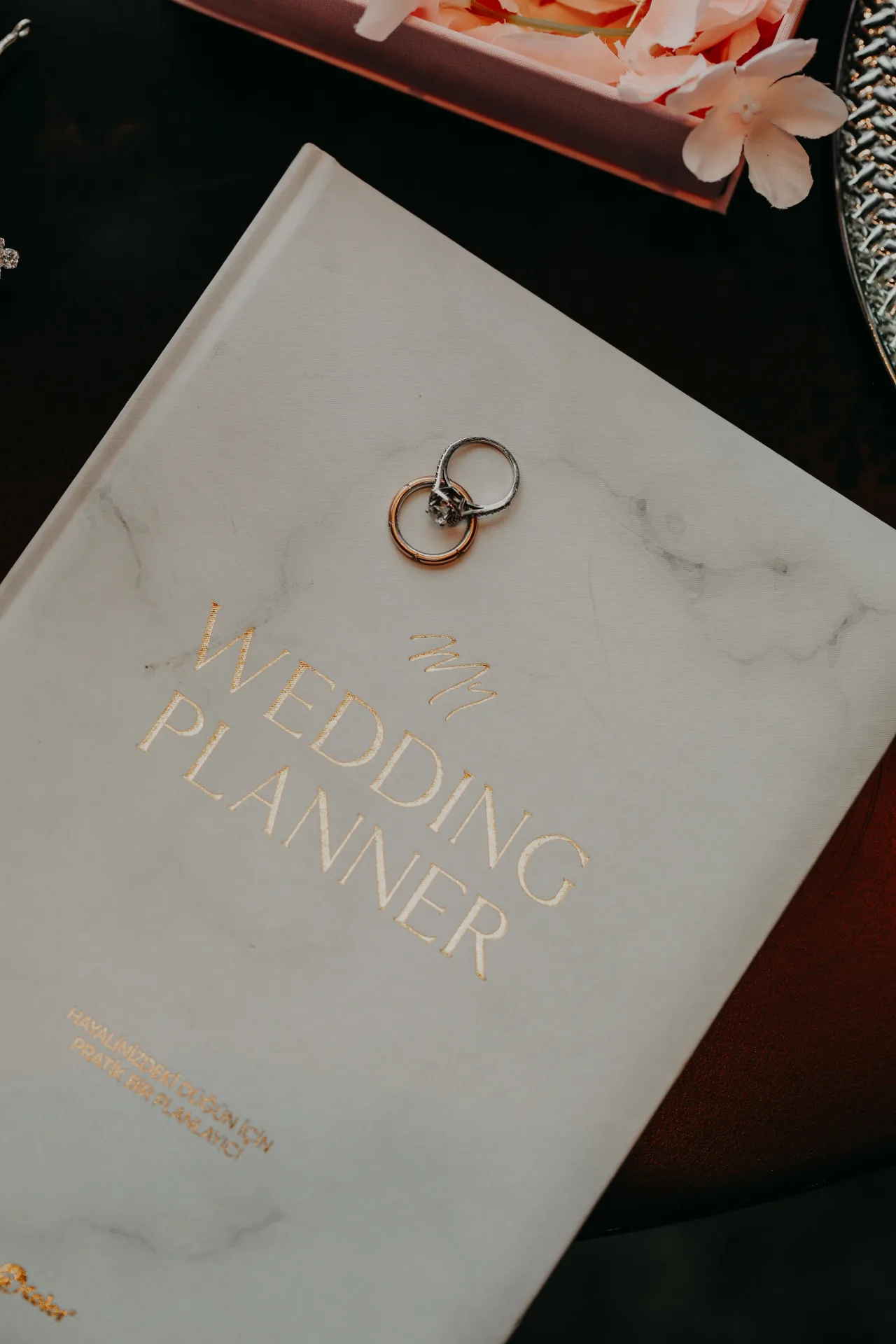
Choosing the right wedding planner can mean the difference between a stress-free celebration and months of miscommunication, missed details, and budget surprises. A skilled planner brings your vision to life while handling logistics you didn't even know existed. A poor match leaves you doing the work anyway, just with someone else's opinions clouding your decisions. Before you sign a contract or hand over a deposit, ask these ten questions to ensure you're hiring someone who truly fits your needs.
What Wedding Planning Services Do You Actually Provide?
Not all wedding planners offer the same level of involvement. Some handle everything from venue scouting to day-of coordination, while others focus exclusively on execution during the final week. Full-service planners typically manage vendor research, contract negotiations, budget tracking, design concepts, timeline creation, and on-site coordination. Partial planning might cover vendor recommendations and monthly check-ins but leave the heavy lifting to you. Day-of coordination means the planner steps in during the final days to execute your existing plan.
Clarify exactly what's included in their standard package and what costs extra. If you need help with your guest list spreadsheet or invitation wording, will they assist, or is that beyond their scope? Understanding these boundaries early prevents frustration when you realize halfway through planning that the services you assumed were included actually aren't.
How Many Weddings Have You Planned, and Do You Have Experience With My Type of Event?
Experience matters, but relevant experience matters more. A planner who has coordinated 50 traditional hotel ballroom weddings might struggle with a rustic barn venue that requires generator rentals, portable restrooms, and weather contingency plans. Ask how many weddings they've completed in total, how many per year they currently take on, and whether they've handled events similar to yours in size, style, location, or cultural traditions.
If you're planning a destination wedding, a multicultural ceremony, or an outdoor celebration in an unconventional space, you need someone who's navigated those specific challenges before. Request references from couples whose weddings resembled what you have in mind, not just their most impressive portfolio pieces.
Can I See Full Examples of Your Work, Not Just Highlight Reels?
Instagram feeds showcase the most photogenic moments, but they don't reveal how smoothly the cocktail hour transitioned to dinner or whether the timeline ran two hours behind schedule. Ask to see complete timelines, floor plans, and vendor contact sheets from past weddings. Request photos from multiple points in the day, not just the styled shots that made it to social media.
This gives you a realistic sense of their organizational style, attention to detail, and ability to coordinate complex moving parts. A planner willing to share these materials demonstrates transparency and confidence in their process.
Who Will Be My Primary Contact, and Will You Be There on the Wedding Day?
Some planning companies operate with a team structure where the person you meet during consultations isn't the one managing your event. Others bring on assistants for the wedding day itself. Find out exactly who will be your main point of contact throughout the planning process, who will be on-site during your wedding, and how many additional staff members they bring for day-of coordination.
If the lead planner won't be present for your ceremony and reception, meet the person who will be. You need to trust and communicate well with whoever is making real-time decisions when something unexpected happens.
How Do You Handle Vendor Relationships and Recommendations?
Most planners maintain relationships with preferred vendors, which can streamline your search and sometimes unlock better availability or pricing. However, you should understand whether these are genuine recommendations based on quality and fit, or whether the planner receives referral fees that might influence their suggestions.
Ask if you're required to use their preferred vendors or if you can bring in your own choices. A good planner should be willing to work with vendors you've selected, even if they haven't collaborated before. Be cautious if they pressure you toward specific companies without explaining why those vendors suit your particular needs and style.
What's Your Communication Style and Availability?
Wedding planning spans months, and communication breakdowns cause most client-planner conflicts. Ask how often you'll have scheduled check-ins, whether they prefer email, phone calls, or text messages, and what their typical response time looks like. Some planners schedule monthly meetings and respond to emails within 24 hours. Others are more hands-off between major milestones.
Neither approach is wrong, but it needs to match your expectations. If you're the type who wants frequent updates and quick answers to questions, hiring someone who batches communication into biweekly calls will leave you frustrated. Clarify their availability during non-business hours as the wedding date approaches, especially if your event falls on a holiday weekend or during their peak season.
How Do You Manage Budgets and Track Expenses?
A planner should help you allocate your budget strategically, track deposits and payments, and flag when you're approaching your limit in any category. Ask what tools they use for budget management, whether you'll have access to a shared spreadsheet or software, and how they handle cost overruns or unexpected expenses.
Find out if their fee is a flat rate, an hourly charge, or a percentage of your overall wedding budget. Percentage-based fees can create a conflict of interest where higher spending benefits the planner financially. Understand exactly when payments are due and what happens if you need to reduce services or cancel altogether.
What Happens If Something Goes Wrong on the Wedding Day?
No one wants to imagine disasters, but a planner's value shows most clearly when problems arise. Ask for specific examples of how they've handled vendor no-shows, weather emergencies, family conflicts, or timeline disruptions at past weddings. Their answers reveal their problem-solving skills, resourcefulness, and ability to stay calm under pressure.
Discuss their contingency plans for common issues: backup vendors they can call if someone cancels last-minute, alternative timeline options if weather forces you indoors, or strategies for managing difficult family dynamics. A planner who has actually dealt with these situations will give you concrete, confident answers rather than vague reassurances.
Can You Provide References From Recent Clients?
Reviews and testimonials offer valuable insight, but direct conversations with former clients tell you even more. Request contact information for two or three couples who worked with this planner within the past year. Ask those references about communication responsiveness, how the planner handled stress, whether the final cost matched initial estimates, and if they would hire this person again.
Pay attention to how the planner responds to this request. Hesitation or deflection might indicate dissatisfied clients or a lack of recent experience. Established planners should have multiple happy couples willing to share their experiences.
What Does Your Contract Include, and What Are the Cancellation Terms?
Before you sign anything, read the entire contract carefully. It should specify exactly which services are included, the payment schedule, cancellation and refund policies, and what happens if either party needs to terminate the agreement. Look for clauses about overtime charges if your event runs long, travel fees if your venue is outside their normal service area, and who owns the planning materials and timelines after the wedding.
Understand the cancellation terms on both sides. Life circumstances change, and you need to know whether you'll forfeit your entire deposit if you postpone, how much notice you must provide, and whether the planner can cancel on you if they receive a more lucrative offer. These details might seem pessimistic to discuss when you're excited about planning, but they protect you if things don't go as expected.
Find Your Perfect Wedding Planner Match
The right wedding planner should feel like a collaborative partner who understands your vision, respects your budget, and brings expertise you don't have. They should answer these questions with specifics, not evasion, and make you feel confident rather than pressured. Trust your instincts alongside the practical answers—you'll be working closely with this person during an emotionally significant time, and the relationship matters as much as their credentials.
Ready to connect with experienced wedding planners in your area? Post your wedding planning needs on RippleQuest and get matched with qualified professionals who can bring your celebration to life. Describe your vision, timeline, and budget, and let the right planners come to you.