
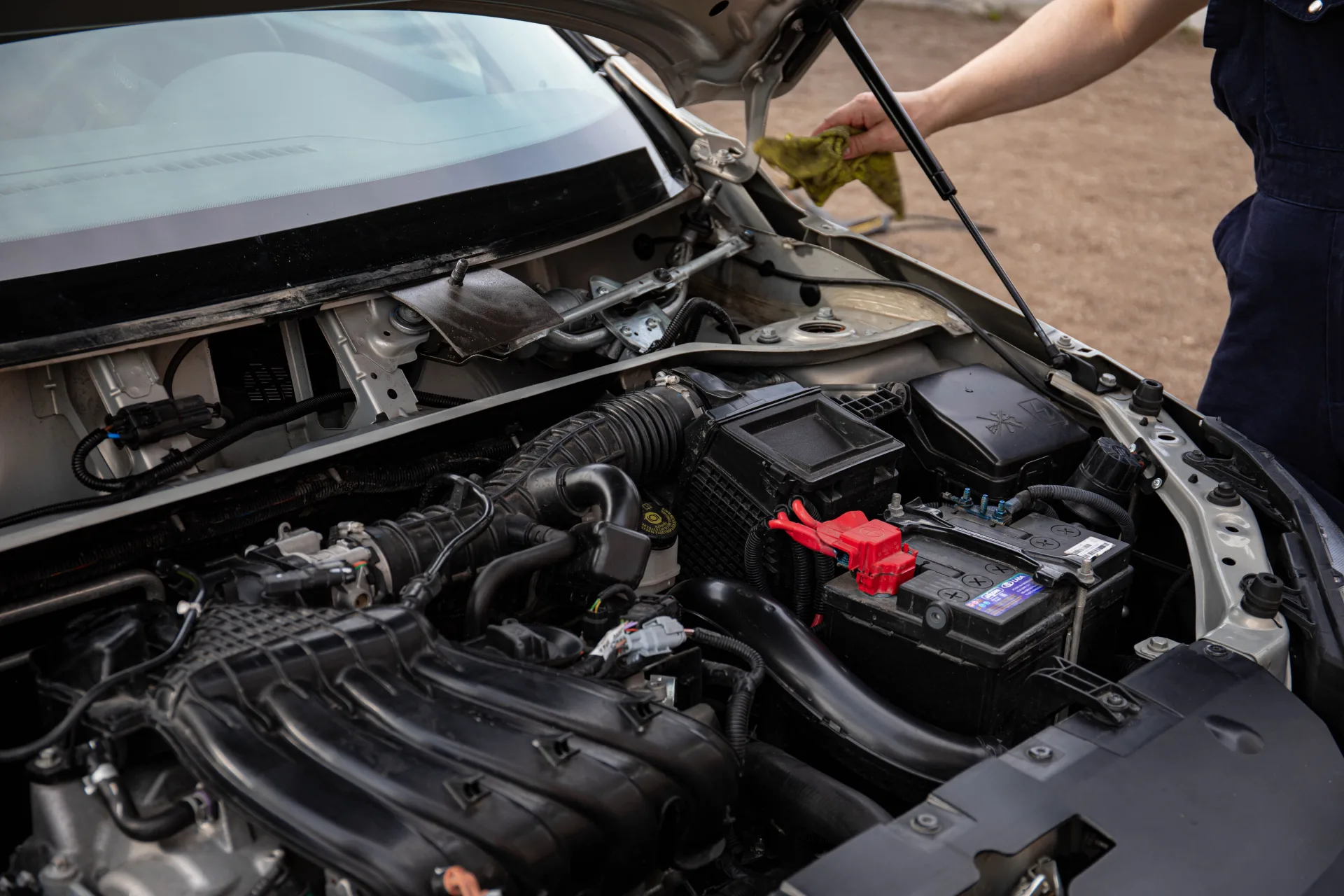
Finding a trustworthy auto mechanic can feel like searching for a needle in a haystack. Your vehicle represents a significant investment, and the wrong repair shop can turn a simple fix into a financial nightmare. While plenty of skilled, honest mechanics operate excellent shops, knowing which warning signs to watch for will help you avoid the bad actors who give the industry a poor reputation.
They Can't or Won't Show You Certifications
A legitimate auto repair shop employs technicians with verifiable credentials. ASE (Automotive Service Excellence) certification remains the gold standard in the industry, requiring technicians to pass rigorous exams and maintain continuing education. When you visit a shop, certifications should be displayed prominently, not hidden away. If you ask about qualifications and get vague answers or defensiveness, that's your first signal to walk away. Certified technicians take pride in their credentials because they've earned them through actual competency testing, not just years of showing up to work.
Beyond ASE certification, look for manufacturer-specific training certificates if you drive a particular brand. Mechanics who specialize in European imports, for example, often pursue BMW, Mercedes, or Volkswagen certifications that demonstrate expertise with those complex systems. The absence of any visible credentials doesn't automatically mean incompetence, but it does mean you're taking an unnecessary risk when certified alternatives exist.
They Refuse to Provide Written Estimates
Any mechanic who starts work without giving you a detailed, written estimate is operating with your money but without your informed consent. Reputable shops provide itemized estimates that break down parts costs separately from labor, list the specific repairs needed, and give you a total before touching your vehicle. This protects both parties: you know what you're agreeing to pay, and they have documentation of what you approved.
Be especially wary of shops that pressure you to authorize work immediately without time to review the estimate or get a second opinion. Major repairs can run into thousands of dollars, and you deserve the opportunity to understand what's being recommended and why. A shop confident in its diagnosis and pricing won't rush you or make you feel guilty for wanting to think it over.
The Shop Looks Chaotic or Filthy
Some dirt and grease come with the territory in auto repair, but there's a difference between a working shop and a disorganized mess. Tools scattered everywhere, parts piled haphazardly, oil stains covering every surface, and a general sense of chaos suggest poor management and lack of professional standards. Modern vehicles contain sensitive electronic components and require clean workspaces to prevent contamination during repairs.
Pay attention to how customer vehicles are treated too. Are they parked carefully or crammed together where they might get dinged? Does the waiting area look maintained, or is it filled with old coffee cups and outdated magazines from five years ago? These details reveal how much the business cares about professionalism. The shop doesn't need to look like a showroom, but basic organization and cleanliness demonstrate respect for the work and for customers.
They Push Unnecessary Services Aggressively
You came in for an oil change, and suddenly they're insisting you need a transmission flush, new air filters, fuel system cleaning, and brake work totaling fifteen hundred dollars. While it's true that inspections sometimes uncover needed repairs, a trustworthy mechanic explains what's truly urgent versus what can wait. They'll show you the worn brake pads or the leaking fluid rather than just telling you about it.
The hard-sell approach, where everything is presented as critical and must be done today, often indicates a shop more interested in maximizing the ticket than maintaining your vehicle properly. Ask specific questions: How much tread is left on the brakes? Can you show me the dirty air filter? What happens if I wait three months on this repair? A good mechanic answers these questions patiently and helps you prioritize based on safety and your budget, not their sales targets.
Online Reviews Reveal Consistent Problems
Every business gets an occasional negative review from someone having a bad day, but patterns matter. When you see multiple recent reviews mentioning the same issues—overcharging, work that wasn't done despite being billed, return visits for the same problem, rude treatment, or surprise fees—those patterns tell you something real about how the shop operates.
Look beyond the star rating to read what people actually experienced. Did the shop respond professionally to complaints and try to make things right? Or do they argue with customers and blame them in the replies? How a business handles criticism reveals more about its character than the glowing five-star reviews, which might be from friends or incentivized customers. If you spot recurring themes about dishonesty or incompetence, believe what you're reading and find another option.
They Won't Let You See Your Old Parts
When a mechanic tells you they replaced your alternator, serpentine belt, or catalytic converter, you have every right to see the parts they removed. Honest shops expect this request and often show customers the failed components to explain what went wrong. This builds trust and helps you understand your vehicle better.
A shop that refuses to show you old parts, claims they've already been disposed of, or gets defensive about the request may not have replaced anything at all. This scam, where shops charge for parts and labor they never performed, happens more often than most people realize. Some mechanics will even show you parts from another vehicle to justify the charges. If you're told the part is still under your hood somewhere but you can't see it, or if they have a convenient excuse every time, take your business elsewhere immediately.
Communication Is Poor or Non-Existent
You dropped your car off Tuesday morning for a diagnostic, and it's now Thursday afternoon with no call, no update, and no one answering when you reach out. Poor communication isn't just frustrating—it's a sign of a shop that doesn't respect your time or treat customers as priorities. Reliable mechanics keep you informed about what they find, how long repairs will take, and if costs might exceed the estimate.
This red flag also includes mechanics who use technical jargon to confuse rather than educate, who talk down to you, or who seem annoyed by your questions. You're paying for expertise, but that doesn't mean you forfeit the right to understand what's happening with your own vehicle. A mechanic who can't or won't explain repairs in plain language either doesn't understand them well enough themselves or is hoping confusion will prevent you from questioning the bill.
Find a Mechanic You Can Trust
Your vehicle's health depends on finding a skilled, honest mechanic who treats your car—and your wallet—with respect. If you're tired of dealing with shops that display any of these red flags, or if you simply need to find qualified auto repair professionals in your area, RippleQuest can help. Post what you need, and get matched with real mechanics and auto repair businesses near you. It takes the guesswork out of finding someone qualified to work on your car, truck, or motorcycle, so you can focus on getting back on the road safely.