
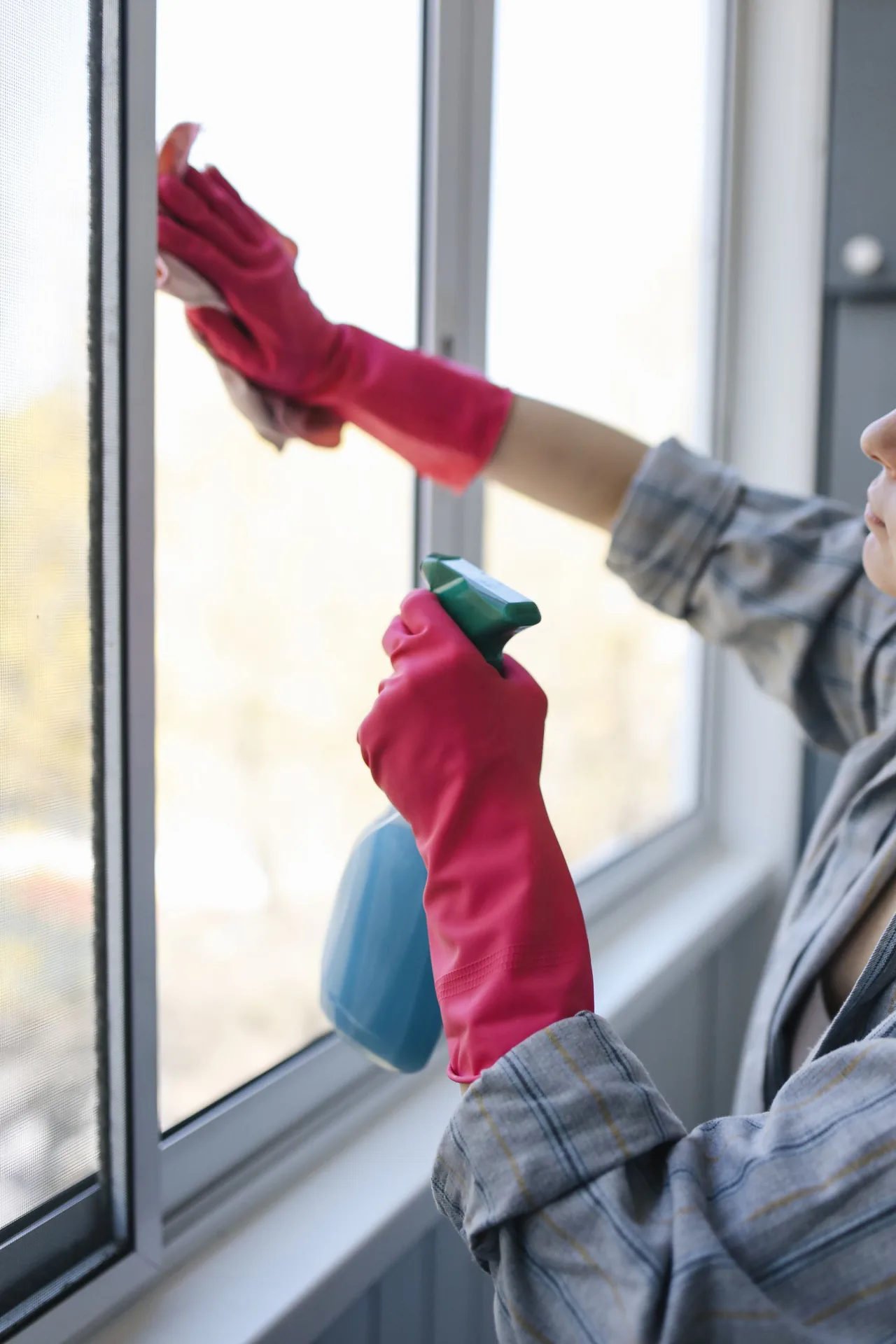
Deep cleaning costs typically range from $200 to $600 for most homes, though prices can climb higher for larger properties or spaces that haven't been thoroughly cleaned in years. Unlike routine maintenance cleaning that focuses on visible surfaces, a deep clean tackles built-up grime in overlooked areas—baseboards, ceiling fans, inside appliances, grout lines, and behind furniture. Understanding what drives the price helps you budget accurately and avoid sticker shock when quotes arrive.
What Affects Deep Cleaning Costs
Square footage is the primary pricing factor most cleaning companies use. A 1,000-square-foot apartment will cost significantly less than a 3,000-square-foot house simply because there's more surface area to scrub. Many cleaners charge between $0.10 and $0.30 per square foot for deep cleaning, though hourly rates of $25 to $50 per cleaner are also common, with deep cleans often requiring two to four cleaners working for three to six hours.
The condition of your home matters as much as its size. A home that receives regular maintenance cleaning every two weeks will cost less to deep clean than one that hasn't seen professional attention in months. Heavy buildup on kitchen surfaces, bathroom grout that's turned gray, or carpets with ground-in dirt require extra time and specialized products. Be honest with cleaners about your home's condition when requesting quotes—they'll find out anyway, and lowballing the situation can lead to incomplete work or surprise charges.
Location plays a role too. Urban areas with higher costs of living generally see higher cleaning rates. A deep clean in San Francisco or New York will cost more than the same service in a smaller Midwestern city. Accessibility also matters: homes with multiple stories, hard-to-reach windows, or limited parking may incur additional fees.
What's Included in a Deep Clean
Standard deep cleaning should cover everything in a regular clean plus intensive attention to areas that don't get weekly treatment. In kitchens, this means cleaning inside the oven, refrigerator, and microwave, scrubbing cabinet fronts, degreasing range hoods, and wiping down backsplashes tile by tile. Bathrooms get grout scrubbing, mineral deposit removal from fixtures, thorough cleaning behind toilets, and attention to exhaust fans.
Throughout the house, expect baseboard wiping, light fixture cleaning, ceiling fan blade scrubbing, window sill and track cleaning, and door frame wiping. Many services include interior window washing, though exterior windows often cost extra. Detailed vacuuming should include moving furniture to reach underneath and cleaning along edges where dust accumulates.
Some tasks fall into a gray area. Carpet shampooing, upholstery cleaning, wall washing, and exterior window cleaning may or may not be included depending on the company. Always ask for a detailed scope of work in writing before the service begins. A reputable cleaner will provide a checklist showing exactly what they'll tackle.
Pricing Structures and Add-Ons
Most cleaning companies use either flat-rate pricing based on home size and number of bathrooms, or hourly rates with a minimum number of hours. Flat rates offer predictability—you know the total cost upfront. Hourly rates can work in your favor if your home is in better condition than average, but they risk running over budget if cleaners encounter unexpected challenges.
Common add-ons that increase the base price include interior window cleaning (often $3 to $7 per window), refrigerator deep cleaning ($25 to $50), oven cleaning ($25 to $75), and cleaning inside cabinets ($50 to $100). Move-out or move-in deep cleans typically cost 20 to 30 percent more than standard deep cleans because they're held to a higher standard and often include tasks like cleaning inside all cabinets and closets.
Ask whether cleaning supplies and equipment are included in the quoted price. Most professional services bring their own products and tools, but some charge separately for supplies or offer discounts if you provide them. If you have preferences for eco-friendly or hypoallergenic products, mention this upfront—green cleaning products may add 5 to 10 percent to the total cost.
Questions to Ask Before Hiring
Beyond price, you need clarity on logistics and expectations. Ask whether the company is insured and bonded. Insurance protects you if a cleaner is injured in your home or if something gets damaged during the service. Bonding provides recourse if theft occurs, though it's rare with established companies.
Find out how many cleaners will come and how long they estimate the job will take. A lone cleaner might quote a lower hourly rate but take eight hours to finish what a team of three could complete in three. The total cost may end up similar, but your disruption time differs significantly.
Clarify payment terms and cancellation policies. Some companies require a deposit for first-time deep cleans. Others charge cancellation fees if you reschedule with less than 24 or 48 hours' notice. Understanding these terms prevents frustration later.
Ask what happens if you're not satisfied with the results. Professional cleaning services should offer a satisfaction guarantee where they'll return to address any missed areas or concerns within a reasonable timeframe, usually 24 hours after the service.
Red Flags and How to Avoid Overpriced Services
Be wary of quotes that seem too good to be true. A deep clean quoted at $75 for a three-bedroom house likely means corners will be cut, inexperienced cleaners will show up, or the company will tack on fees once they arrive. Rock-bottom pricing often correlates with lack of insurance, poor training, or bait-and-switch tactics.
On the flip side, the most expensive service isn't always the best. Some companies charge premium rates based on branding rather than superior results. The sweet spot usually falls in the middle range of quotes you receive. Getting three to five estimates gives you a realistic sense of the market rate in your area.
Watch for companies that won't provide written estimates or detailed service lists. Vague promises of a "thorough cleaning" without specifics about what's included leave too much room for disappointment. Professional cleaners should be happy to walk you through their process and checklist.
Check reviews carefully, focusing on recent feedback rather than just the overall star rating. Look for patterns in complaints—occasional issues happen with any service, but repeated mentions of no-shows, incomplete work, or damage suggest deeper problems.
Getting the Best Value for Your Deep Clean
Timing your deep clean strategically can save money. Some cleaning companies offer discounts for booking during slower periods, typically mid-week or mid-month. January and February often see lower demand than spring or fall, which might translate to better rates or more scheduling flexibility.
Consider bundling services if you're planning both a deep clean and ongoing maintenance. Many companies discount the initial deep clean price if you commit to regular bi-weekly or monthly service afterward. Even if you only want occasional cleaning, asking about bundle pricing doesn't hurt.
Preparing your home before cleaners arrive maximizes the value of their time. Pick up clutter, put away personal items, and clear surfaces so cleaners can focus on actual cleaning rather than organizing. You're paying for their labor either way—make sure it goes toward scrubbing and sanitizing, not tidying.
Ready to find professional house cleaners who can give you accurate quotes for your specific home? Post your deep cleaning needs on RippleQuest and get matched with experienced, qualified cleaning services in your area. Describe your home size, current condition, and any specific concerns, and let local professionals come to you with detailed proposals tailored to what you actually need.