
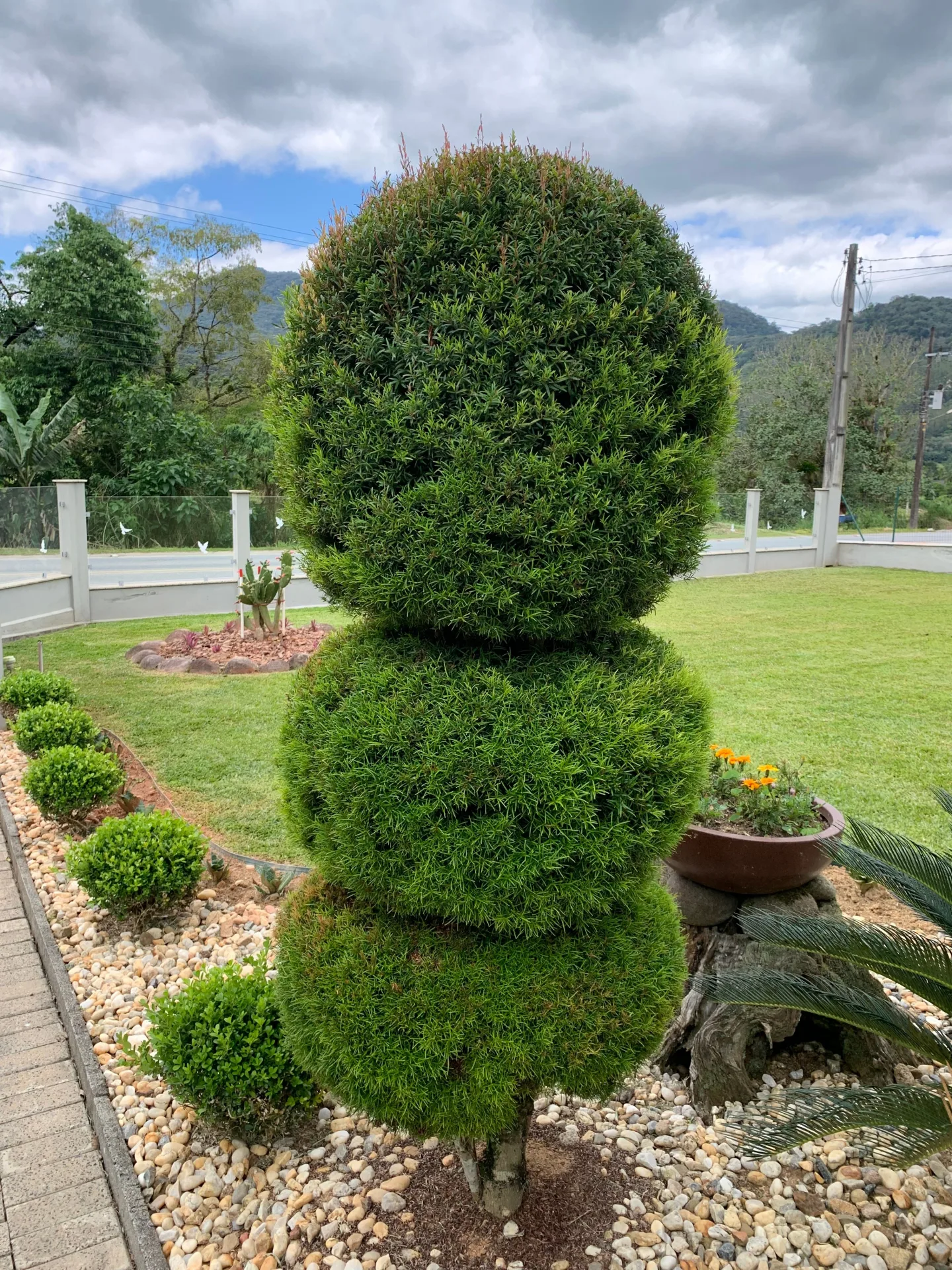
Landscaping transforms outdoor spaces, but the cost range can feel overwhelming when you're trying to budget for your project. A simple lawn mowing service might run you a few dozen dollars per visit, while a complete backyard redesign with hardscaping and plantings can climb into five figures. Understanding what drives these differences helps you plan realistically and know when a quote makes sense.
The price you'll pay depends heavily on which type of landscaping work you need. Breaking down costs by project category gives you a clearer picture of where your money goes and what to expect when you start gathering estimates.
Lawn Care and Maintenance
Regular lawn maintenance represents the most affordable tier of landscaping services. Mowing, edging, and blowing typically costs between $30 and $80 per visit for an average residential lot, with frequency and yard size being the primary variables. Larger properties or those requiring additional trimming and cleanup will land on the higher end.
Seasonal services add to the baseline. Aeration runs $75 to $200 depending on lawn size, while fertilization programs cost $300 to $600 annually for four applications. Mulching beds costs $40 to $100 per cubic yard of mulch installed, and many landscapers quote this by square footage of bed coverage at $50 to $150 per area.
Ask potential providers whether they charge per visit or offer monthly contracts, which often reduce the per-service cost. Also clarify what happens if weather prevents a scheduled visit—some companies skip billing for that cycle, while others reschedule within the same billing period.
Landscape Design and Installation
Design fees vary based on whether you're working with a landscape architect, a designer, or a design-build firm. Standalone design plans range from $300 for a basic sketch to $3,000 or more for detailed architectural drawings with grading plans and plant specifications. Many landscapers include basic design consultations free when you commit to installation, though complex projects still benefit from formal plans.
Installation costs climb quickly because they involve labor, materials, equipment, and often site preparation. Planting a new garden bed with soil amendment, plants, and mulch runs $800 to $3,000 for a 200-square-foot area, depending on plant maturity and variety. Mature trees cost $150 to $1,500 each installed, while shrubs range from $25 to $150 depending on size and species.
Sod installation costs $1 to $2 per square foot including materials and labor, so covering a 2,000-square-foot lawn runs $2,000 to $4,000. Seeding costs less upfront at $0.10 to $0.25 per square foot but requires more time and care to establish, making it better for larger areas where budget is tight and time isn't.
Hardscaping Projects
Hardscaping creates the permanent structures in your landscape and represents the most expensive category per square foot. Patios built with pavers cost $15 to $30 per square foot installed, meaning a 300-square-foot patio runs $4,500 to $9,000. Stamped concrete comes in slightly lower at $12 to $20 per square foot, while natural flagstone pushes $20 to $40 per square foot.
Retaining walls cost $25 to $50 per square foot of wall face for standard block systems, with natural stone doubling that range. A small decorative wall might cost $1,500, while a terraced system addressing significant grading issues can reach $15,000 or more. The engineering requirements matter here—walls over four feet tall often require permits and engineered plans, adding to the cost.
Walkways and driveways follow similar per-square-foot pricing to patios but involve additional base preparation. Expect $10 to $25 per square foot for most residential walkways. Outdoor kitchens, fire pits, and water features operate on custom pricing—basic fire pits start around $1,500 installed, while elaborate outdoor living spaces with kitchens and pergolas can exceed $30,000.
Get itemized quotes that separate materials from labor. This transparency helps you spot whether a bid is high on markup or reflects quality material choices. Also ask about base preparation depth and compaction methods, since shortcuts here cause settling and cracking within a few years.
Specialty Services and Major Renovations
Irrigation system installation costs $2,500 to $5,000 for an average residential property with six to eight zones. Smart controllers and drip systems for gardens add to the base price but reduce long-term water costs. Many landscapers recommend installing irrigation during a larger renovation since trenching is already happening.
Drainage solutions address water problems and range widely in scope. Simple French drains cost $1,500 to $4,000 depending on length, while comprehensive yard regrading to redirect water flow can reach $3,000 to $10,000. If you're seeing standing water or basement seepage, addressing drainage often becomes the foundation for any other landscaping investment.
Full property makeovers bundle multiple services and typically cost $15,000 to $50,000 for complete front and back yard transformations on average residential lots. These projects include design, removal of old landscaping, grading, hardscaping, planting, irrigation, and often lighting. The broad range reflects property size, material choices, and complexity of features.
What Affects Your Final Landscaping Cost
Material selection creates the widest cost swings within each project type. Choosing pavers over stamped concrete, or selecting mature specimen plants instead of younger stock, can double your material expenses. Discuss alternatives with your landscaper to understand where flexibility exists without compromising the design vision.
Site conditions add labor hours and equipment needs. Sloped properties, poor soil requiring amendment, difficult access for equipment, or removal of existing hardscaping all increase costs. The best landscapers walk your property during the estimate to identify these factors rather than surprise you later with change orders.
Timing affects availability and sometimes pricing. Spring and fall are peak seasons when crews are booked solid, while late summer or winter might offer more flexibility for scheduling larger projects. Some landscapers offer modest discounts for off-season work, though weather limitations apply to certain installations.
Questions to Ask Before Hiring
Request a detailed written estimate that breaks down labor, materials, equipment, and any subcontracted work like electrical for lighting. Lump-sum quotes make it impossible to evaluate whether you're paying fairly or identify where to adjust scope if the number is too high.
Ask about the warranty or guarantee on both plants and hardscaping work. Reputable landscapers typically guarantee plants for at least one growing season and stand behind hardscaping against settling or defects for a year or more. Clarify what triggers the warranty and what maintenance you're responsible for to keep it valid.
Find out who will be on site doing the actual work. Some companies subcontract installations, which isn't inherently bad but means the estimator you trust may not be supervising your job. Understanding the crew structure and checking that they're properly insured protects you if someone is injured on your property.
Verify licensing where required—some states and municipalities require landscape contractor licenses, particularly for hardscaping and irrigation work. Also confirm they pull necessary permits for retaining walls, grading changes, or electrical work. Skipping permits saves money upfront but creates liability and resale complications later.
Get Matched with Local Landscaping Professionals
Pricing varies significantly by region, property characteristics, and the scope you envision. The best way to understand what your specific project will cost is to connect with experienced landscapers who know your local market and can evaluate your property directly.
RippleQuest makes it simple to describe your landscaping project and get matched with qualified professionals near you. Whether you need weekly maintenance, a new patio, or a complete yard transformation, post your project on RippleQuest and let local landscapers who are ready to work provide you with detailed estimates. You'll get real quotes for your actual project, not generic ranges, so you can make the right choice for your outdoor space.