
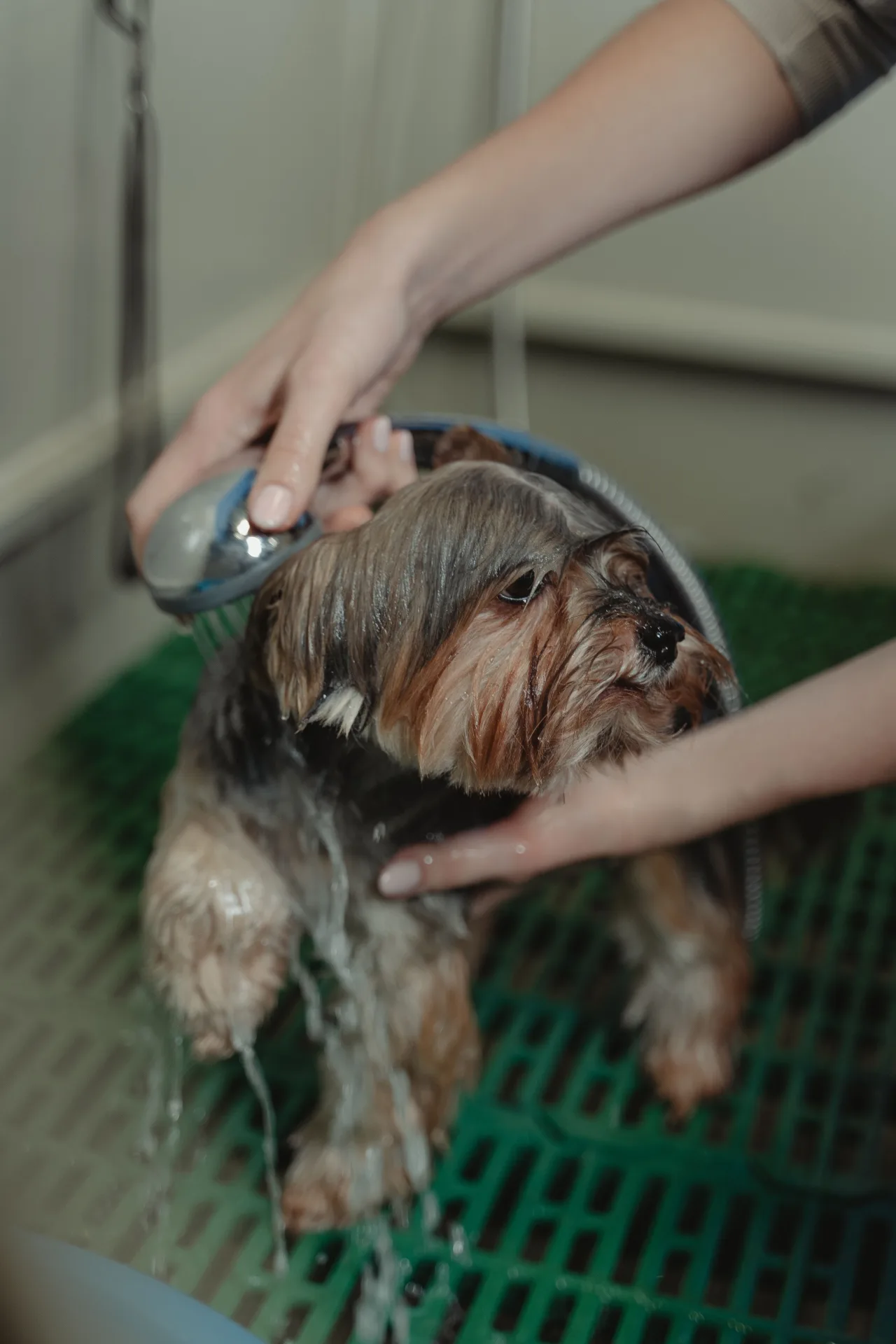
Ask these 10 essential questions before choosing a pet groomer to ensure your dog receives safe, professional care tailored to their needs.
Choosing the right groomer for your dog goes well beyond finding someone who can trim nails and give a bath. Your dog's comfort, safety, and overall well-being depend on the groomer's skill, temperament, and facility standards. A poor grooming experience can leave your pet stressed or even injured, while the right professional becomes a trusted partner in your dog's health routine. Before you book that first appointment, arm yourself with the right questions to separate experienced, caring groomers from those who might cut corners.
What Is Your Experience Grooming My Dog's Breed?
Breed-specific grooming requirements vary dramatically. A Poodle needs entirely different techniques and tools than a Golden Retriever or a Shih Tzu. Groomers who regularly work with your dog's breed understand coat texture, proper trimming patterns, and common skin sensitivities. They know whether your breed requires hand-stripping instead of clipping, how to manage double coats during shedding season, and which styles suit the breed standard if that matters to you. Ask how many dogs of your breed they groom monthly and whether they've received any specialized training for that coat type.
Can I Tour Your Facility Before Booking?
A reputable groomer should welcome you to see where your dog will spend several hours. During your visit, check for cleanliness in the grooming area, proper ventilation, secure crating or holding areas, and how tools are sanitized between dogs. Watch how staff interact with the animals currently there. The space should feel calm rather than chaotic, and you shouldn't see dogs left unattended on grooming tables or in unsafe positions. Groomers who refuse facility tours or seem defensive about the request are raising an immediate red flag.
How Do You Handle Anxious or Difficult Dogs?
Even the calmest dog can become nervous in a new environment surrounded by unfamiliar sounds and smells. The groomer's answer reveals their patience level and training philosophy. Look for responses that emphasize positive reinforcement, gradual desensitization, and breaks when needed. Be wary of groomers who immediately suggest sedation for anxious dogs or who describe using force or harsh corrections. Ask specifically about their policy if your dog becomes too stressed to continue. Professional groomers recognize when to pause a session and recommend behavior conditioning before attempting the full grooming process.
What Products Do You Use, and Can I Provide My Own?
Shampoos, conditioners, and finishing sprays directly contact your dog's skin and coat. Quality groomers use professional-grade products formulated for dogs, not human products or cheap alternatives that can cause irritation. If your dog has allergies, sensitive skin, or requires medicated shampoo prescribed by your vet, find out whether the groomer will accommodate your products. Many professionals gladly use owner-provided items when there's a medical reason, though some charge a small fee if you're simply being particular about brands without a health justification.
Are You Trained in Pet First Aid and CPR?
Grooming involves water, heat from dryers, and physical handling that can occasionally trigger health emergencies, especially in older dogs or brachycephalic breeds prone to breathing difficulties. Groomers certified in pet first aid and CPR can respond appropriately if your dog overheats, has a seizure, or experiences an injury. This certification demonstrates the groomer takes safety seriously and has invested in proper emergency training. Ask where the nearest emergency veterinary clinic is located and whether they have an established protocol for urgent situations.
How Long Will My Dog Be at Your Facility?
Some groomers work by appointment, completing your dog's full grooming from start to finish in one continuous session, typically lasting two to four hours depending on breed and services. Others operate more like a drop-off service where dogs may spend six to eight hours in the facility, waiting between different stages of grooming. Extended stays aren't necessarily problematic if dogs have comfortable rest areas and bathroom breaks, but you should know what to expect. Extremely long stays in crates between grooming stages can increase stress, particularly for anxious dogs.
What Is Your Policy on Cage Dryers?
Cage dryers, which blow warm air into a crate to dry dogs, are common in grooming facilities but can be dangerous when used improperly. Dogs have died from overheating when left unattended under cage dryers or when heat settings were too high. Ask whether the groomer uses cage dryers, how they monitor temperature, and whether dogs are ever left alone while drying. The safest groomers either hand-dry dogs with a handheld dryer while staying with the animal, or use cage dryers only on cool settings with frequent check-ins and never leave dogs unattended.
What Happens If You Discover a Health Issue?
Groomers often spot lumps, skin infections, ear problems, dental issues, or parasites that owners miss during regular handling at home. Find out whether the groomer will alert you to these findings and how they document what they observe. Professional groomers take notes and photos of concerning issues and recommend veterinary follow-up without overstepping into diagnosing conditions. This question also reveals whether the groomer pays close attention during the grooming process or rushes through without really examining each dog.
Do You Require Proof of Vaccinations?
Groomers who ask for current vaccination records protect all the dogs in their care from contagious diseases like rabies, distemper, parvovirus, and bordetella (kennel cough). A groomer who doesn't require proof of vaccinations is potentially exposing your dog to sick animals and shows a lack of professional standards. Come prepared with your dog's veterinary records showing rabies, DHPP, and ideally bordetella vaccinations are current. Some groomers also require dogs to be on flea and tick prevention, particularly during warmer months.
What Services Are Included in a Standard Grooming, and What Costs Extra?
Grooming packages vary widely. Some groomers include nail trimming, ear cleaning, and anal gland expression in their standard bath and haircut, while others charge separately for each service. Clarify exactly what you're getting before you agree to the appointment. Ask about additional fees for matted coats, difficult behavior, flea baths, or specialty trims. Understanding the complete cost structure upfront prevents surprise charges and helps you compare options fairly. Request a detailed price list and don't hesitate to ask for an estimate based on your dog's specific needs.
Finding the Right Groomer for Your Dog
The groomer you choose becomes part of your dog's regular care team, often seeing your pet monthly or every few weeks. Taking time to ask these questions helps you find someone skilled, compassionate, and transparent about their practices. Trust your instincts during the conversation. A groomer who rushes through your concerns, becomes defensive about reasonable questions, or pressures you to book immediately probably isn't the right fit. The best professionals welcome your questions because they're confident in their standards and genuinely care about earning your trust.
Ready to find qualified pet groomers in your area who meet your standards? Post your request on RippleQuest with details about your dog's breed, temperament, and grooming needs. You'll get matched with local professionals who can answer these essential questions and provide the quality care your dog deserves.