
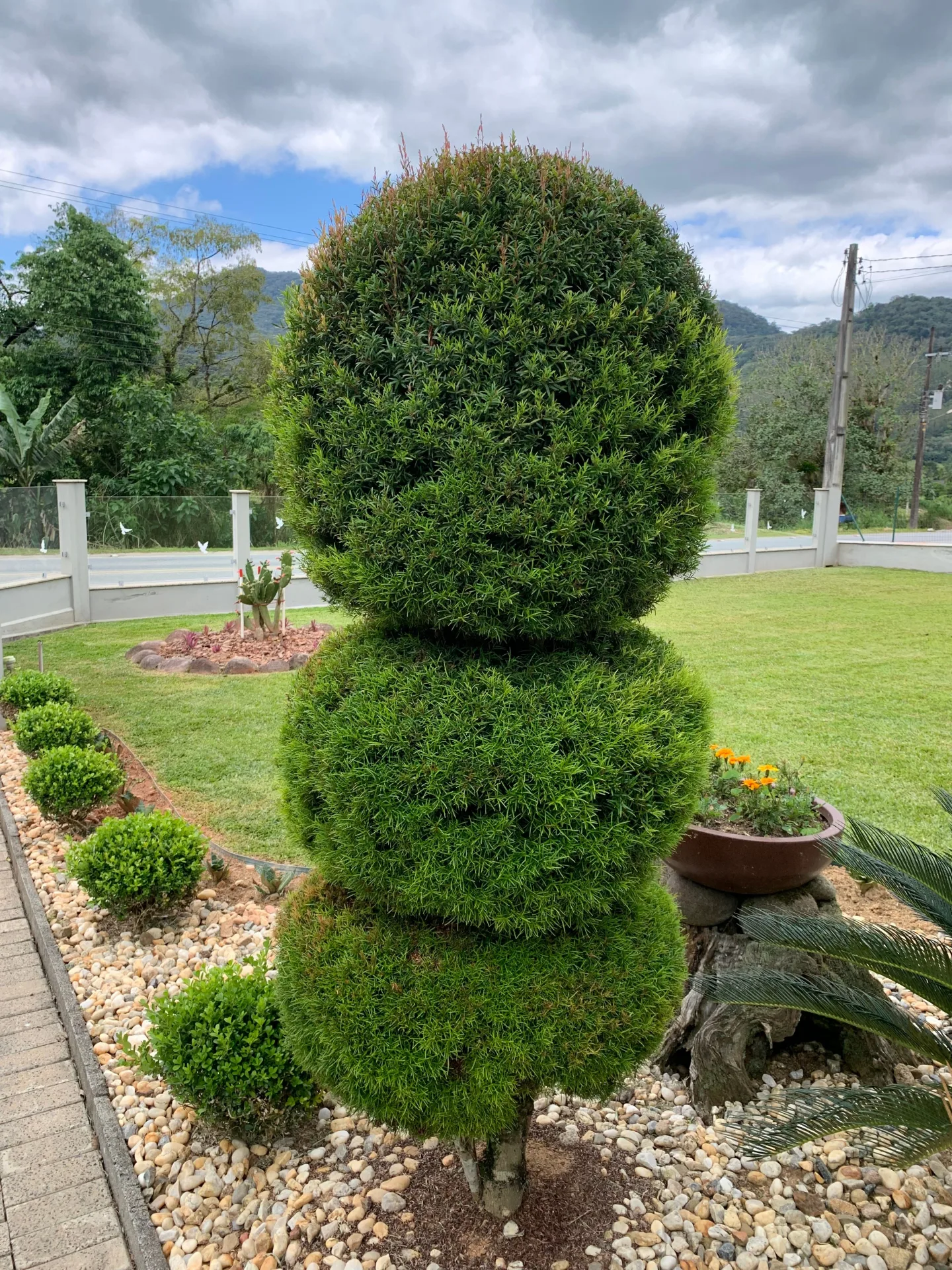
Ask the right questions to find a qualified landscaper who understands your vision, budget, and timeline for transforming your outdoor space.
A poorly chosen landscaper can leave you with patchy sod, misplaced trees that block your windows, or a drainage nightmare every time it rains. The right professional transforms your yard into a functional, beautiful space that adds real value to your property. Before you sign a contract or hand over a deposit, these ten questions will help you separate experienced pros from those who might leave you with expensive problems.
Are You Licensed, Insured, and Bonded?
Start here. A legitimate landscaper should carry general liability insurance to cover property damage and workers' compensation for their crew. Licensing requirements vary by state and the scope of work—some regions require specific credentials for pesticide application, irrigation installation, or hardscaping. Ask to see proof of insurance and verify the policy is current. If a worker gets injured on your property or a backhoe damages your neighbor's fence, proper coverage protects you from liability. Bonding offers additional financial protection if the contractor fails to complete the job or doesn't pay subcontractors.
Can You Provide References from Recent Similar Projects?
Ask for at least three references from projects completed within the past year, ideally ones similar in scope to yours. A landscaper who specializes in commercial properties might not be the best fit for a residential backyard renovation. When you contact references, ask specific questions: Did the crew show up on time? Did the project stay within budget? How did they handle unexpected issues like poor soil conditions or drainage problems? Drive by completed projects if possible. Photos can be edited or cherry-picked, but seeing a yard two years after installation shows how well plants have established and whether hardscaping has settled properly.
What Does Your Design Process Look Like?
Some landscapers offer full design services with detailed renderings and plant schedules. Others work from rough sketches or simply execute your ideas. Clarify what's included. Will you receive a scaled drawing showing plant placement, hardscape dimensions, and grading plans? How many revision rounds are standard? A thorough design process should include a site analysis addressing sun exposure, soil conditions, drainage patterns, and existing features you want to preserve. If you're planning a major project, ask whether they work with landscape architects or designers for complex grading, retaining walls, or outdoor structures.
How Do You Handle Soil Preparation and Drainage?
This question reveals whether you're talking to someone who understands the fundamentals. Pretty plants die in compacted, nutrient-poor soil. Water pooling near your foundation causes structural damage. A qualified landscaper should assess your soil type, test pH if needed, and recommend amendments. They should identify drainage issues and propose solutions—French drains, grading adjustments, rain gardens, or dry creek beds. Be wary of anyone who brushes off drainage concerns or promises to "just add some topsoil." Proper site preparation costs more upfront but prevents costly failures down the line.
What's the Timeline from Start to Finish?
Get specific dates, not vague estimates. When can they start? How long will the project take, accounting for weather delays? Landscaping is seasonal—spring and fall are peak times, and popular contractors book months ahead. If you need work completed before a specific event, make that clear upfront. Ask how many other projects they'll be juggling simultaneously. A crew that shows up for two hours, disappears for a week, then returns creates frustration and can stress newly planted materials. A realistic timeline with defined phases helps you plan and holds the contractor accountable.
Who Will Actually Be Doing the Work?
The person who gives you the estimate might not be the person operating the excavator in your yard. Ask whether the owner will be on-site, how experienced the crew is, and whether they use subcontractors for specialized tasks like irrigation or lighting. Subcontractors aren't necessarily a problem, but you should know who's responsible if something goes wrong. Find out whether the same crew will handle the entire project or if different teams rotate through. Consistency matters, especially for projects requiring attention to detail like paver patterns or plant arrangement.
What Specific Materials and Plant Varieties Do You Recommend?
A knowledgeable landscaper should recommend plants suited to your climate zone, sun exposure, soil type, and maintenance preferences. If you say you travel frequently and want low-water plants, they shouldn't propose a garden full of hydrangeas. Ask about plant sizes—larger specimens cost more but provide instant impact, while smaller plants take years to fill in. For hardscaping, discuss material options and trade-offs. Natural stone costs more than pavers but ages differently. Permeable surfaces help with drainage but require different base preparation. Specific recommendations reveal expertise and help you understand cost differences.
What Does Your Warranty or Guarantee Cover?
Many reputable landscapers offer a one-year warranty on plant material, guaranteeing replacement if something dies due to installation issues rather than neglect or extreme weather. Warranties on hardscaping might cover settling, cracking, or structural failure for a specified period. Get the terms in writing. What conditions void the warranty? Are you required to use their maintenance services? Does the warranty transfer if you sell the property? Understanding what's covered prevents disputes later and shows the contractor stands behind their work.
Can You Break Down the Cost Estimate?
A detailed estimate itemizes labor, materials, equipment rental, disposal fees, and permits rather than offering a single lump sum. This breakdown helps you understand where your money goes and makes it easier to adjust the scope if you need to reduce costs. It also reveals whether you're being overcharged for materials. If one bid seems unusually low, the breakdown might show they're skimping on soil preparation or using substandard materials. Ask about the payment schedule—deposits are normal, but be cautious of anyone demanding full payment upfront. A typical structure might be a deposit to start, a payment at the midpoint, and final payment upon completion.
How Should I Maintain the Landscape After Installation?
The landscaper should provide clear instructions for watering, fertilizing, pruning, and seasonal care. Newly installed sod needs frequent light watering for weeks. Young trees require deep watering less often. Perennials might need deadheading or cutting back at specific times. Some contractors offer maintenance services or can recommend care schedules. If you're installing an irrigation system, make sure you understand how to operate and adjust it. Ask about the long-term picture too—will that cute shrub eventually block your walkway? Which trees will drop messy fruit or need regular pruning? A good landscaper educates clients rather than creating dependency.
Choosing the right landscaper means doing your homework before the first shovel hits the ground. These questions help you assess expertise, communication style, and whether a contractor's approach aligns with your vision and budget. When you're ready to move forward with your landscape project, post what you need on RippleQuest and get matched with qualified landscaping professionals in your area who can bring your outdoor space to life.