
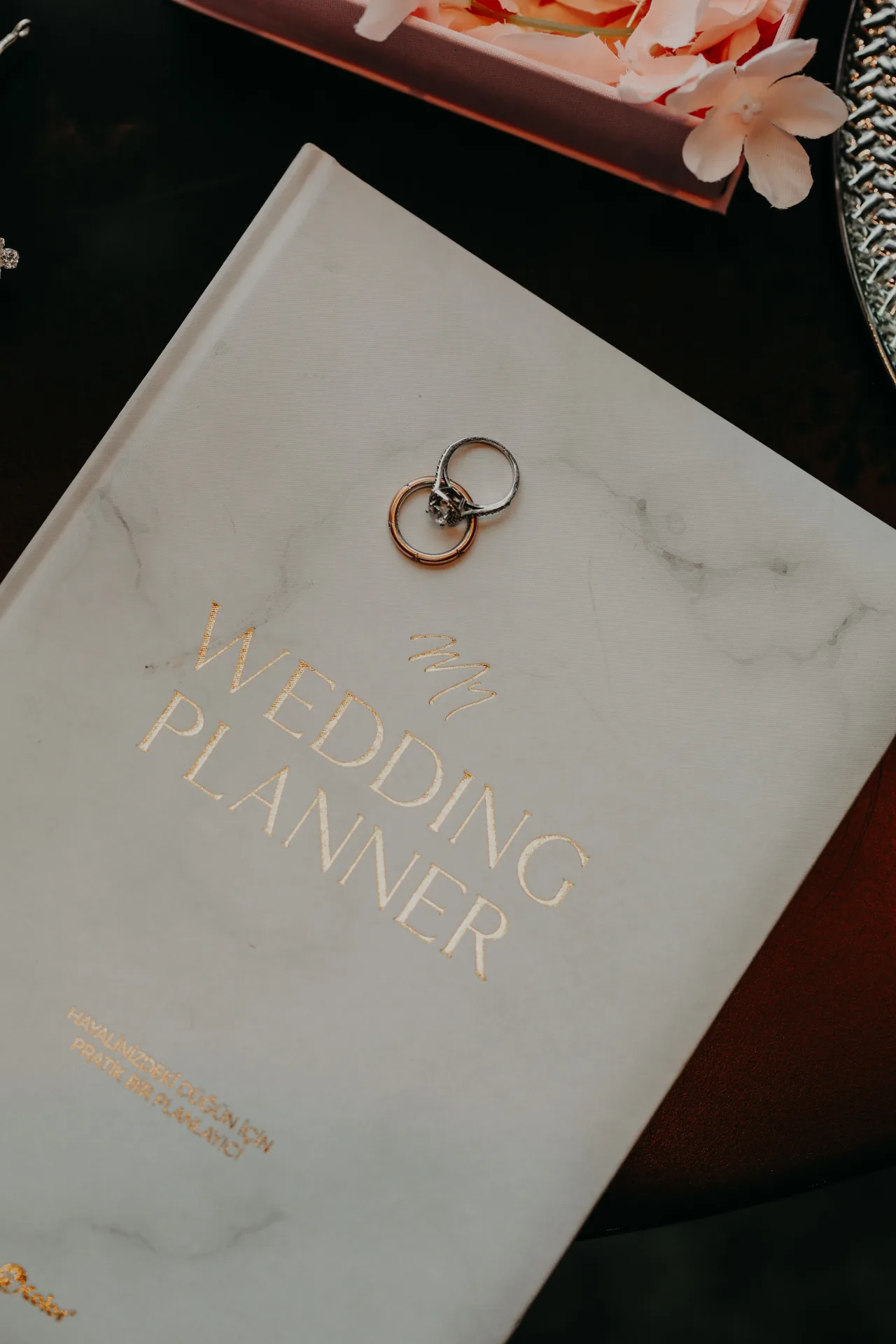
Find the perfect wedding planner by asking these 10 critical questions. Learn what to look for, red flags to avoid, and how to ensure a great fit.
Choosing the right wedding planner can mean the difference between a seamless celebration and months of unnecessary stress. A skilled planner brings expertise, vendor connections, and problem-solving abilities that turn your vision into reality while keeping you sane throughout the process. But not every planner operates the same way, and finding the right match requires asking the right questions upfront.
What Services Are Included in Your Packages?
Wedding planners typically offer different service levels, from full-service planning that begins a year or more before your date to day-of coordination that ensures everything runs smoothly on the actual wedding day. Some planners include unlimited vendor meetings, budget management, and design consultations in their base package, while others charge separately for each service. Get specifics about what's covered: does the planner attend your venue walk-through, help with invitation wording, create a detailed timeline, or manage RSVPs? Understanding exactly what you're paying for prevents surprises and helps you compare planners accurately.
How Many Weddings Do You Book Per Month or Year?
Volume matters because it directly affects how much attention your wedding receives. A planner juggling multiple events each weekend may have less availability for last-minute questions or might delegate more tasks to assistants. Ask not just about annual totals, but specifically about how many weddings they book during your wedding month. If they're handling three ceremonies the same weekend as yours, find out who will be physically present at your event and when they'll arrive and leave. Some busy planners have excellent systems and teams that allow them to manage multiple events flawlessly, while others become overwhelmed and difficult to reach.
Can You Work Within Our Budget?
Be honest about your total wedding budget from the start, and ask whether the planner has experience creating events at that price point. A planner accustomed to six-figure weddings may struggle to deliver results with a more modest budget, while someone experienced in creative, cost-effective solutions can maximize every dollar. Ask how they approach budget allocation across categories like catering, florals, photography, and entertainment. Do they have relationships with vendors at various price levels? Will they help you prioritize spending based on what matters most to you? A planner who immediately suggests exceeding your budget or dismisses your financial constraints isn't the right fit.
What Is Your Communication Style and Availability?
Some planners prefer scheduled meetings and structured email updates, while others are comfortable with frequent texts and spontaneous calls. Discuss expectations clearly: What are their typical response times? Do they work evenings or weekends when you might have questions? How often will you meet in person or virtually? If you're someone who needs frequent reassurance and check-ins, a planner who communicates primarily through monthly meetings will leave you frustrated. Conversely, if you prefer minimal contact and trust your planner to handle details independently, an overly communicative planner might feel intrusive.
Who Will Be Present on Our Wedding Day?
The person you meet with during initial consultations may not be the person directing vendors and troubleshooting issues on your wedding day. Ask explicitly whether the lead planner will be there, or if an assistant or associate planner handles the actual event. If someone else will be present, request to meet that person before signing a contract. Ask how many weddings that person has coordinated, whether they'll attend your final walk-through, and what their role will be versus the lead planner's involvement. You need confidence in whoever is managing your ceremony and reception.
What Is Your Cancellation and Refund Policy?
Life is unpredictable, and wedding plans sometimes change. Understand the financial implications if you need to postpone or cancel. How much of your deposit is refundable and under what circumstances? What happens if you move your date—can you apply your contract to the new date, or do fees increase? Also ask about the planner's policy if they need to cancel. Do they have backup planners they work with? While uncomfortable to discuss, these scenarios happen, and clarity now prevents disputes later.
Can You Provide References From Recent Clients?
Speaking with past couples gives you unfiltered insight into how a planner actually works. Ask for contacts from weddings similar in size, style, and budget to yours, ideally from within the past year. When you reach out to references, ask specific questions: Did the planner stay within budget? How did they handle unexpected problems? Were they responsive to concerns? Would you hire them again? Pay attention not just to what references say, but how enthusiastically they say it. A lukewarm recommendation or hesitation speaks volumes.
How Do You Handle Problems and Unexpected Situations?
Something always goes wrong at weddings—vendors run late, weather doesn't cooperate, family dynamics create tension. Ask your potential planner to describe specific challenges they've faced and how they resolved them. A great planner has stories about creative problem-solving: the time they sourced replacement flowers an hour before the ceremony, calmed a panicking groom, or seamlessly adjusted the timeline when the ceremony ran long. Listen for confidence and resourcefulness rather than defensiveness or claims that problems never happen to them.
What Vendors Do You Typically Work With?
Most planners have preferred vendor lists built through years of successful collaborations. Ask to see their recommended vendors for major categories like catering, photography, florals, and entertainment. Are you required to use their preferred vendors, or can you bring your own? Some planners receive referral fees from certain vendors, which isn't necessarily problematic but should be disclosed. If you've already booked a photographer or venue, ask whether they've worked with those vendors before and how they approach coordinating with unfamiliar partners. A planner unwilling to work with your existing choices may not be flexible enough for your needs.
What Makes Your Planning Approach Unique?
This open-ended question reveals what the planner values and how they differentiate themselves. Some emphasize design and aesthetics, others focus on logistics and efficiency, and some specialize in specific wedding styles like destination events or intimate gatherings. Listen for genuine passion rather than generic marketing language. The best fit is a planner whose strengths align with what you need most—whether that's creative vision, budget management, family diplomacy, or flawless execution of complex timelines.
Finding Your Perfect Planning Partner
The right wedding planner becomes your advocate, translator, and calm presence throughout one of life's biggest celebrations. These ten questions help you move past surface-level impressions to understand how a planner actually works, communicates, and handles the inevitable challenges that arise. Trust your instincts alongside practical considerations—you'll be working closely with this person for months, so compatibility matters as much as credentials.
Ready to connect with experienced wedding planners in your area? Post your needs on RippleQuest and get matched with qualified professionals who can bring your vision to life. Share your date, style preferences, and budget, and let the right planners come to you.