
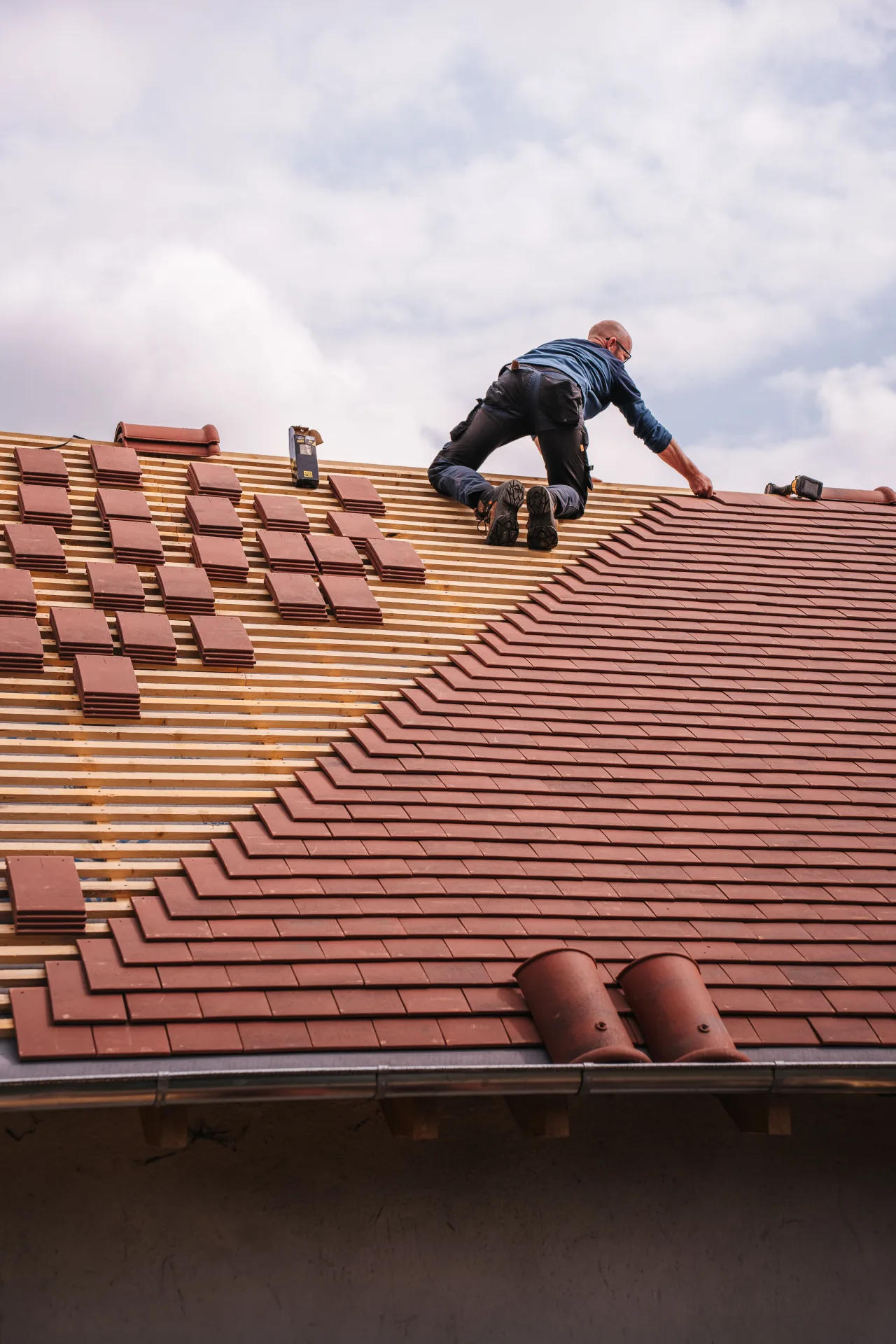
Signing a roofing contract without the right information can lead to costly problems. These 10 essential questions help you protect your investment.
A new roof represents one of the largest investments most homeowners will make in their property. Whether you're dealing with storm damage, age-related wear, or simply upgrading your home, the contractor you choose and the contract you sign will determine whether that investment protects your home for decades or becomes a source of ongoing problems. Before you put pen to paper, these ten questions will help you understand exactly what you're agreeing to and whether the contractor is qualified to deliver.
Is Your Business Licensed, Bonded, and Insured?
This question should be first on your list, not last. A legitimate roofing contractor carries general liability insurance and workers' compensation coverage. Ask for proof of both, and don't just take their word for it. Request copies of current certificates and verify them with the insurance company directly. The contractor should also provide their license number, which you can check with your state's licensing board. If a worker gets injured on your property and the contractor lacks workers' comp, you could be held liable. If they damage your neighbor's property and have no liability coverage, you're looking at potential legal issues that no homeowner should face.
What Exactly Does This Contract Include?
A detailed scope of work protects both parties. The contract should specify the exact materials being used, including shingle brand, color, and warranty tier. It should outline whether they're doing a tear-off or overlay, how many layers they're removing, and what happens to the old materials. Does the price include new flashing around chimneys and vents? What about drip edge, ice and water shield, or ridge vents? Vague language like "standard roofing work" leaves room for disputes when the crew shows up with materials you didn't expect or skips components you assumed were included.
What's the Timeline, and What Happens If It Changes?
Most residential roofing jobs take between one and three days for completion, depending on size and complexity. Your contract should state a start date and expected completion timeframe. More importantly, it should address what happens if weather delays the project or if the crew discovers unexpected damage once they remove the old roof. Will you be charged extra for structural repairs? How much notice will you receive if they need to reschedule? A roof left partially completed during a rainstorm can cause serious interior damage, so understanding the timeline and contingency plans matters tremendously.
How Will Payment Work?
Reputable contractors typically request a deposit to order materials and schedule the crew, with the balance due upon completion. Be wary of anyone demanding full payment upfront or asking for cash only. The payment schedule should be clearly outlined in the contract. Some contractors break payments into phases: deposit, mid-project when materials arrive, and final payment after inspection. Never make that final payment until you've walked the property with the contractor, verified the work meets your expectations, and confirmed they've cleaned up all debris and nails from your yard.
What Warranties Cover This Work?
Roofing warranties come in two flavors: manufacturer warranties on the materials and workmanship warranties from the contractor. Manufacturer warranties vary widely, from 20 years to lifetime coverage, but they typically only cover defective shingles, not installation issues. The contractor's workmanship warranty should cover labor and installation problems for at least one to five years. Get both warranties in writing as part of your contract. Some manufacturers offer enhanced warranties if the contractor is certified, which brings additional value worth asking about.
Who Will Be Doing the Actual Work?
The person who gives you the estimate might not be the person nailing shingles to your roof. Ask whether the company uses its own employees or subcontractors. Either can be fine, but you want to know who's responsible if something goes wrong. If they use subs, are those workers covered under the company's insurance? Will the same project manager oversee the work from start to finish? Knowing who will actually be on your roof and who supervises them helps you understand the chain of accountability.
Do You Have Current References From Similar Projects?
A contractor confident in their work will gladly provide references from recent projects similar to yours. Ask for at least three, and actually call them. Find out if the crew showed up on time, stayed within budget, cleaned up properly, and handled any issues professionally. Drive by a few completed jobs if possible to see the quality firsthand. Online reviews offer another perspective, but direct references from customers who had similar work done give you the most relevant information about what to expect.
What Happens If You Find Damage During Tear-Off?
Contractors often discover rotted decking, damaged trusses, or other structural issues once they remove the old roof. Your contract should address how these discoveries are handled. Will the contractor stop work and provide a written estimate for repairs before proceeding? Are there any conditions under which they would proceed without your approval? What's a reasonable price for common repairs like replacing a few sheets of plywood? Having this conversation before work begins prevents the uncomfortable situation of workers standing idle on your roof while you scramble to decide whether a surprise quote is fair.
How Will You Protect My Property and Handle Cleanup?
Roofing creates debris. Nails, shingle fragments, and other materials will rain down around your home during tear-off. Ask how the contractor protects your landscaping, siding, and windows. Will they use tarps? Do they place plywood over AC units and outdoor fixtures? Most importantly, how do they clean up? Professional crews run magnets over the entire yard multiple times to pick up nails that could puncture tires or injure children and pets. They should haul away all old materials and leave your property cleaner than they found it. Get these commitments in writing.
Can I Get This Contract in Writing Before I Commit?
This might seem obvious, but some contractors operate on handshake agreements or produce a contract only when they're ready to start work. Insist on receiving a written contract at least a day or two before signing, giving you time to read every clause without pressure. The contract should include everything discussed: scope of work, materials, timeline, payment schedule, warranties, and cleanup. If the contractor refuses to provide a written agreement or pressures you to sign immediately, that's your signal to find someone else. Legitimate professionals understand that homeowners need time to review major financial commitments.
Asking these questions before signing a roofing contract helps you avoid contractors who cut corners, use substandard materials, or disappear when problems arise. The right contractor will welcome these questions because they demonstrate you're an informed customer who values quality work. If you're ready to connect with experienced roofing contractors who understand what a professional process looks like, post your roofing project on RippleQuest and get matched with qualified professionals in your area who are ready to earn your business.