
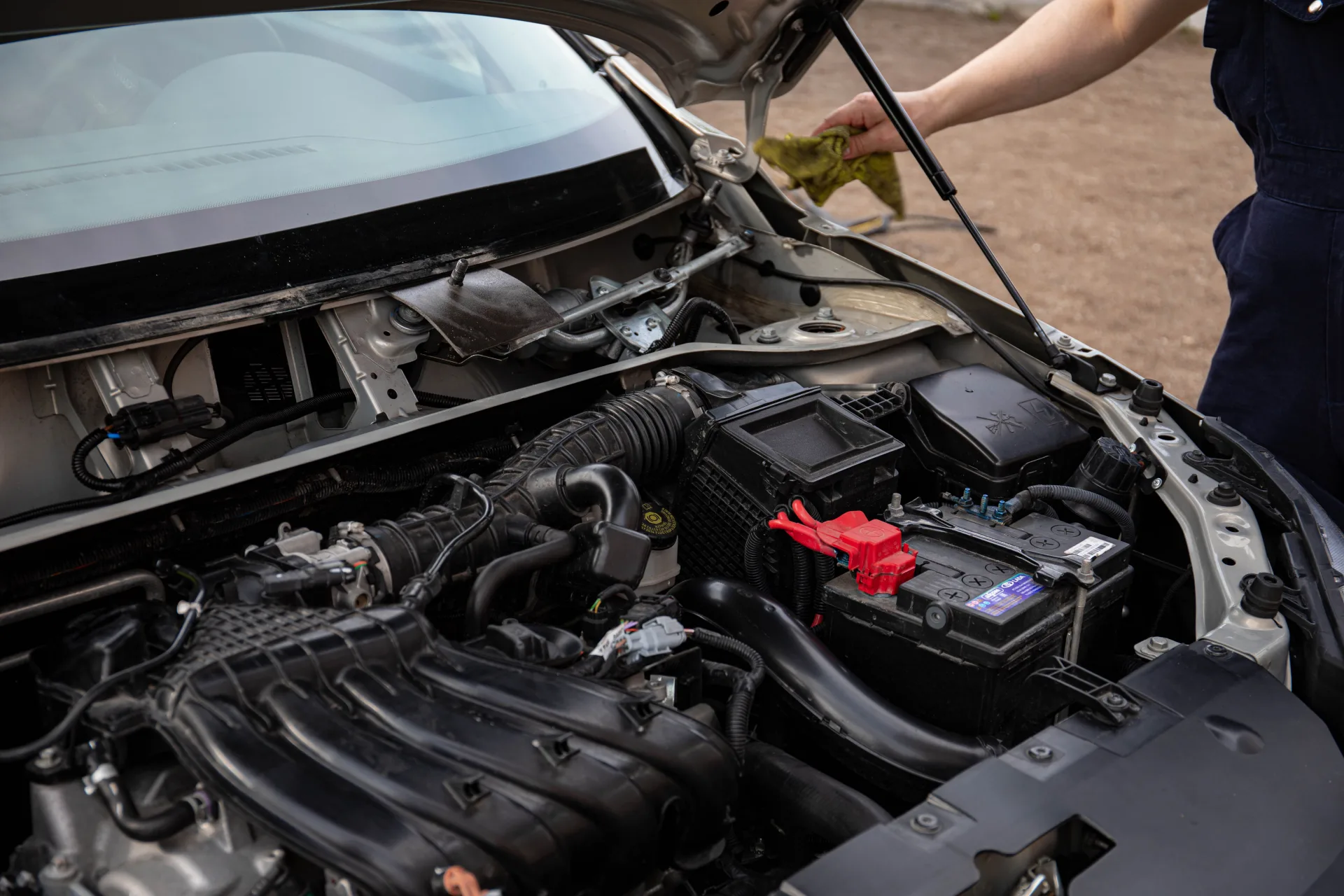
Discover the critical questions every car owner should ask before entrusting their vehicle to a new mechanic for the first time.
Finding a reliable mechanic can feel like searching for a needle in a haystack, especially after a move to a new area or when your longtime shop closes. Your car represents a significant investment and getting quality repair work matters for both safety and your wallet. Before you hand over the keys to someone new, asking the right questions upfront can save you from headaches, unexpected bills, and subpar work down the road.
What Certifications and Training Do Your Technicians Have?
Not all mechanics receive the same level of training. ASE (Automotive Service Excellence) certification indicates a technician has passed rigorous testing in specific repair areas. While certification isn't legally required, it demonstrates commitment to professional standards. Ask specifically which technicians hold certifications and in what areas. A shop specializing in transmissions, for example, should have ASE-certified transmission specialists on staff. Don't hesitate to request proof or look for certificates displayed in the customer waiting area.
Can You Provide a Written Estimate Before Starting Work?
Reputable mechanics provide detailed written estimates that break down parts and labor costs before touching your vehicle. This estimate should specify which repairs are critical for safety versus optional maintenance items. Many states actually require written authorization before exceeding a certain dollar threshold, but good shops do this as standard practice regardless. Be wary of anyone who refuses to put estimates in writing or gives only vague verbal ranges.
What Warranty Do You Offer on Parts and Labor?
Quality shops stand behind their work with meaningful warranties. Ask specifically how long parts and labor are covered, and what circumstances void the warranty. A typical warranty might cover parts for 12 months or 12,000 miles and labor for 90 days, though this varies. Understanding warranty terms protects you if the same problem resurfaces shortly after repair. Get warranty details in writing as part of your service agreement.
Do You Specialize in My Vehicle Make or Type?
Some shops focus on specific manufacturers or vehicle types. A mechanic who primarily works on domestic trucks may not be the best choice for your European luxury sedan, even if they're willing to take the job. Specialized equipment, diagnostic tools, and experience with particular systems matter significantly for accurate diagnosis and efficient repair. Ask how many vehicles like yours they service monthly and whether they have manufacturer-specific diagnostic equipment.
Will You Show Me the Old Parts and Explain What Failed?
Trustworthy mechanics welcome questions and take time to explain repairs in plain language. Ask if you can see the worn or damaged parts that are being replaced. Seeing a cracked belt, worn brake pads, or a leaking hose helps you understand the necessity of the repair and builds trust. Mechanics who rush through explanations or become defensive when asked to show their work raise legitimate concerns about transparency.
Do You Use OEM, Aftermarket, or Rebuilt Parts?
Parts quality varies dramatically and affects both cost and longevity. OEM (Original Equipment Manufacturer) parts come from your vehicle's manufacturer and typically cost more. Aftermarket parts are made by third-party companies and range from budget options to premium alternatives that exceed OEM specs. Rebuilt parts offer a middle ground for expensive components. A good mechanic explains the options, their price differences, and lets you make an informed choice based on your budget and how long you plan to keep the vehicle.
How Do You Handle Diagnostic Fees?
Diagnosing modern vehicles often requires specialized computer equipment and skilled troubleshooting time. Many shops charge a diagnostic fee that may or may not apply toward repair costs if you proceed with the work. Clarify this policy upfront. A diagnostic fee typically ranges from 50 to 150 dollars depending on complexity, and shops that waive it when you authorize repairs offer good value. Understanding this cost structure prevents surprise charges on your final bill.
Can You Provide References or Online Reviews?
Word-of-mouth remains powerful in the auto repair industry. Ask if the shop can provide references from customers with similar vehicles or repair needs. Additionally, check online reviews across multiple platforms for patterns. One or two negative reviews among dozens of positive ones might not raise alarms, but consistent complaints about the same issues—overcharging, incomplete repairs, poor communication—deserve serious consideration. A shop confident in their reputation will direct you to their reviews rather than discouraging you from researching.
What Happens If the Problem Isn't Fixed After Repair?
Even skilled mechanics occasionally misdiagnose issues or encounter complications. Ask about the shop's policy when a repair doesn't solve the problem. Will they recheck the work at no additional charge? How do they handle situations where the initial diagnosis was incorrect? Understanding their approach to comeback jobs reveals their commitment to customer satisfaction and professional integrity. Shops that refuse to discuss this scenario may lack confidence in their work.
How Will You Keep Me Updated During the Repair?
Communication matters tremendously when your car sits in someone else's bay. Ask how the shop handles updates if they discover additional problems during repair. Will they call for authorization before addressing new issues? Can they send photos of problem areas? How quickly can you reach someone with questions? Mechanics who provide regular updates and don't authorize extra work without your approval respect both your vehicle and your budget. Clarify preferred communication methods—phone, text, or email—to ensure smooth interaction.
Making the Right Choice for Your Vehicle
These ten questions create a framework for evaluating any new mechanic before your first service appointment. Pay attention not just to the answers themselves, but how they're delivered. A mechanic who welcomes your questions, provides clear explanations, and treats you as a partner in maintaining your vehicle has earned serious consideration. Those who seem annoyed by basic inquiries or pressure you to authorize work immediately may not prioritize your satisfaction.
Ready to connect with qualified mechanics in your area? Post your auto repair needs on RippleQuest and get matched with experienced professionals who want to earn your business. Whether you need routine maintenance, diagnostic work, or major repairs, the right mechanic is ready to help keep your vehicle running safely and reliably.