
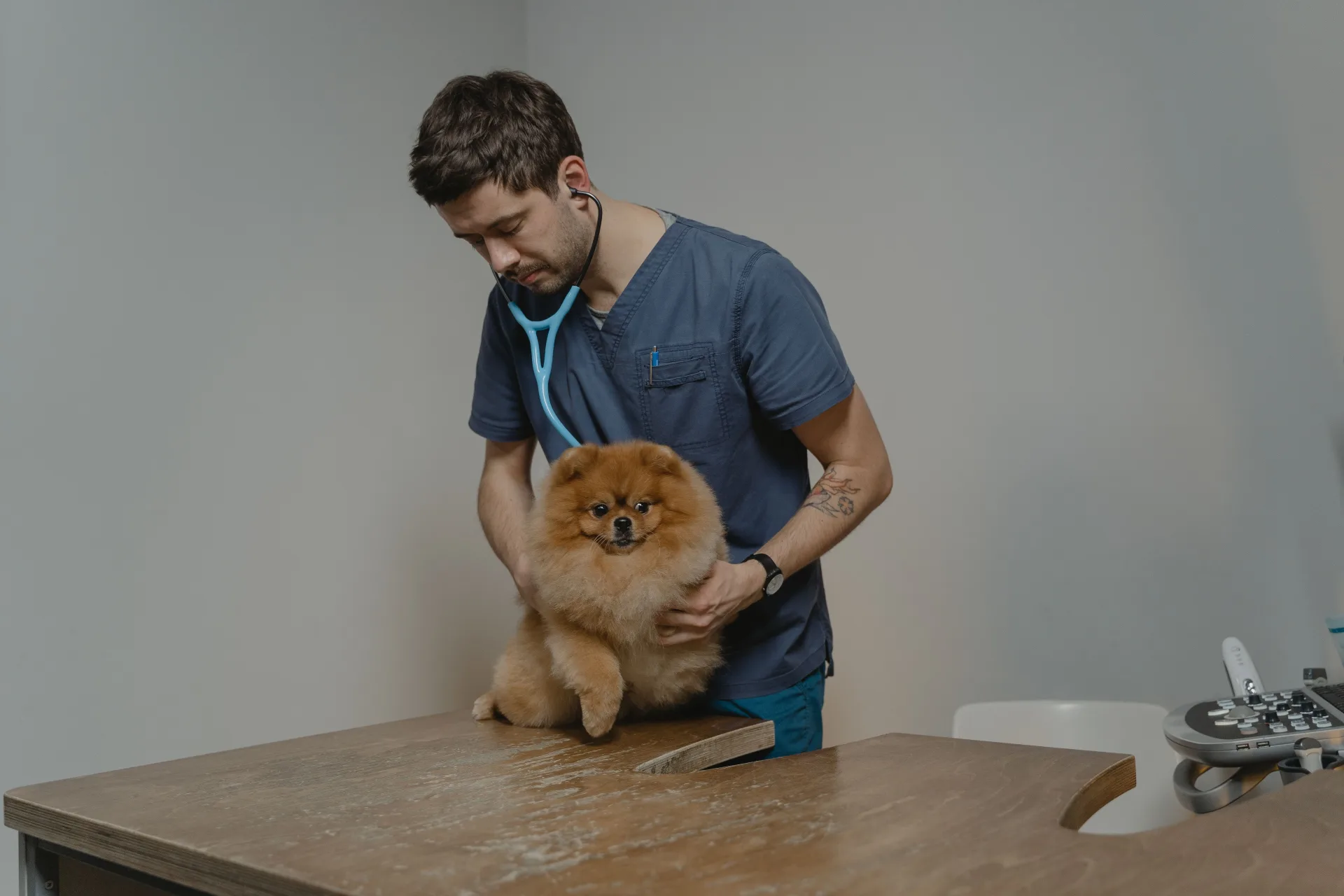
Your first veterinary appointment sets the tone for your pet's lifelong care. Ask these 10 essential questions to ensure you've found the right fit.
Walking into a new veterinary clinic for the first time with your pet can feel overwhelming. You're trusting a stranger with the health of a family member, and the choices you make during that initial visit will shape years of care. The veterinarian you choose will influence everything from routine preventive care to how emergencies are handled, so it's worth taking the time to ask the right questions before you commit.
Your first appointment is more than just a checkup—it's an interview. A good veterinarian will welcome your questions and take the time to answer them thoroughly. If someone seems rushed or dismissive, that's valuable information too. Here are ten essential questions that will help you evaluate whether this practice is the right fit for you and your pet.
What Are Your Practice Hours and Emergency Protocols?
Understanding when you can reach your vet matters more than most people realize. Ask about regular office hours, whether they offer weekend or evening appointments, and how they handle after-hours emergencies. Some practices have their own emergency services, while others refer to a separate emergency clinic. Find out if your regular vet will have access to your pet's records during an emergency, and whether there's a 24-hour hotline you can call for urgent questions.
If the practice doesn't offer emergency care, ask which emergency clinic they partner with and whether they communicate directly with that facility. A seamless handoff can make a critical difference when your pet needs urgent attention at midnight.
What Preventive Care Do You Recommend for My Pet's Age and Breed?
Preventive care recommendations vary dramatically based on species, breed, age, and lifestyle. A puppy in an urban apartment has different needs than a senior outdoor cat or a large-breed dog prone to joint issues. Ask your vet to outline a preventive care plan specific to your pet, including vaccination schedules, parasite prevention, dental care, and any breed-specific screenings.
Pay attention to whether the vet asks detailed questions about your pet's daily routine, diet, and environment. Generic answers suggest a one-size-fits-all approach, while tailored recommendations indicate a vet who thinks critically about individual patient needs.
How Do You Approach Pain Management and Comfort?
Veterinary medicine has evolved significantly in pain management, but not all practices have kept pace. Ask how the clinic assesses and treats pain, both for routine procedures like spaying or neutering and for chronic conditions like arthritis. Inquire about what pain medications they use, how they monitor pets during recovery, and what signs of discomfort you should watch for at home.
A veterinarian who takes pain seriously will have detailed protocols and won't minimize your concerns about your pet's comfort. This question also gives you insight into the practice's overall philosophy of care.
What Is Your Experience With My Pet's Specific Needs?
If you have a rabbit, a reptile, a senior pet with multiple health issues, or a breed known for particular medical challenges, you need a vet with relevant experience. Don't assume every veterinarian is equally comfortable with every type of animal or condition. Ask directly about their experience and whether they consult with specialists when needed.
There's no shame in a vet admitting they're not the best fit for exotic animals or complex cases. What matters is that they're honest and willing to refer you to someone with more specialized expertise when appropriate.
Can You Walk Me Through What Happens During a Typical Exam?
This question accomplishes two things: it helps you understand what to expect, and it reveals how thorough the practice is. A comprehensive exam should include checking your pet's eyes, ears, teeth, skin, heart, lungs, abdomen, joints, and lymph nodes, plus a discussion of behavior, diet, and any concerns you have.
Listen for mention of baseline health records, weight tracking over time, and proactive screening. A vet who takes detailed notes and compares them to previous visits is more likely to catch subtle changes early.
How Do You Handle Cost Estimates and Payment?
Veterinary care costs can add up quickly, and surprises at checkout create stress for everyone. Ask how the practice handles estimates for both routine and unexpected procedures. Do they provide written estimates before non-emergency procedures? Will they call you for approval if costs exceed the estimate during a procedure? What payment options do they accept, and do they offer payment plans or work with pet insurance?
A practice that's upfront about costs and willing to discuss options demonstrates respect for clients' financial realities. You should never feel embarrassed to ask about pricing before agreeing to a procedure.
What Is Your Approach to Diagnostic Testing?
Diagnostic tests—bloodwork, X-rays, ultrasounds—are valuable tools, but they should be recommended for clear reasons, not as a blanket policy. Ask your vet to explain why they're recommending specific tests, what they hope to learn, and what the results will tell you about treatment options.
A good veterinarian will discuss the difference between essential diagnostics and optional ones that provide additional information. They should also be willing to explain costs and help you prioritize if budget is a concern.
How Do You Communicate Test Results and Follow-Up Care?
Communication gaps are a common source of frustration in veterinary care. Find out how and when you'll receive test results, who you should call with follow-up questions, and whether the practice uses email, text, or a patient portal. Ask whether you'll receive written discharge instructions after procedures and how accessible your pet's medical records are.
Practices that make communication easy—and that follow up proactively after procedures or when test results arrive—tend to provide a better overall experience and catch problems before they escalate.
Are There Any Services You Don't Provide In-House?
Most general veterinary practices refer out for specialized services like orthopedic surgery, advanced imaging, or behavioral therapy. Knowing what services require a referral helps you plan and understand the practice's capabilities. Ask whether the vet has trusted specialists they work with regularly and how they coordinate care when a referral is needed.
Some practices offer more services than others—dental cleanings, surgery, grooming, boarding—and understanding the scope helps you decide if this is a one-stop shop or if you'll need to build relationships with multiple providers.
What Is Your Philosophy on Treatment Options and Decision-Making?
This broad question invites your vet to share their approach to care, and the answer tells you a lot. Do they present multiple treatment options with pros and cons, or do they default to a single recommendation? How do they balance aggressive treatment with quality of life? Do they support your right to seek second opinions?
You want a veterinarian who sees you as a partner in your pet's care, not someone who simply follows orders or feels undermined when you ask questions. The best vets will respect your values and help you make informed decisions, even when those decisions are difficult.
Finding the Right Veterinary Partner
Your first veterinary appointment is just the beginning of a relationship that will span your pet's lifetime. The questions you ask—and the answers you receive—will help you determine whether this practice aligns with your expectations for communication, care quality, and partnership. Trust your instincts. If something feels off or if your concerns aren't taken seriously, it's worth exploring other options.
Looking for a veterinarian who's the right fit for you and your pet? Post your needs on RippleQuest and get matched with qualified veterinary professionals in your area. Describe what matters most to you—whether that's experience with a specific breed, flexible hours, or a particular approach to care—and let local providers reach out to you.