
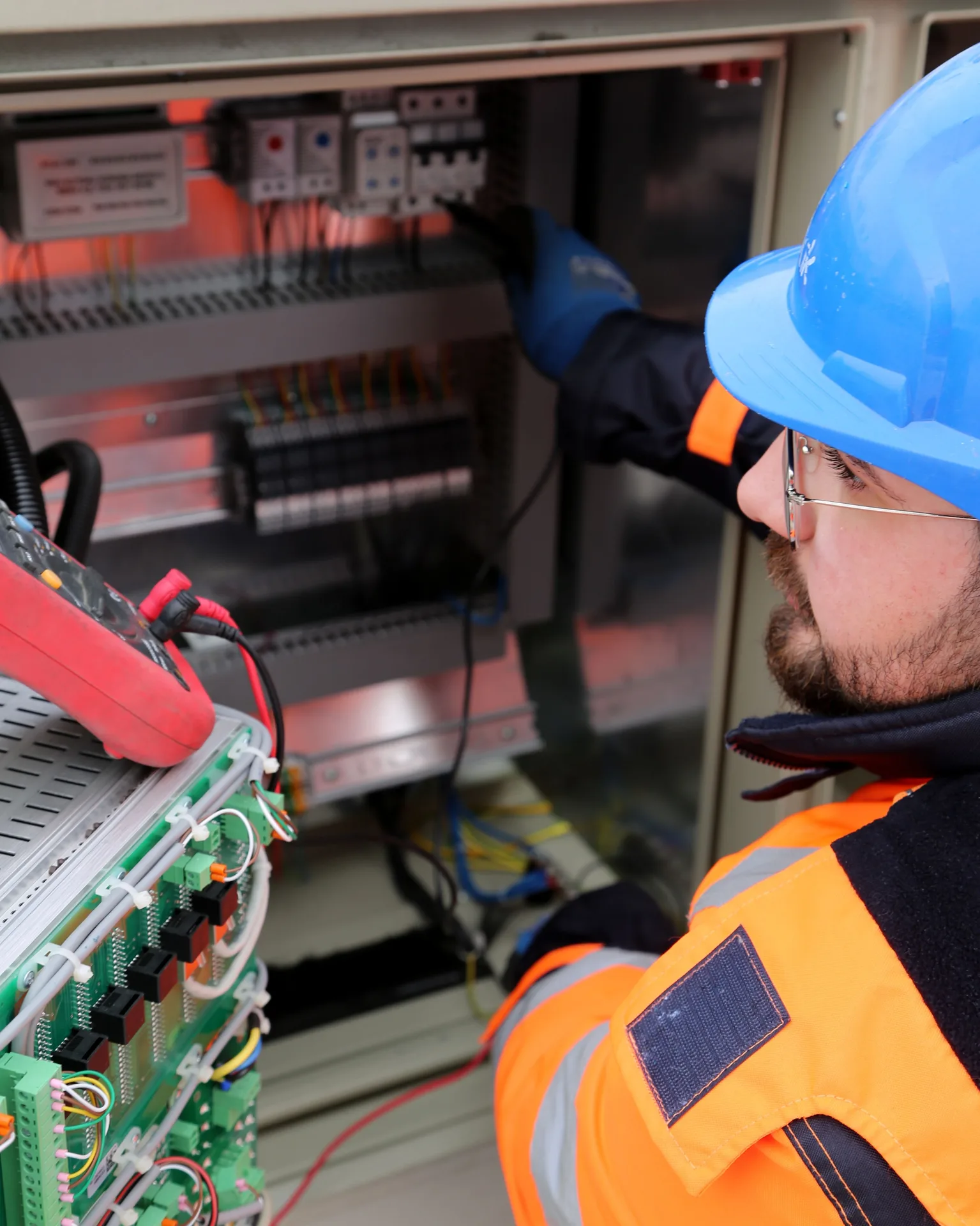
Hiring the wrong electrician can lead to safety hazards and costly repairs. Learn the 10 red flags that signal trouble before you sign a contract.
Electrical work is one area where cutting corners can have serious consequences. A botched installation might function for weeks or months before sparking a fire, and faulty wiring hidden behind drywall can turn into a dangerous liability. The electrician you hire should inspire confidence from the first conversation, but not every contractor meets professional standards. Knowing which warning signs to watch for protects your home, your wallet, and your family's safety.
They Can't Produce a Valid License
Every state requires electricians to hold a license for residential work, and most distinguish between journeyman and master electrician credentials. If a contractor hesitates when you ask for their license number, claims it's "in process," or says a license isn't necessary for small jobs, walk away. Unlicensed work voids permits, violates local codes, and leaves you with zero recourse if something goes wrong. A legitimate electrician will provide their license number immediately and won't be offended when you verify it with your state licensing board.
No Proof of Insurance or Bonding
Electrical work carries inherent risks. Contractors should carry both liability insurance and workers' compensation coverage. Liability insurance protects you if their work causes property damage or injury. Workers' comp ensures that if a technician is hurt on your property, you won't face a lawsuit. Ask to see current certificates of insurance before any work begins. A contractor who says insurance is "too expensive" or "not needed for a quick job" is transferring all risk onto you.
They Offer a Quote Without Seeing the Job
Accurate electrical estimates require an on-site inspection. Wire gauge, panel capacity, distance from the breaker box, existing code violations, and access challenges all affect labor and materials. An electrician who quotes a price over the phone based on your description alone is either inexperienced or planning to hit you with change orders later. Professional contractors visit your home, examine the specific conditions, and provide a detailed written estimate that breaks down labor, materials, and permits.
The Estimate Lacks Detail
A professional estimate should specify which materials will be used (wire type and gauge, breaker amperage, fixture models), the scope of work, the timeline, and payment terms. Vague estimates with a single lump-sum number and no itemization make it impossible to understand what you're paying for or to compare bids fairly. They also leave the door open for disputes when the electrician claims certain tasks weren't included. Detailed estimates demonstrate that the contractor has thought through the project and knows exactly what it entails.
Pressure to Skip Permits
Any work that involves adding circuits, upgrading panels, or running new wiring requires a permit and inspection in most jurisdictions. When an electrician suggests skipping permits to "save time and money," they're encouraging you to break the law. Unpermitted work can trigger problems when you sell your home, void your homeowner's insurance if a fire occurs, and create liability if someone is injured. Inspections exist to verify that work meets safety codes. A contractor who avoids oversight is usually hiding substandard practices.
They Don't Ask About Your Needs or Offer Options
Good electricians ask questions. They want to know how you use the space, what appliances you plan to add, and whether you've experienced issues like flickering lights or tripped breakers. They should also present options when appropriate, explaining trade-offs between different solutions. A contractor who shows up, glances around, and immediately says "I'll fix it" without understanding context or discussing alternatives is either overconfident or uninterested in doing the job properly.
Unprofessional Communication or Appearance
Chronic lateness, unreturned calls, and vague answers to straightforward questions all point to deeper reliability issues. Electrical work requires precision and accountability. If a contractor can't manage basic communication during the sales process, expect the same disorganization during the project. Similarly, while a clean truck and uniform aren't guarantees of skill, a contractor who shows up in an unmarked vehicle with no tools or safety equipment raises questions about their legitimacy and preparedness.
They Demand Full Payment Upfront
Standard practice involves a deposit to cover materials, with the balance due upon completion and your approval. An electrician who insists on full payment before starting work is either desperate for cash flow or planning to disappear. Even large projects should follow a milestone payment structure tied to completed phases of work. Never hand over final payment until the work passes inspection and you've verified that everything functions correctly.
Rock-Bottom Pricing That Seems Too Good to Be True
Electrical work has real costs: quality materials, insurance premiums, licensing fees, permits, and the expertise that comes from years of training. A bid that undercuts every competitor by a significant margin usually means the contractor is unlicensed, uninsured, using substandard materials, or planning to cut corners you won't notice until later. The lowest bid is rarely the best value when safety is on the line. Focus on fair pricing from qualified professionals rather than chasing bargain rates.
No References or Negative Online Reviews
Established electricians have a track record. They can provide references from recent residential clients whose projects resembled yours. They have online reviews across multiple platforms, and while no contractor has a perfect record, patterns matter. A contractor with no verifiable history, a brand-new business identity, or multiple complaints about shoddy work and billing disputes should raise immediate concerns. Take the time to call references and ask specific questions about quality, timeliness, and how the contractor handled any issues that arose.
Finding an Electrician You Can Trust
Electrical work is too important to leave to chance or desperation. The warning signs above can help you filter out contractors who cut corners, lack credentials, or simply aren't equipped to deliver safe, code-compliant work. The right electrician will welcome your questions, provide transparent documentation, and stand behind their work long after the job is done.
Ready to find qualified electricians in your area? Post your project on RippleQuest and get matched with licensed professionals who are ready to provide detailed estimates and references. Whether you need a panel upgrade, new wiring, or troubleshooting, RippleQuest connects you with real electricians who meet professional standards.