
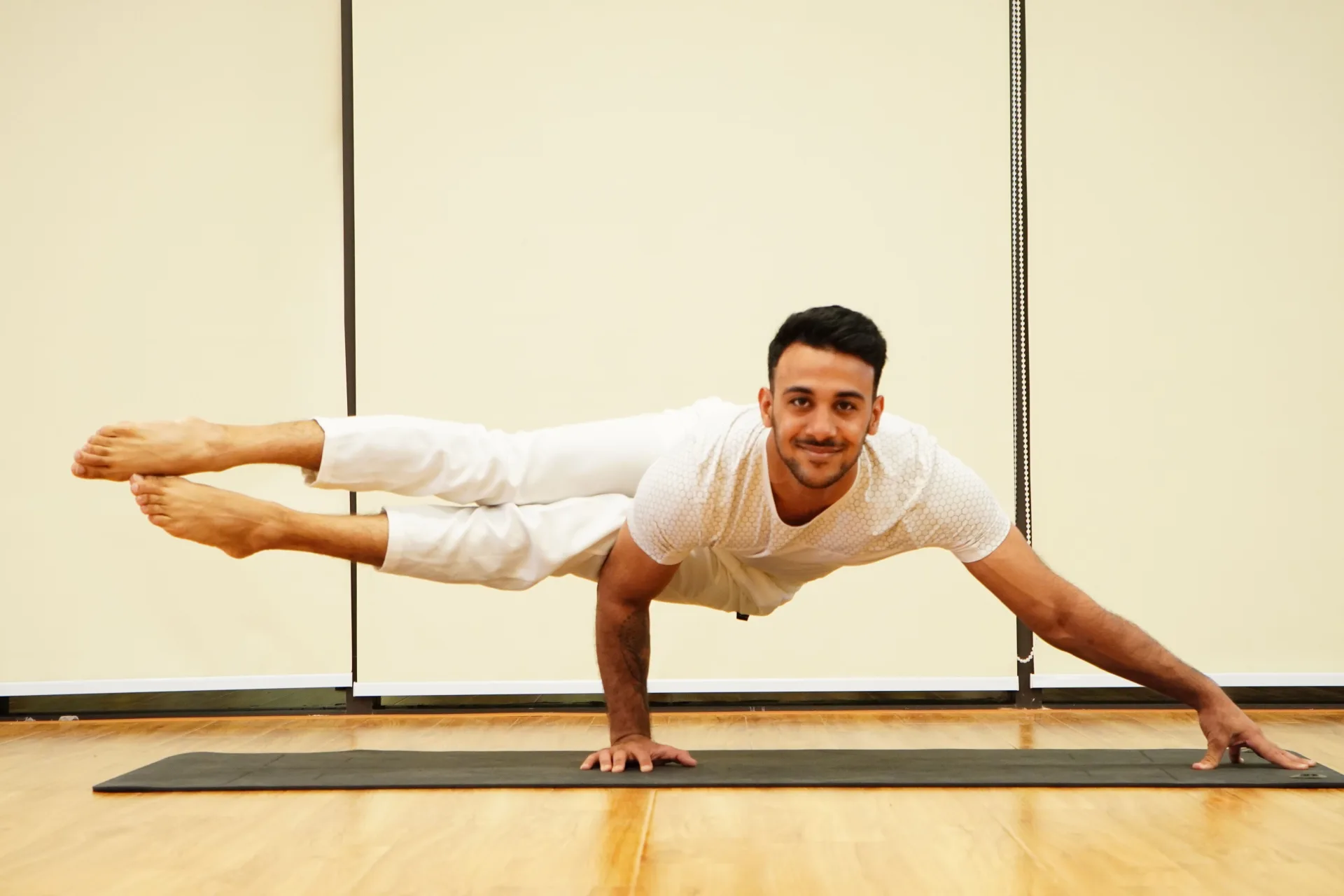
Hiring your first yoga instructor? Ask these seven essential questions about certification, teaching style, and experience to find the right fit.
Finding the right yoga instructor can transform your practice from a frustrating struggle into a genuinely restorative experience. But when you're new to yoga or hiring an instructor for the first time, it's hard to know what separates a great teacher from someone who simply completed a weekend certification. The questions you ask upfront will help you find an instructor whose training, teaching style, and approach align with what you actually need.
What Certifications and Training Do You Hold?
Yoga certifications vary widely in rigor and quality. A reputable instructor should hold at least a 200-hour certification from a Yoga Alliance registered school, which covers anatomy, teaching methodology, and practice techniques. Many experienced teachers pursue 500-hour certifications or specialized training in particular styles like Iyengar, Ashtanga, or restorative yoga.
Don't hesitate to ask where they trained and what their certification involved. An instructor who completed their training with a well-regarded teacher or school will be happy to share that information. You're also looking for ongoing education—yoga is a lifelong practice, and strong instructors continue learning through workshops, mentorships, and advanced certifications rather than stopping after their initial training.
What Style of Yoga Do You Teach, and How Would You Describe Your Classes?
Yoga encompasses dozens of distinct styles, from vigorous power yoga and structured Ashtanga sequences to gentle restorative practices and alignment-focused Iyengar. An instructor's answer to this question reveals not just their technical approach, but how well they can communicate what makes their teaching unique.
Listen for specific details about pacing, difficulty level, and what a typical session includes. If you're recovering from an injury, a fast-paced vinyasa class might not serve you as well as a slower Hatha or therapeutic approach. If you're looking for a workout, you'll want someone who can challenge you physically while still emphasizing safe alignment. The best instructors can adapt their teaching to different student needs, but they should still be able to clearly articulate their core approach.
How Much Experience Do You Have Teaching Students at My Level?
A teacher who primarily works with advanced practitioners might struggle to break down foundational poses for a complete beginner, while someone who specializes in gentle classes for seniors might not push an athletic student hard enough. Ask directly about their experience with students who share your fitness level, flexibility, age, or any specific concerns you bring to the mat.
If you have particular goals—building strength, improving flexibility, managing stress, or addressing chronic pain—ask whether they've helped other students with similar objectives. You're not looking for guarantees, but you want to hear that they've thought about how to structure sessions for someone like you and can offer modifications or progressions as you develop your practice.
Can You Accommodate Injuries, Physical Limitations, or Health Conditions?
This question is critical if you're dealing with any physical challenges, from a recent knee surgery to chronic back pain or pregnancy. A qualified instructor should ask follow-up questions about your specific situation, suggest modifications, and be honest about whether they have the training to work safely with your condition.
Red flags include instructors who minimize your concerns, promise that yoga will "cure" a medical condition, or seem impatient with questions about safety. Strong teachers understand that yoga can support healing and wellness, but they also respect the limits of their scope and may refer you to a physical therapist or medical professional when appropriate. Some instructors hold additional certifications in yoga therapy or pre/postnatal yoga that make them particularly well-suited to work with specific populations.
What Does Your Availability Look Like, and Where Do You Teach?
Practical logistics matter more than many people realize when hiring an instructor. Ask about their regular availability and whether their schedule aligns with yours. If you're hiring for private or semi-private sessions, clarify whether they come to your home, teach at a studio you'd need to access, or offer virtual instruction.
Location and format significantly affect the experience. Home sessions offer privacy and convenience but require adequate space. Studio settings provide a dedicated environment and specialized props. Virtual instruction offers flexibility but demands that you stay motivated without in-person presence. Understanding these trade-offs upfront helps you choose an arrangement you'll actually stick with long-term.
How Do You Structure Sessions and Track Progress?
Experienced instructors think beyond individual classes to consider how your practice develops over weeks and months. Ask how they plan sessions, whether they revisit foundational poses, and how they help students build on what they've learned. Some teachers follow set sequences, while others customize each session based on how you're feeling that day.
For ongoing instruction, you want someone who notices your progress, remembers what you struggled with last week, and can articulate how your practice is evolving. This attention to the individual student separates a true teacher from someone just leading you through a generic routine. Ask if they take notes, offer feedback between sessions, or suggest at-home practices to support your in-person work.
What Are Your Rates and Cancellation Policy?
Understanding the financial commitment upfront prevents awkward conversations later. Private yoga instruction rates vary based on the instructor's experience, your location, session length, and whether you're booking individual classes or a package. Ask about pricing for the specific arrangement you want—one-on-one, small group, virtual versus in-person.
Clarify the cancellation policy as well. Most instructors require 24 hours notice to avoid being charged for a missed session, though policies differ. Ask whether they offer makeup sessions, how they handle their own cancellations, and what happens if you need to pause lessons temporarily. These policies protect both you and the instructor, and a professional will have clear answers ready.
Hiring your first yoga instructor is a personal decision that depends on your body, your goals, and your learning style. The right teacher will answer your questions thoroughly, make you feel comfortable asking more, and demonstrate genuine interest in helping you develop a sustainable practice. If you're ready to connect with qualified yoga instructors in your area, post your needs on RippleQuest and get matched with professionals who can meet you exactly where you are in your yoga journey.