
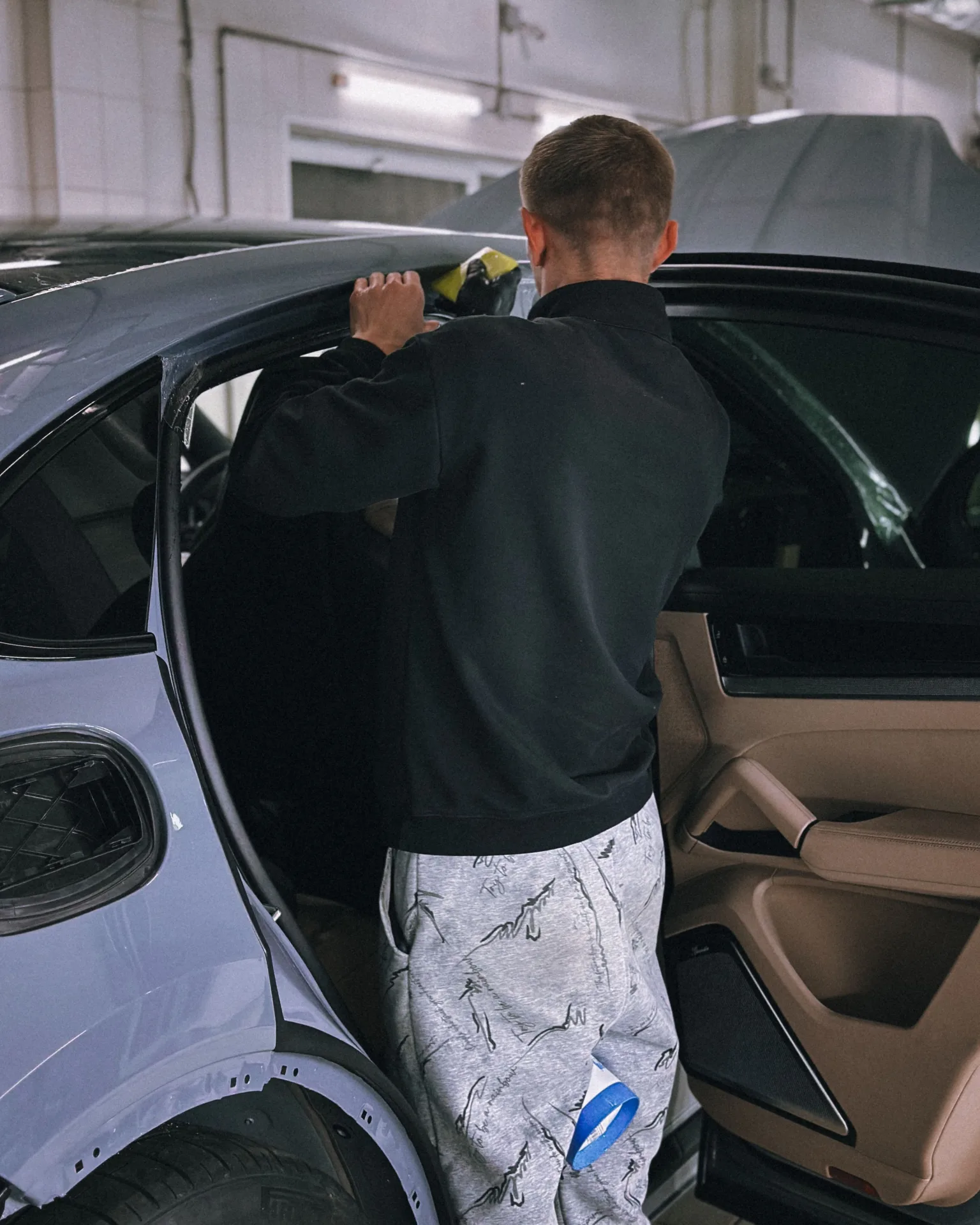
Learn the critical warning signs that separate professional auto detailers from amateurs who could damage your vehicle or waste your money.
Your vehicle represents a significant investment, and trusting someone to clean, polish, and restore it requires more than just picking the cheapest option on a search results page. The wrong detailer can leave swirl marks in your paint, damage your interior materials, or deliver results that last only until the next rainstorm. Knowing what warning signs to watch for will save you money, frustration, and potentially costly repairs down the road.
Vague or No Pricing Structure
Professional detailers should be able to explain what you're paying for, even if the final price depends on your vehicle's size and condition. A detailer who refuses to provide any price range or who quotes dramatically different prices for similar services without explanation is waving a red flag. Legitimate businesses understand their costs and can outline packages that correspond to specific services: exterior wash and wax, interior deep clean, paint correction, ceramic coating, and so on.
Be especially wary of prices that seem too good to be true. A full detail that takes four to six hours of skilled labor won't cost the same as a basic car wash. If someone quotes you half what competitors charge, ask what products they use and what steps they skip. Quality detailing requires professional-grade cleaners, polishes, and protective coatings, along with the expertise to use them correctly. Rock-bottom pricing often means diluted products, rushed work, or corners cut in ways you won't notice until the results fade in days instead of weeks.
No Portfolio or Before-and-After Photos
Detailing is visual work. Any professional who takes pride in their results will have photos demonstrating their capabilities, whether on a website, social media, or shown in person during a consultation. If a detailer has no examples of completed jobs, question why. Either they're new with no track record, or their work isn't worth photographing.
When reviewing photos, look closely at the details. Can you see clear improvement in paint clarity, the removal of scratches or oxidation, and clean edges around trim? Professional work shows consistency across multiple vehicles and conditions. Be skeptical of portfolios with only one or two pristine show cars, especially if you're bringing in a daily driver with pet hair, coffee stains, and years of wear.
Unwillingness to Discuss Products and Methods
Ask what products a detailer plans to use on your vehicle. A professional should be able to name specific brands and explain why they chose them for your car's paint type, interior materials, and condition. If you get vague answers like "professional-grade chemicals" or "the best stuff," that's a problem. Detailers who know their craft understand the difference between a one-step polish and a multi-stage paint correction, between a traditional wax and a ceramic coating, and which approach fits your needs and budget.
Similarly, ask about their process. How do they prevent cross-contamination between wash mitts? Do they use separate buckets for wheels and paint? What kind of drying method do they use to avoid water spots? These aren't trick questions. Someone who details cars for a living should be able to walk you through their workflow and explain how they protect your vehicle at each stage.
No Physical Location or Mobile Setup
Mobile detailing is a legitimate service model, but even mobile detailers should have a business address, insurance information, and professional equipment. A detailer working out of a driveway with household cleaning supplies and a garden hose isn't equipped to deliver professional results. Proper detailing requires controlled lighting to see paint imperfections, access to clean water, appropriate drainage, and space to work without contaminating surfaces.
If you're considering a mobile service, verify they bring professional tools: a pressure washer or foam cannon, dual-action polisher, clean microfiber towels, and proper lighting. For shop-based detailers, visit the location if possible. A clean, organized workspace with dedicated detailing bays signals professionalism. A cluttered garage filled with unrelated projects suggests your car might sit among other jobs without the focused attention it deserves.
Pressure to Add Unnecessary Services
Good detailers assess your vehicle's actual condition and recommend services that make sense. If your paint is in decent shape and you just want a thorough cleaning, you shouldn't face a hard sell on paint correction or ceramic coating. Conversely, if your clear coat shows oxidation or swirl marks, a reputable professional will explain why a simple wash and wax won't fix the underlying issues.
Watch out for scare tactics: claims that your paint is "dying" and needs immediate intervention, or that skipping an expensive add-on will void some imaginary warranty. Detailing is about maintenance and restoration, not fear-based upselling. You should feel informed about your options, not cornered into services you didn't ask for and don't need.
Poor Communication or Unprofessional Behavior
The way a detailer communicates before you hire them predicts how they'll handle your vehicle and any issues that arise. Do they respond to inquiries promptly and professionally? Can they schedule appointments reliably, or do they cancel at the last minute? Do they answer your questions with patience, or act annoyed that you're asking?
Professionalism extends to how they treat your vehicle. A detailer who smokes in your car, blasts music, or leaves trash behind isn't respecting your property. Similarly, if they can't provide a clear timeframe for completion or repeatedly miss deadlines without explanation, that's a sign of disorganization that could affect the quality of their work.
No Insurance or Guarantees
Professional detailers carry liability insurance to cover accidental damage. If a polisher slips and scratches your paint, or a chemical damages your leather seats, insurance protects both you and the business. Any detailer who can't or won't provide proof of insurance is asking you to assume all the risk. Don't accept that arrangement, regardless of how confident they seem.
Beyond insurance, ask about their satisfaction policy. What happens if you're unhappy with the results, or if the coating fails prematurely? Reputable detailers stand behind their work and will address legitimate concerns. A detailer who refuses to discuss what happens if something goes wrong is telling you they won't be around to fix it.
Find the Right Detailer for Your Vehicle
Choosing an auto detailing service doesn't have to feel like a gamble. When you know what questions to ask and which red flags to avoid, you can quickly separate professionals from amateurs who put your vehicle at risk. The right detailer will communicate clearly, show you their work, explain their process, and treat your car with the care it deserves.
Ready to connect with qualified auto detailing professionals in your area? Post your request on RippleQuest and let local detailers who meet your standards reach out with their credentials, pricing, and availability. You'll get matched with real businesses near you, so you can compare options and choose someone you trust to keep your vehicle looking its best.