
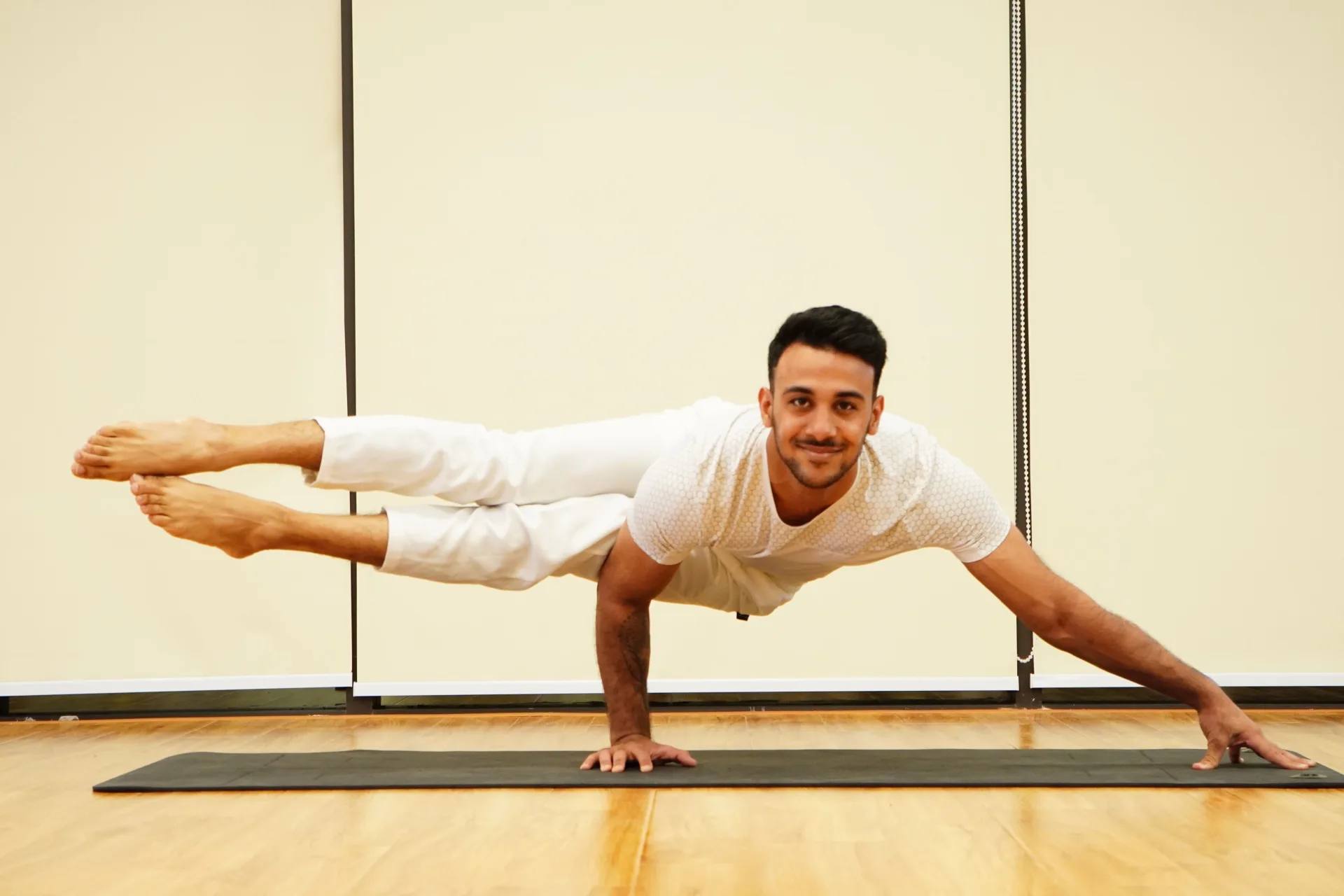
Deciding between group yoga classes and private sessions? Understand the key differences in cost, attention, flexibility, and community to find your best fit.
Every yoga practice is personal, but the setting you choose shapes your experience in fundamental ways. Group classes offer community energy and structured schedules, while private sessions deliver tailored instruction and one-on-one attention. The right choice depends on your goals, learning style, budget, and where you are in your yoga journey. Understanding what each format actually offers—and what trade-offs you're making—helps you invest your time and money where it counts most.
What You Get in Group Yoga Classes
Group classes typically range from five to thirty students, with most studio classes falling somewhere between ten and twenty. You'll follow a sequence designed for a general population at a particular level—beginner, all-levels, intermediate, or advanced. The instructor demonstrates poses, offers verbal cues, and may provide occasional hands-on adjustments depending on class size and their teaching style.
The energy in a group setting can be motivating. Practicing alongside others creates a shared rhythm that many people find supportive, especially when building a consistent habit. You're also exposed to how different bodies approach the same poses, which can be reassuring if you're working through limitations or just starting out.
Schedules are fixed, which works well if you thrive on routine. Most studios offer multiple weekly classes, so you can drop in when it fits your calendar. Pricing usually runs per class or through monthly memberships, making budgeting predictable. The downside is less flexibility—you show up at the scheduled time, or you miss the session entirely.
Group classes work best when your body can safely follow general cues without significant modification, when you're comfortable learning by observation and self-correction, and when community accountability helps you stay committed. They're also ideal if you're exploring different styles or teachers without committing to a single approach.
What Private Yoga Sessions Offer
Private sessions give you the instructor's full attention for the entire appointment, typically ranging from sixty to ninety minutes. The session is designed specifically for your body, your goals, and your current abilities. If you have an injury, chronic pain, or structural considerations that require modification, a private instructor can build sequences that work with your limitations rather than around them.
The pace is entirely yours. You can spend extra time on poses that challenge you, skip what doesn't serve your practice, and ask questions without worrying about holding up a class. This format is particularly valuable if you're recovering from injury, managing a health condition, preparing for a specific event, or deepening your understanding of alignment and breathwork.
Scheduling is flexible. Most private instructors work around your availability, meeting you at a studio, your home, or even outdoors. This convenience comes at a higher cost per session than group classes—often three to five times the per-class rate—but you're paying for customized programming and undivided expertise.
Private instruction accelerates progress if you have specific goals: building a home practice, mastering inversions, working through prenatal or postnatal yoga, or addressing postural issues from your job or sport. The feedback loop is immediate, so you develop better body awareness faster than you would in a group where the instructor can't watch you continuously.
Questions to Ask Before You Decide
Start by clarifying what you actually want from yoga right now. Are you looking to build general fitness and flexibility, or do you have a targeted goal like reducing lower back pain or improving balance after an injury? General wellness and exploration lean toward group classes. Specific therapeutic or performance goals often justify private instruction.
Consider your learning style. Some people absorb movement patterns well by watching and doing; others need detailed verbal cues and hands-on correction to understand proper alignment. If you've taken a few group classes and felt lost or unsure whether you're doing poses correctly, that's a sign private sessions might serve you better, at least initially.
Budget matters, but think in terms of value rather than just cost per session. A package of six private sessions might equal the cost of three months of unlimited group classes. If those private sessions help you build a sustainable home practice or resolve a specific issue, the return may outweigh months of general classes. Conversely, if you're maintaining an existing practice and enjoy variety, group classes deliver more mat time for your money.
Ask instructors about their experience with your particular needs. A teacher with training in therapeutic yoga, prenatal yoga, or adaptive practices brings different expertise than one who primarily teaches vigorous flow classes. Most qualified instructors can handle general requests, but if you're dealing with scoliosis, joint hypermobility, or recovering from surgery, specialized training matters.
Red Flags and What Fair Service Looks Like
Any instructor—group or private—should ask about injuries, health conditions, and your experience level before your first session. If a private instructor doesn't conduct an initial assessment or ask about your goals, that's a concern. They're essentially guessing at what you need rather than designing an appropriate practice.
In group settings, watch whether the instructor offers modifications and reminds students to honor their own limits. A teacher who pushes everyone toward the deepest expression of every pose without acknowledging that bodies differ is creating an environment where injury is more likely. Good group instructors demonstrate options and encourage self-awareness over achievement.
For private sessions, clear communication about scheduling, cancellation policies, and what's included in each session should happen upfront. Some instructors provide practice plans or recordings for home use between sessions; others don't. Knowing what to expect prevents misunderstandings later.
Certification matters, but it's not the only measure of teaching quality. Most reputable instructors have completed a 200-hour or 500-hour registered yoga teacher training. Additional certifications in specialties like yin yoga, restorative yoga, or trauma-informed teaching indicate deeper expertise in those areas. Experience—how long they've been teaching and with what populations—often tells you as much as credentials.
Combining Both Approaches
You don't have to choose exclusively. Many practitioners use private sessions to establish a foundation or work through specific challenges, then transition to group classes for ongoing practice and community. Others maintain a regular group class schedule and book occasional private sessions for tune-ups or when life circumstances change—recovering from an injury, adapting practice during pregnancy, or preparing for a retreat.
This hybrid approach balances cost with personalized attention. A few private sessions can dramatically improve your alignment and understanding, making group classes more effective and safer. Once you know how to modify poses for your body and recognize what good alignment feels like, you can participate confidently in group settings without constant correction.
Some instructors offer semi-private sessions with two to four students, splitting the cost while still receiving more individualized attention than a large class provides. If you have a friend with similar goals and availability, this can be an excellent middle ground.
Finding the Right Yoga Instructor for Your Needs
Whether you're leaning toward group classes or private sessions, finding an instructor whose teaching style and expertise match your needs makes all the difference. The best way to connect with qualified yoga teachers in your area is to describe what you're looking for and let them come to you.
Post your request on RippleQuest with details about your experience level, any physical considerations, your goals, and your preferred format. You'll get matched with certified yoga instructors who can provide exactly what you need—whether that's beginner-friendly group classes, one-on-one therapeutic sessions, or something in between. It takes the guesswork out of searching and puts you in touch with professionals who are ready to help you build the practice that works for your body and your life.