
Understand the key differences between emergency and regular plumbing services, when each is appropriate, and what you should expect to pay.
A pipe bursts at 2 a.m., water spreading across your kitchen floor. Or you notice a slow drip under the bathroom sink that's been there for weeks. Both situations need a plumber, but they don't need the same kind of service. Knowing whether to call for emergency plumbing help or schedule a standard appointment can save you hundreds of dollars and prevent unnecessary stress.
What Defines an Emergency Plumbing Situation
Emergency plumbing services exist for situations that pose immediate risk to your property, health, or safety. A burst pipe flooding your home qualifies. So does a complete sewer backup that makes toilets unusable, or a water heater rupture actively leaking. These scenarios can't wait until Monday morning or regular business hours because every passing minute increases damage and potential health hazards.
Gas line leaks also count as plumbing emergencies, even if you don't see water. If you smell gas near any plumbing fixtures or appliances, you need immediate professional help after evacuating and calling your gas company. The same urgency applies to complete loss of water in freezing temperatures when pipes might burst, or any situation where sewage is entering living spaces.
The common thread: active, ongoing damage or danger that worsens by the hour. If you're mopping up water, can't use any bathroom, or face a health hazard, that's an emergency.
When Regular Plumbing Service Is the Right Choice
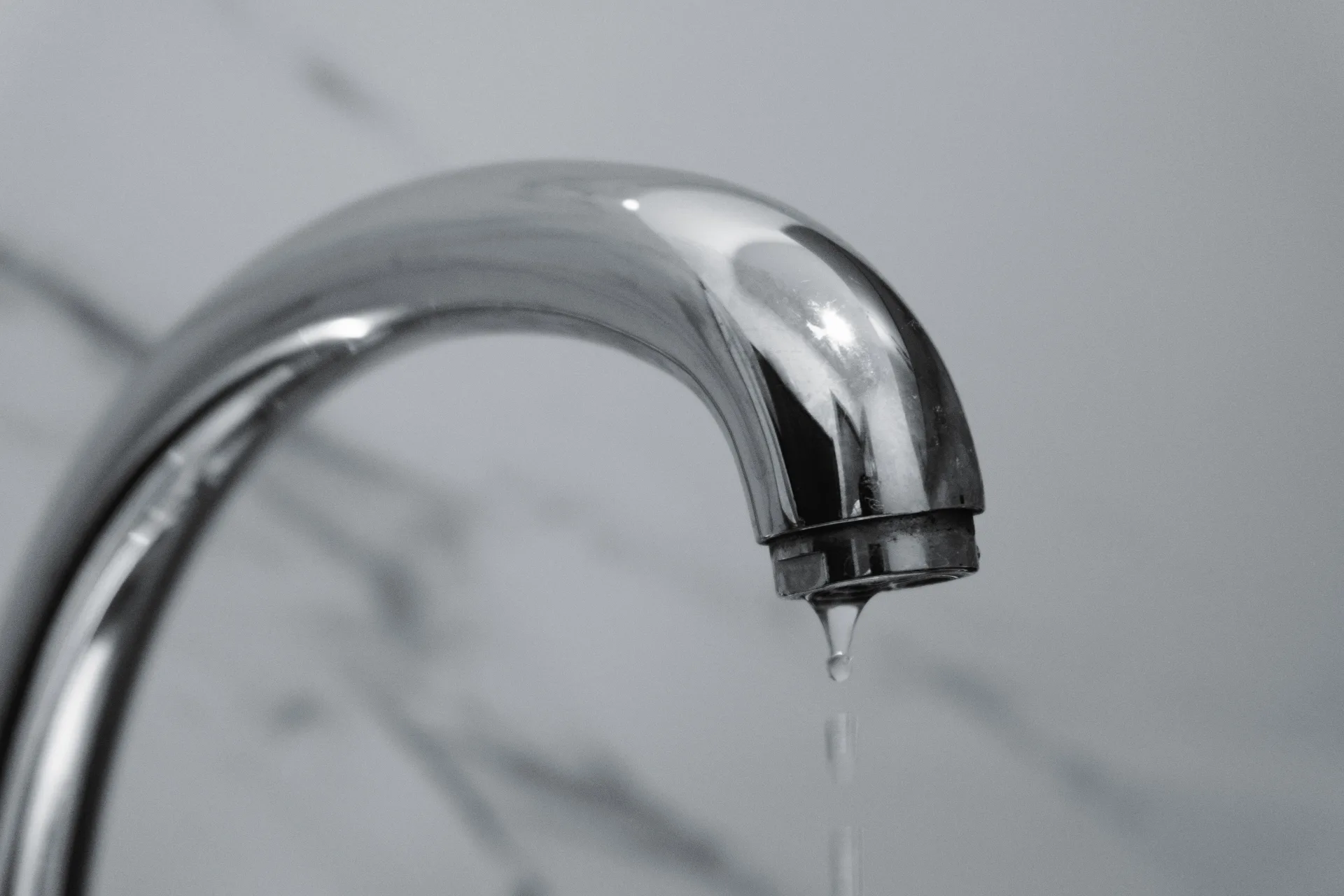
Most plumbing issues don't require middle-of-the-night intervention. A dripping faucet wastes water and might inflate your bill slightly, but it won't flood your house overnight. Low water pressure that's been consistent for months is annoying but not urgent. A toilet that runs constantly after flushing can usually wait for a next-day appointment.
Scheduled plumbing work also covers installations and upgrades. Replacing an old water heater before it fails, installing a new kitchen faucet, or upgrading bathroom fixtures all fall under regular service. Routine drain cleaning, water heater maintenance, and annual inspections help prevent emergencies but aren't emergencies themselves.
Minor leaks present a gray area. A small drip under the sink that you can catch with a bucket might hold until morning, especially if you can shut off the fixture's supply valve. But if that drip becomes a steady stream, or you can't isolate it, the situation escalates. Use your judgment: can you safely contain it without active monitoring and without risking structural damage?
Cost Differences and What Drives Them
Emergency plumbers charge premium rates because they maintain 24/7 availability, often dispatching technicians from home in the middle of the night or on holidays. You're paying for immediate response, not just the repair itself. Many emergency services include trip fees or minimum charges that apply regardless of how quickly the problem gets fixed.
Rates typically spike during overnight hours, weekends, and holidays. The same repair that might cost a certain amount on Tuesday afternoon could run significantly higher at 3 a.m. on Sunday. This pricing structure reflects the reality of maintaining round-the-clock staffing and the premium professionals charge for disrupted personal time.
Regular plumbing appointments during standard business hours cost less because plumbers can schedule efficiently, batching jobs in the same area and working predictable shifts. You'll usually get a more accurate quote upfront since the plumber can assess the situation without time pressure. Some regular service providers offer free estimates or diagnostic visits, which emergency services rarely provide given the urgent nature of the call.
Before calling an emergency plumber, ask yourself: is the extra cost justified by the potential damage if I wait? For a burst pipe, absolutely. For a slow leak you've noticed for the first time on a Saturday evening, probably not.
Questions to Ask Before Hiring Either Type
For emergency calls, first confirm the plumber is actually available now, not "within 24 hours." Ask about their arrival timeframe and whether they charge differently for the current time versus regular hours. Find out if there's a minimum charge or trip fee, and whether they accept your preferred payment method since many require payment immediately upon completion.
Request confirmation of licensing and insurance over the phone. Legitimate emergency plumbers should be able to provide license numbers you can verify. Ask if the responding technician will be an employee or a subcontractor, which affects accountability and quality consistency.
For scheduled service, you have more time to gather information. Request detailed written estimates that break down parts and labor separately. Ask how long the job typically takes and whether the plumber guarantees their work. Inquire about their experience with your specific issue—someone who replaces water heaters weekly will work more efficiently than someone who does it occasionally.
Both emergency and regular plumbers should explain what they found and why they recommend specific solutions. Be wary of anyone who refuses to answer questions or pressures you into additional services without clear justification.
Red Flags That Apply to Both Services
Demands for full payment upfront, before any work begins, signal potential problems. Legitimate plumbers might require a deposit for expensive parts but won't ask for complete payment in advance. Similarly, anyone who only accepts cash or refuses to provide a receipt should raise concerns.
Vague estimates like "a few hundred dollars" or "I won't know until I open it up" without any range or breakdown suggest either inexperience or intentional ambiguity to justify price increases later. Good plumbers provide ballpark figures even when exact costs depend on what they discover.
High-pressure tactics don't belong in emergency or regular plumbing. Claims that you must decide immediately or that your entire system needs replacement based on a five-minute inspection often indicate someone prioritizing sales over honest assessment. Actual emergencies speak for themselves—plumbers don't need to manufacture urgency.
Unlicensed plumbers who assure you they're "just as good" but cheaper put you at risk legally and practically. If something goes wrong, you may have no recourse, and your insurance might not cover damage caused by unlicensed work.
Making the Right Call for Your Situation
When facing a plumbing problem, take 30 seconds to assess the situation honestly. Is there active water damage occurring right now? Can you safely shut off water to the affected area using fixture valves or your main shut-off? Will waiting 12 hours significantly worsen the problem or create health hazards?
If you answered yes to active damage or health hazards, call an emergency plumber. If you successfully isolated the problem and it can hold safely overnight or through the weekend, schedule regular service and save the premium emergency fees for actual emergencies.
Many homeowners waste money calling emergency services for non-emergencies out of panic, while others delay true emergencies trying to save money and end up with far costlier damage. Understanding the distinction helps you respond appropriately and protects both your home and your budget.
Looking for a qualified plumber who can help with emergency repairs or scheduled maintenance? Post your request on RippleQuest and get matched with licensed plumbing professionals in your area who can respond to your specific needs and timeline.