
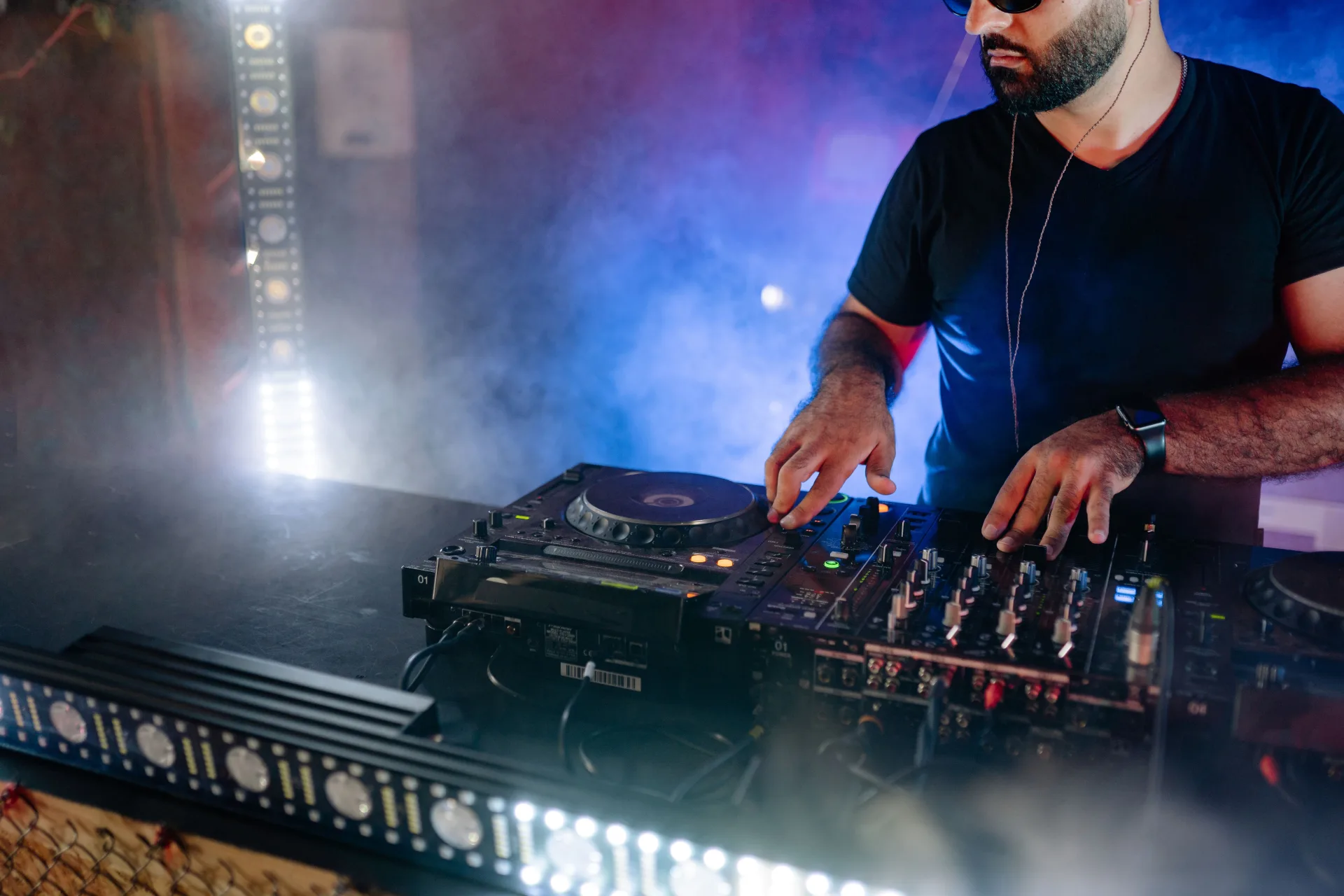
Wedding DJ costs range from $600 to $3,000+ depending on experience, event length, and included services. Here's how to budget for your celebration.
Wedding DJ costs typically range from $600 to $3,000 or more, with most couples paying between $1,000 and $2,000 for a professional to handle music and emceeing duties for four to six hours. The final price depends heavily on the DJ's experience level, your event's duration and complexity, the equipment setup required, and any add-on services like lighting, photo booths, or ceremony sound.
What Drives Wedding DJ Pricing
Experience matters significantly in DJ pricing. A newer DJ building their portfolio might charge $600 to $1,000 for a standard reception, while a seasoned professional with hundreds of weddings under their belt and a strong local reputation typically commands $1,500 to $2,500 or more. The difference isn't arbitrary—experienced DJs read crowds better, handle equipment issues on the fly, and know how to navigate the timeline of a wedding reception without needing constant guidance.
Event duration directly impacts cost. Most DJs price by the hour after an initial package. A four-hour reception package might run $1,200, with additional hours at $150 to $300 each. If you need ceremony sound, cocktail hour music, and a full reception, expect to pay for six to eight hours of coverage. Some DJs offer discounted rates when you book them for the full day rather than piecing together separate time blocks.
Equipment and services included in the base package vary widely. A basic setup includes two speakers, a mixer, microphones for toasts, and the DJ's music library. Upgraded packages often add uplighting to transform your venue's ambiance, wireless microphones for ceremony vows, dance floor lighting effects, or a monogram projection. Each addition typically adds $100 to $500 to the total cost. Ask exactly what's included before comparing quotes—a $1,000 package with full uplighting may offer better value than a $900 package with only basic speakers.
Pricing Breakdown by Wedding Event Type
Intimate weddings with 50 or fewer guests and a three- to four-hour reception often fall on the lower end of the pricing spectrum, from $600 to $1,200. These events require less powerful sound systems, and many DJs view them as simpler affairs that don't demand the same crowd management as larger celebrations.
Standard weddings with 75 to 150 guests and a four- to six-hour reception represent the most common booking. Expect to pay $1,000 to $2,000 for a competent professional who will handle introductions, coordinate with your photographer and venue, manage the timeline, and keep guests on the dance floor. This price range usually includes ceremony sound if needed, basic uplighting for 8 to 12 fixtures, and a planning meeting or two before your event.
Large or luxury weddings with 200-plus guests, extended hours, or premium venues command top-tier pricing. These events often require $2,000 to $3,500 or more, especially when you factor in sophisticated lighting packages, multiple sound zones for ceremony and reception areas, live musicians integrated with DJ sets, or specialty requests like silent disco equipment. High-end DJs in competitive markets bring not just equipment but a polished presentation, backup gear, and often an assistant to ensure flawless execution.
Add-Ons and Hidden Costs to Anticipate
Travel fees apply when your venue sits outside the DJ's normal service area. Many DJs include travel within 30 to 50 miles in their base rate, then charge $0.50 to $1.50 per mile beyond that, or a flat fee of $100 to $300 for distant locations. Confirm this upfront if your venue isn't local.
Overtime charges kick in when your reception runs long. Most contracts specify an hourly overtime rate—often higher than the prorated package price—so build buffer time into your budget if your event might extend past the contracted hours. Late-night rates can jump to $200 to $400 per hour for the DJ to stay beyond midnight.
Multi-location setups add cost and complexity. If you want the same DJ to provide ceremony sound at a church, cocktail music at a separate garden, and reception entertainment at a third venue, expect to pay for the extra setup time, equipment transportation, and logistical coordination. This can add $300 to $800 to your total.
Questions to Ask Before Booking
Clarify exactly what's included in the quoted price. Does it cover setup and breakdown time, or only the hours your event is active? Are wireless microphones included for toasts and speeches, or do those cost extra? What lighting comes standard, and what's an upgrade? A detailed line-item quote helps you compare apples to apples.
Ask about backup equipment and contingency plans. Professional DJs carry redundant gear—backup laptops, extra cables, spare microphones—because equipment failure at a wedding is unacceptable. If a DJ doesn't mention backups, that's a red flag.
Discuss music selection and how requests are handled. Some DJs want a detailed playlist from you; others prefer a list of must-plays, do-not-plays, and general genre preferences, then read the crowd in real time. Neither approach is wrong, but make sure the DJ's style matches your expectations. Will they take requests from guests? How do they handle the drunk uncle demanding "Uptown Funk" for the fifth time?
Confirm their emcee style and involvement in timeline coordination. Some DJs simply play music; others actively manage your reception flow, coordinating with caterers and photographers to ensure cake cutting, bouquet tosses, and first dances happen smoothly. If you want an active emcee who makes announcements and keeps energy high, make that clear and ensure they're comfortable in that role.
Red Flags and What Fair Pricing Looks Like
Be cautious of DJs who won't meet in person or over video before booking. Chemistry matters—you're trusting this person to set the tone for one of your most important events. A professional should want to understand your vision and personality before signing a contract.
Avoid DJs who can't provide references, video samples of actual events, or a clear contract. Verbal agreements and handshake deals leave you vulnerable. A proper contract specifies hours, services, equipment, contingency plans, payment schedule, and cancellation terms.
Extremely low prices often signal inexperience, insufficient equipment, or a side-hustle DJ who doesn't treat this as a serious business. That doesn't mean you need the most expensive option, but a $400 quote for a six-hour wedding should raise questions about what corners are being cut.
Fair pricing reflects the DJ's skill, the time invested beyond your event hours—planning meetings, music preparation, setup and breakdown—and the quality of equipment. A DJ charging $1,500 for a standard wedding typically spends 15 to 20 hours on your event when you account for all the behind-the-scenes work. That context helps explain why professional wedding DJ services cost more than a friend with a Spotify playlist and a Bluetooth speaker.
If you're ready to find the right DJ for your wedding, post your event details on RippleQuest and let qualified professionals in your area send you proposals. You'll get multiple options to compare, along with the information you need to make a confident decision for your celebration.