
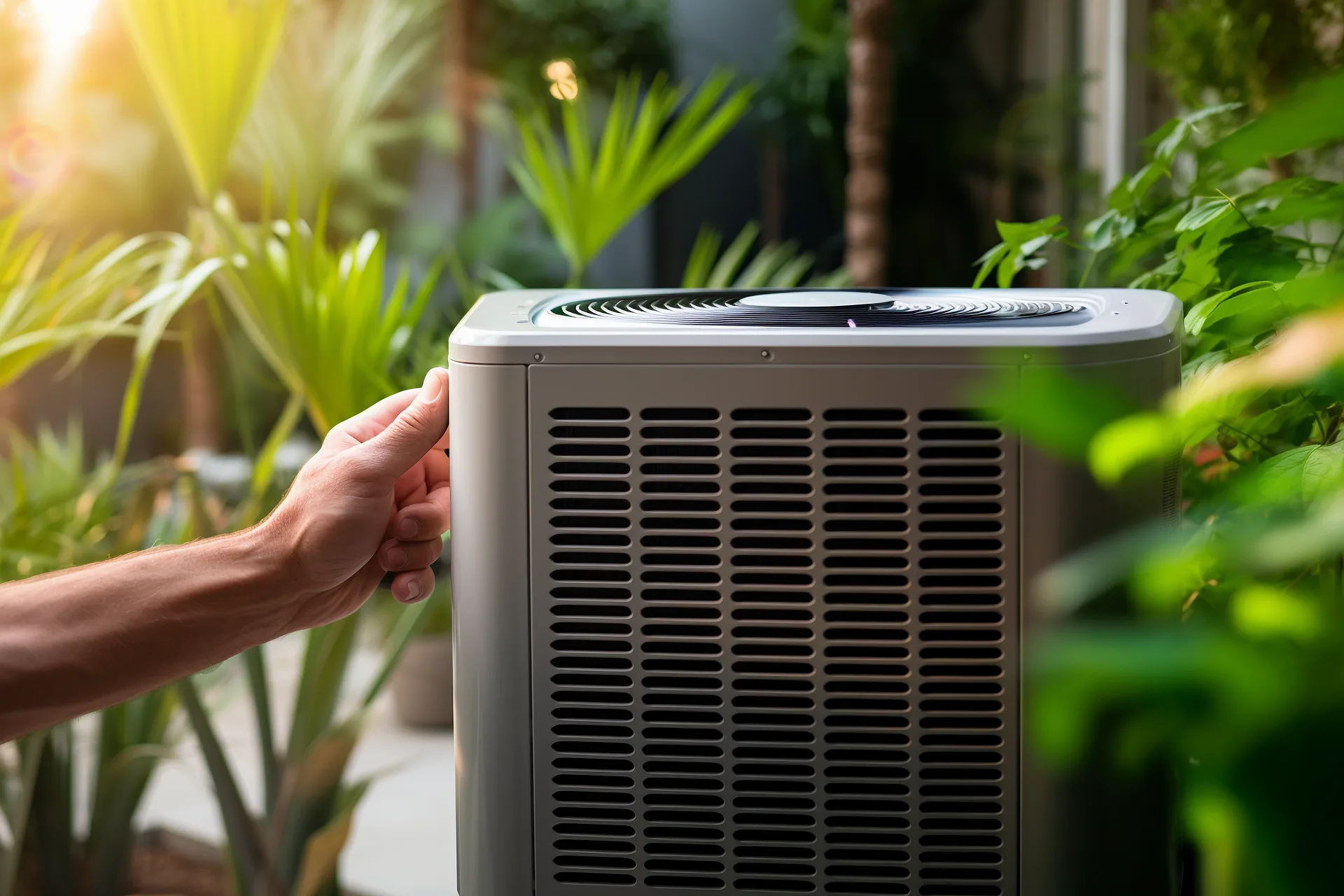
HVAC repairs range from simple fixes under $200 to major component replacements over $2,000. Learn what drives these costs and how to budget wisely.
Your air conditioner stops blowing cold air on the hottest day of summer, or your furnace won't fire up during a winter freeze. The question racing through your mind: how much is this going to cost? HVAC repairs vary dramatically depending on what's broken, how accessible it is, and whether you need parts replaced or just a tune-up. Understanding typical price ranges helps you budget realistically and recognize when a quote seems inflated or suspiciously low.
Common HVAC Repairs and What They Typically Cost
Refrigerant leaks and recharges are among the most frequent AC repair calls. A standard refrigerant recharge runs between $200 and $500, but if the system has a leak, expect to add $200 to $1,500 for leak detection and repair depending on location and severity. Older systems using R-22 refrigerant face steeper costs since that coolant was phased out and now commands premium prices when available.
Thermostat issues often seem minor but can range from $100 for a simple recalibration to $300 for replacing a programmable or smart thermostat, including installation. Capacitor replacements, which help motors start and run efficiently, typically cost $120 to $250. These small cylindrical components fail frequently but are relatively quick fixes for a qualified technician.
Blower motor repairs and replacements represent mid-range expenses. Repairing a motor might run $150 to $450, while full replacement climbs to $400 to $1,500 depending on the motor size and system complexity. Evaporator coil replacement sits at the higher end, generally between $600 and $2,000 including labor, because accessing the coil often requires significant disassembly.
Compressor replacement ranks among the most expensive repairs. A new compressor with installation typically costs $1,200 to $2,800, sometimes approaching the price of a full system replacement on older units. Heat exchanger cracks in furnaces also command premium pricing, often $1,000 to $2,500, and many technicians will recommend full furnace replacement given the labor intensity and age considerations when this component fails.
Factors That Drive Your Repair Bill Up or Down
Service call fees and diagnostic charges form the baseline before any repair work begins. Most HVAC companies charge $75 to $200 just to send a technician to diagnose the problem. Many will credit this fee toward the repair if you proceed, but always confirm that policy upfront.
Time of day and season dramatically affect pricing. Emergency service calls at night, on weekends, or during peak heating and cooling season can add 50% to 100% to standard rates. A $300 repair on a Tuesday afternoon might become a $600 call on Sunday evening. System accessibility matters too—an outdoor condenser unit at ground level costs less to service than an attic-mounted air handler requiring crawling through tight spaces.
Part availability influences both timeline and cost. Common components for popular residential systems are readily stocked, but older systems or commercial-grade equipment may require special-order parts that add days to the repair window and increase shipping costs. Brand and system age also play roles. High-efficiency or proprietary systems sometimes require manufacturer-specific parts that cost more than generic equivalents for standard units.
Red Flags and Questions to Ask Before Agreeing to Repairs
Be wary of technicians who diagnose expensive repairs without showing you the failed component or explaining what's wrong in clear terms. A legitimate professional should be able to demonstrate the problem, whether that's a visible crack, a meter reading outside normal ranges, or unusual sounds when components cycle on. Ask to see the damaged part after replacement when possible.
Get specific part numbers and labor hour estimates in writing before authorizing work. Vague quotes like "around $800 to fix it" leave too much room for surprise charges. A detailed estimate should break down parts, labor hours, and any additional fees separately. If a repair quote approaches 50% or more of a new system's cost and your equipment is over 12 years old, get a second opinion that includes replacement options for comparison.
Question any technician who immediately recommends full system replacement for what seems like a minor issue, or conversely, one who suggests repeated small repairs on a very old system without discussing long-term cost-effectiveness. Both scenarios suggest the technician's interests may not align with yours. Ask about warranty coverage on both parts and labor—reputable companies typically warranty repair work for at least 90 days to a year.
How to Avoid Overpaying and Budget Smart
Regular maintenance reduces emergency repair frequency significantly. Annual tune-ups costing $80 to $150 catch small issues before they cascade into expensive failures. During these visits, technicians clean components, check refrigerant levels, test electrical connections, and identify wear before parts fail completely.
Collect multiple quotes for major repairs, but compare more than just the bottom-line number. Evaluate what each quote includes, warranty terms, technician experience with your specific system type, and company reviews. The cheapest bid sometimes means corner-cutting on parts quality or rushed work that won't last.
Ask whether repair costs make sense given your system's age and expected remaining lifespan. A ten-year-old furnace might justify a $1,200 repair if it buys you another five years. That same repair on a twenty-year-old unit burning inefficiently might be throwing money into a losing proposition when a new, efficient system would pay for itself through lower utility bills.
Consider financing options for unexpected major repairs. Many HVAC companies offer payment plans, though interest rates vary. Sometimes a credit card with a promotional zero-interest period makes more financial sense than dealer financing. Just ensure you can pay it off before promotional rates expire.
When to Repair vs. Replace Your System
Industry professionals often reference the $5,000 rule: multiply the repair cost by your system's age in years. If the result exceeds $5,000, replacement usually makes better financial sense than repair. A $600 repair on a five-year-old system equals $3,000 by this metric, suggesting repair makes sense. That same $600 repair on a fifteen-year-old system equals $9,000, pointing toward replacement.
Energy efficiency improvements in modern systems also factor into this calculation. If your system is over 15 years old, a new high-efficiency model might cut cooling and heating costs by 20% to 40%, offsetting the replacement investment over time through lower monthly bills. Frequent repairs, even small ones, signal a system near the end of its useful life—paying $300 here and $450 there adds up quickly over a season.
Ready to get your HVAC system back to peak performance without overpaying? Post your repair needs on RippleQuest and connect with qualified HVAC technicians in your area. Compare quotes, read reviews, and find a professional who can diagnose the issue and provide transparent pricing. Whether you need a quick fix or help deciding between repair and replacement, the right expert is just a request away.