
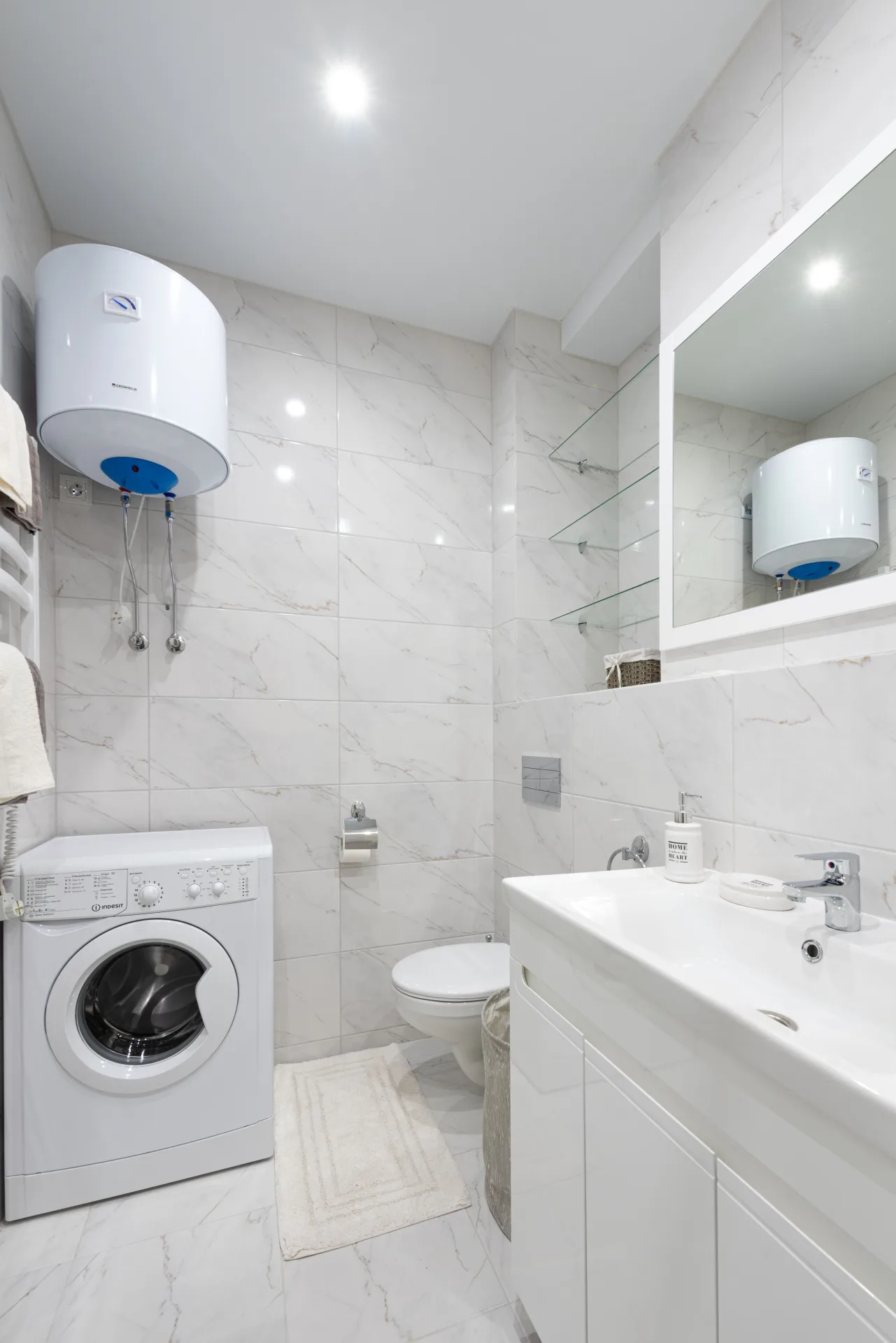
A complete breakdown of water heater replacement costs in 2024, including tank, tankless, and hybrid options, plus what drives labor prices.
Replacing a water heater is one of those home projects you can't postpone forever. When your morning shower turns ice cold or you notice water pooling around the base of your tank, you're looking at a replacement. Understanding the costs involved helps you budget appropriately and avoid surprises when you start getting quotes from plumbers.
Average Water Heater Replacement Costs by Type
The total price you'll pay depends heavily on which type of water heater you choose. A conventional storage tank water heater typically runs between $800 and $2,500 installed for a standard 40-50 gallon gas or electric unit. That includes both the equipment and professional installation by a licensed plumber.
Tankless water heaters cost significantly more upfront, usually between $1,500 and $4,500 installed. Gas tankless units tend to fall on the higher end because they often require additional venting work and sometimes gas line upgrades. Electric tankless models are generally less expensive to install but may require electrical panel upgrades if your home's current setup can't handle the load.
Hybrid or heat pump water heaters represent a middle ground at $1,800 to $3,500 installed. These units use electricity more efficiently than standard electric tanks, which can lead to lower energy bills over time, but they need adequate space and airflow to operate properly.
What Drives Labor and Installation Costs
Labor typically accounts for $500 to $1,500 of your total bill, but several factors can push it higher. A straightforward replacement where the plumber swaps an old tank for a similar new one in the same location costs less than a retrofit that requires running new gas lines, upgrading venting systems, or relocating the unit.
Switching fuel types adds complexity and cost. Converting from electric to gas means running a new gas line and installing proper venting, which can add $500 to $2,000 to the job. Going from gas to electric might require upgrading your electrical panel if you don't have enough capacity, another potential $1,000 to $2,500 expense.
Access matters more than many homeowners realize. A water heater tucked into a cramped crawlspace or a basement corner with narrow doorways takes longer to remove and install than one in a wide-open garage. Some plumbers charge more for difficult access situations, and rightly so. Permits and inspections, required in most jurisdictions, add another $50 to $500 depending on your local building department's fees.
Hidden Costs and Add-Ons to Expect
Most quotes should include removing and disposing of your old water heater, but confirm this upfront. Some plumbers charge $50 to $150 extra for haul-away if it's not standard practice in your area.
Code compliance upgrades often catch homeowners off guard. Your old water heater might have been grandfathered in under older rules, but new installations must meet current building codes. That could mean adding an expansion tank ($150-$300), upgrading the gas valve and flex line ($100-$250), installing a drain pan ($50-$150), or adding earthquake straps in seismic zones ($30-$100). These aren't optional upsells; they're legal requirements that protect your home and family.
Water treatment considerations come into play if you have hard water or other quality issues. A water softener installed ahead of your new heater can extend its lifespan substantially, but that's an additional investment. At minimum, expect to discuss anode rod upgrades or powered anode rods that combat corrosion more effectively than standard sacrificial rods.
Questions to Ask Before Hiring a Plumber
Don't accept the first quote without understanding exactly what you're paying for. Ask whether the estimate includes all necessary permits, inspections, code upgrades, and haul-away. Find out if the plumber warranties their installation work separately from the manufacturer's equipment warranty. Most reputable professionals offer at least a one-year labor warranty.
Verify licensing and insurance status before anyone starts work. A licensed plumber carries liability insurance and workers' compensation coverage that protects you if something goes wrong. Ask how long the installation will take and whether they'll need to shut off water to your entire house or just the heater area. For complex jobs, you might be without hot water overnight, so plan accordingly.
Discuss energy efficiency ratings if you're weighing different models. A plumber who takes time to explain Uniform Energy Factor (UEF) ratings and help you calculate potential energy savings over the unit's lifespan is providing real value, not just pushing the most expensive option.
Red Flags When Getting Quotes
Be wary of quotes that seem too good to be true. A bid significantly lower than others you've received might mean the plumber plans to cut corners, use inferior materials, or skip permit requirements. That bargain today becomes an expensive problem when you can't pass inspection or the installation fails prematurely.
Pressure tactics are another warning sign. A plumber who insists you must decide immediately or claims to have a special price only available today is probably not your best choice. Quality professionals are busy but patient, willing to give you time to compare options and make an informed decision.
Watch for vague estimates that don't break down equipment versus labor or list specific model numbers. You should know exactly which water heater you're getting, not just a generic size and fuel type. Detailed, written estimates protect both you and the contractor by setting clear expectations before work begins.
Get Matched with Qualified Plumbers Near You
Water heater replacement represents a significant investment in your home's comfort and functionality. The right plumber will guide you toward the best option for your household size, fuel availability, space constraints, and budget while ensuring everything meets code and performs reliably for years.
Ready to move forward? Post your water heater replacement project on RippleQuest and get matched with licensed plumbers in your area. You'll receive quotes from real professionals who understand local codes and pricing, making it easier to compare options and choose the right fit for your needs.