
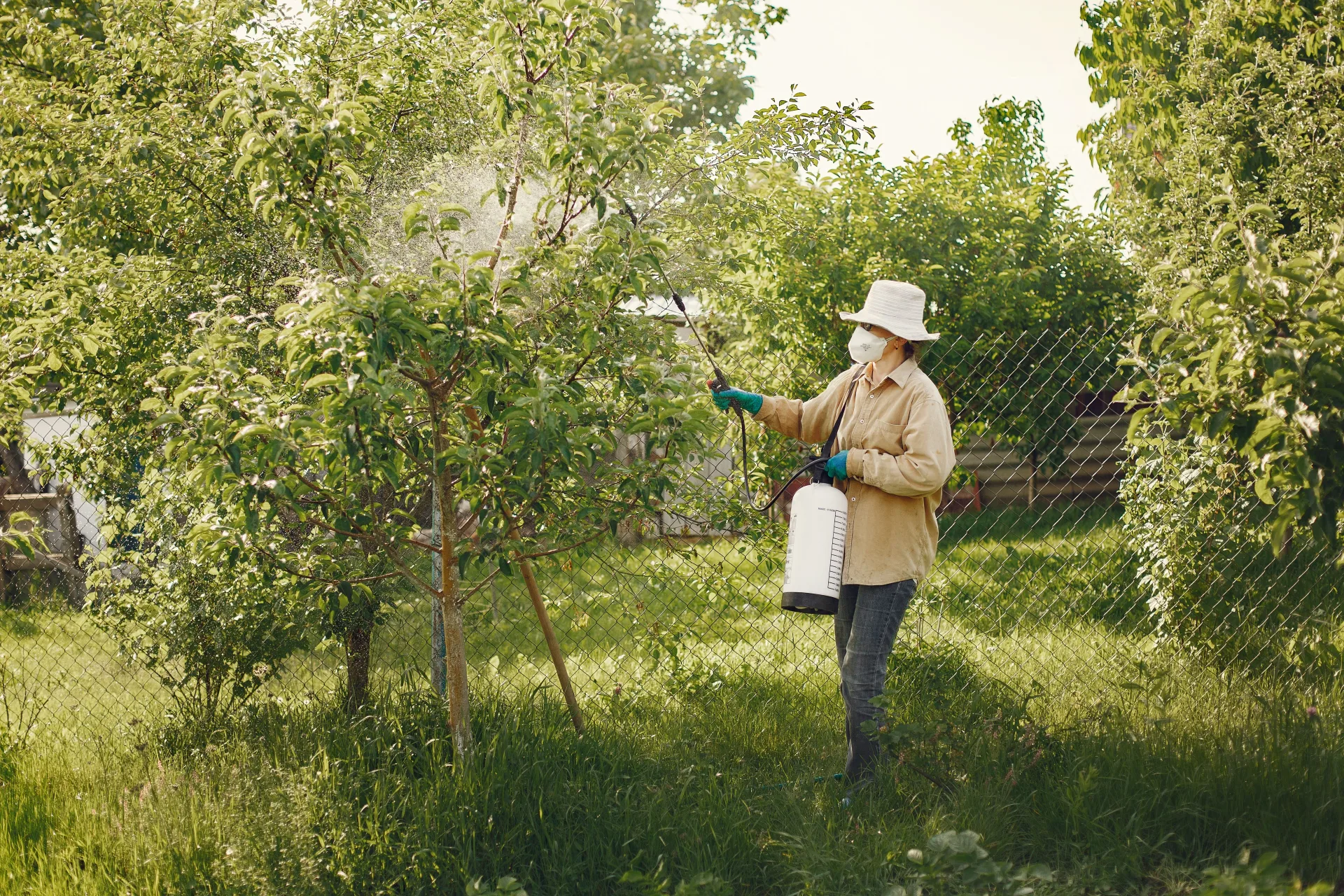
Pest control pricing varies widely by infestation type, property size, and treatment method. Here's what to expect in 2024.
Pest control pricing ranges from as little as $100 for a one-time ant treatment to several thousand dollars for whole-home termite fumigation. The dramatic variation depends on the type of pest, severity of infestation, treatment method, property size, and whether you need ongoing prevention or just a single visit. Understanding what drives these costs helps you budget appropriately and avoid overpaying for services you don't need.
Common Pest Control Pricing by Infestation Type
Ants and roaches typically cost $100 to $300 for an initial treatment of an average-size home, with quarterly maintenance plans running $75 to $150 per visit. These are among the most common household pests and the treatments are relatively straightforward—usually spray applications, baits, or gel treatments along baseboards, entry points, and problem areas.
Rodent control runs $200 to $600 for initial inspection, trap placement, and sealing entry points. The wide range reflects whether you have a single mouse in the garage versus a colony of rats in the attic. Exterminators will set multiple traps, monitor them over several visits, and recommend exclusion work like sealing holes in your foundation or roof line. Expect to pay more if structural repairs are needed beyond basic sealing.
Bed bug treatment is one of the most expensive services, typically costing $1,000 to $2,500 for a moderate infestation in a three-bedroom home. Heat treatment, where the entire home is brought to temperatures that kill bed bugs at all life stages, tends to be more expensive than chemical treatments but often requires fewer repeat visits. Some companies charge per room rather than per home, so get clarity on the pricing structure before signing a contract.
Termite treatment varies enormously based on method. Liquid termiticide barrier treatments cost $1,200 to $2,500 for the perimeter of a typical home and last five to ten years. Bait station systems run $800 to $3,000 for installation plus annual monitoring fees. Whole-structure fumigation for drywood termites can reach $2,000 to $8,000 depending on home size, and requires you to vacate the property for several days.
One-Time Treatment vs. Ongoing Service Plans
A single service call addresses an active problem but doesn't prevent future infestations. For occasional issues like a wasp nest or a few ants after a rainy week, one-time treatments make sense. You pay once, the problem is resolved, and you move on.
Quarterly or monthly service plans cost more over time but provide continuous protection and early detection. Most plans include an initial intensive treatment followed by regular inspections and preventative applications. Expect to pay $300 to $600 annually for quarterly pest control covering general household pests. These agreements usually guarantee free re-treatment if pests return between scheduled visits, which provides real value if you live in an area with persistent pest pressure or have had recurring problems.
Ask whether the plan covers all common pests or just specific ones. Some companies exclude termites, bed bugs, and wildlife from standard plans, requiring separate contracts for those issues. Read the fine print about cancellation terms and whether pricing is locked in or subject to annual increases.
Factors That Increase Pest Control Costs
Property size directly affects pricing because larger homes require more product, more labor time, and more thorough inspection. A 3,000-square-foot house will cost significantly more to treat than a 1,200-square-foot condo, sometimes double or triple depending on the pest and treatment method.
Severity and location of the infestation matter considerably. Pests confined to the kitchen are easier and cheaper to treat than an infestation that has spread to multiple rooms, wall voids, or the attic. Difficult-to-access areas like crawl spaces, high ceilings, or dense landscaping increase labor time and may require specialized equipment.
The treatment method chosen affects price. Organic or low-toxicity treatments often cost 10 to 30 percent more than conventional pesticides due to the higher cost of materials and sometimes the need for more frequent applications. Heat treatments, fumigation, and physical exclusion work are labor- and equipment-intensive, driving up costs compared to chemical sprays.
Geographic location plays a role. Pest control in urban areas with higher overhead and labor costs tends to run more expensive than in rural regions. Certain pests are also more prevalent in specific climates—termites in the South, carpenter ants in the Pacific Northwest, scorpions in the Southwest—affecting both prevalence and local pricing norms.
What to Ask Before Hiring an Exterminator
Request a detailed inspection before agreeing to treatment. Reputable companies will visit your property, identify the pest species, locate harborage areas and entry points, and provide a written estimate that specifies exactly what will be done. Be wary of phone quotes that don't involve seeing your home—accurate pricing requires understanding the scope of the problem.
Ask what products will be used and whether they are safe for children, pets, and anyone with chemical sensitivities in your household. Good exterminators can explain the active ingredients, how they work, and what precautions you should take during and after treatment.
Confirm whether the quote includes follow-up visits. Many infestations require multiple treatments spaced weeks apart to break the pest's life cycle. A suspiciously low initial price may not include necessary return visits, turning a bargain into an expensive patchwork of add-on charges.
Understand the warranty or guarantee. Does the company offer free re-treatment if pests return within a certain timeframe? What are the conditions—do you need to maintain sanitation standards or keep up with recommended exclusion work? A clear guarantee indicates a company stands behind its work.
Red Flags and How to Avoid Overpaying
High-pressure sales tactics are a warning sign. Companies that push you to sign a multi-year contract on the spot or claim you must treat immediately to avoid disaster are often more interested in locking in revenue than solving your problem thoughtfully.
Vague estimates without a breakdown make it hard to know what you're paying for. Legitimate quotes itemize inspection, treatment, materials, follow-up visits, and any exclusion work separately. If a company refuses to provide this level of detail, look elsewhere.
Unusually low bids compared to competitors can indicate corners being cut—unlicensed technicians, diluted products, or rushed work that doesn't address the root cause. Pest control is skilled work that requires proper licensing, insurance, and quality materials. The cheapest option often becomes the most expensive when you have to hire someone else to fix incomplete work.
Ready to solve your pest problem without the guesswork? Post your request on RippleQuest and connect with licensed pest control professionals in your area. Describe your infestation, property details, and any treatment preferences, and receive responses from qualified exterminators who can provide accurate pricing and solutions tailored to your situation. Get matched with the right help today.