
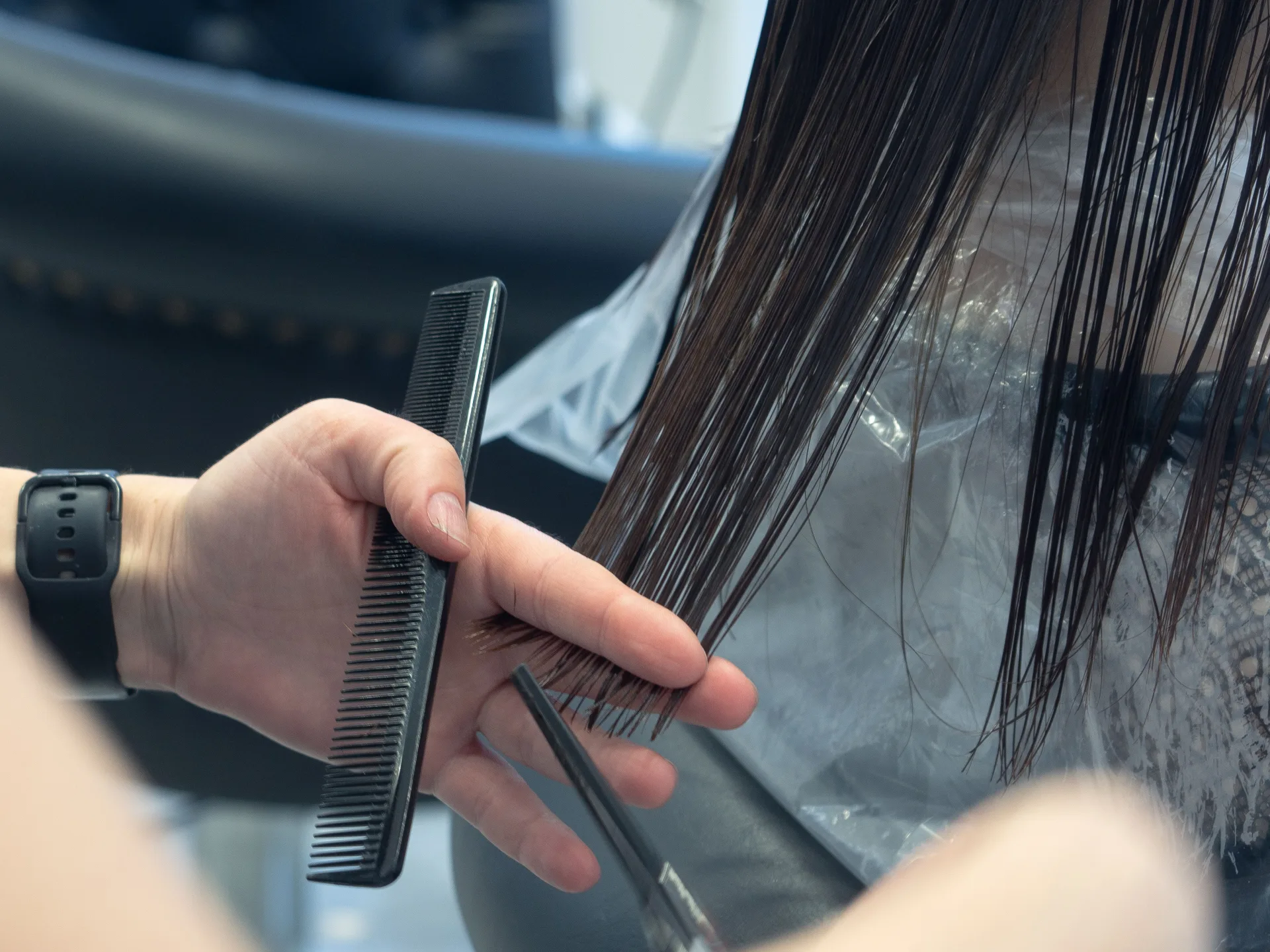
Finding a stylist who understands your specific hair type and texture is the difference between a great cut and months of frustration.
Not all hair stylists are trained equally when it comes to different hair types and textures. A stylist who excels at fine, straight hair may struggle with tight curls or thick, coarse strands. The wrong match can mean damaged hair, styles that fall flat within hours, or cuts that grow out awkwardly. Finding someone who genuinely understands your specific hair opens the door to healthier hair, easier daily styling, and cuts that actually work with your natural texture instead of fighting it.
Identify Your Hair Type and Texture First
Before you can choose the right stylist, you need a clear understanding of your own hair. Hair type typically refers to curl pattern, ranging from straight to wavy to curly to coily. Texture describes the diameter of individual strands—fine, medium, or coarse. Density is another factor: how much hair you actually have on your head, which can be thin, medium, or thick regardless of texture.
Many people with wavy or curly hair have been told their entire lives that their hair is "difficult" when the real issue was stylists who only knew how to work with straight hair. If you have type 3 or type 4 curls, coily hair, or very fine hair that requires volume techniques, you need someone who has specific training and regular practice with that hair type. A stylist who sees one curly client a month is not the same as one who works with curls daily.
Look for Specialized Training and a Relevant Portfolio
Ask potential stylists directly about their training. Techniques like the DevaCut for curly hair, razor cutting for fine hair, or methods for working with natural Black hair textures require specialized education beyond basic cosmetology school. A stylist who has invested in this training will typically mention it upfront because it's a point of pride and expertise.
Request to see photos of their work on clients with hair similar to yours. Most stylists maintain portfolios on Instagram or salon websites. Pay attention to whether the photos show a variety of hair types or mostly one. If you have thick, coarse hair and every photo shows beach waves on fine hair, that's useful information. The portfolio should demonstrate not just trendy styles but also clean cuts, healthy hair, and styles that appear to work with the hair's natural behavior.
During a consultation, bring photos of styles you like, but also ask the stylist what they recommend for your specific hair. Someone who understands texture will explain why certain cuts or styles will or won't work for you, rather than just agreeing to whatever you request.
Ask the Right Questions During Your Consultation
A consultation—whether by phone, in person, or even through messaging—gives you a chance to assess fit before committing to a full appointment. Ask how often they work with hair like yours. If you have natural curls, ask whether they cut hair dry or wet. Curly hair shrinks significantly when it dries, and many curl specialists insist on dry cutting so they can see the true shape and springiness.
Find out what products they use and recommend. A stylist who pushes a one-size-fits-all product line without considering your hair's needs may not have the depth of knowledge you're looking for. Ask about their approach to heat styling, chemical treatments, and color if those are relevant to you. Someone experienced with delicate or textured hair will discuss heat protectants, bond-building treatments, and realistic expectations for lifting or depositing color on your specific hair type.
Pay attention to how they listen. Do they ask questions about your routine, how much time you're willing to spend styling, and what frustrates you most about your hair? Or do they immediately start talking about what they want to do without understanding your goals and lifestyle?
Red Flags to Watch For
If a stylist dismisses your concerns or tells you that you just need to "work with" your hair differently without offering specific techniques, that's a warning sign. Vague advice like "use better products" without explaining what that means for your texture suggests surface-level knowledge.
Be cautious of stylists who seem uncomfortable or hesitant when you describe your hair type, or who immediately suggest chemical straightening or relaxing as the only solution. While chemical treatments are valid options when that's what you want, they shouldn't be the default answer to textured hair.
Another red flag: a stylist who refuses consultations or seems annoyed by questions. Hair is personal, and a good professional understands that a new client needs to feel confident before sitting in the chair. Rushing you into an appointment without understanding your needs often leads to disappointment.
Watch out for stylists who claim they can do everything for everyone. True expertise usually comes with some specialization. A stylist who is honest about their strengths—and occasionally refers clients to a colleague who might be a better fit—demonstrates integrity and realistic self-assessment.
Consider Location, Availability, and Long-Term Fit
Once you find someone who understands your hair, you want to be able to see them regularly. A brilliant stylist who's booked three months out or located an hour away may not be practical for consistent maintenance. Healthy hair and a good cut both require regular upkeep, so factor in how often you'll realistically be able to get appointments.
Some stylists work in traditional salons, others operate from suite rentals, and still others offer mobile services and come to you. The setting matters less than the skill and compatibility, but think about what environment makes you most comfortable. If you have sensory sensitivities or prefer a quieter experience, a solo suite might be better than a busy salon floor.
Build the relationship over time. Even the best first appointment is partly an experiment as the stylist learns your hair's quirks. After two or three visits, they'll have a much better sense of how your hair responds to cutting, how it grows out, and what works for your routine. If the first cut is good but not perfect, and the stylist listens to your feedback and adjusts, that's often a better long-term fit than someone who nails it once but doesn't evolve with you.
Get Matched With Hair Stylists Who Understand Your Hair
Finding the right hair stylist for your specific type and texture doesn't have to mean scrolling through hundreds of profiles or booking expensive consultations with stylists who turn out to be the wrong fit. When you're ready to connect with professionals who have the training and experience your hair needs, post what you're looking for on RippleQuest and let qualified stylists come to you. Describe your hair type, texture, and what you're hoping to achieve, and get matched with real professionals in your area who specialize in exactly that.