
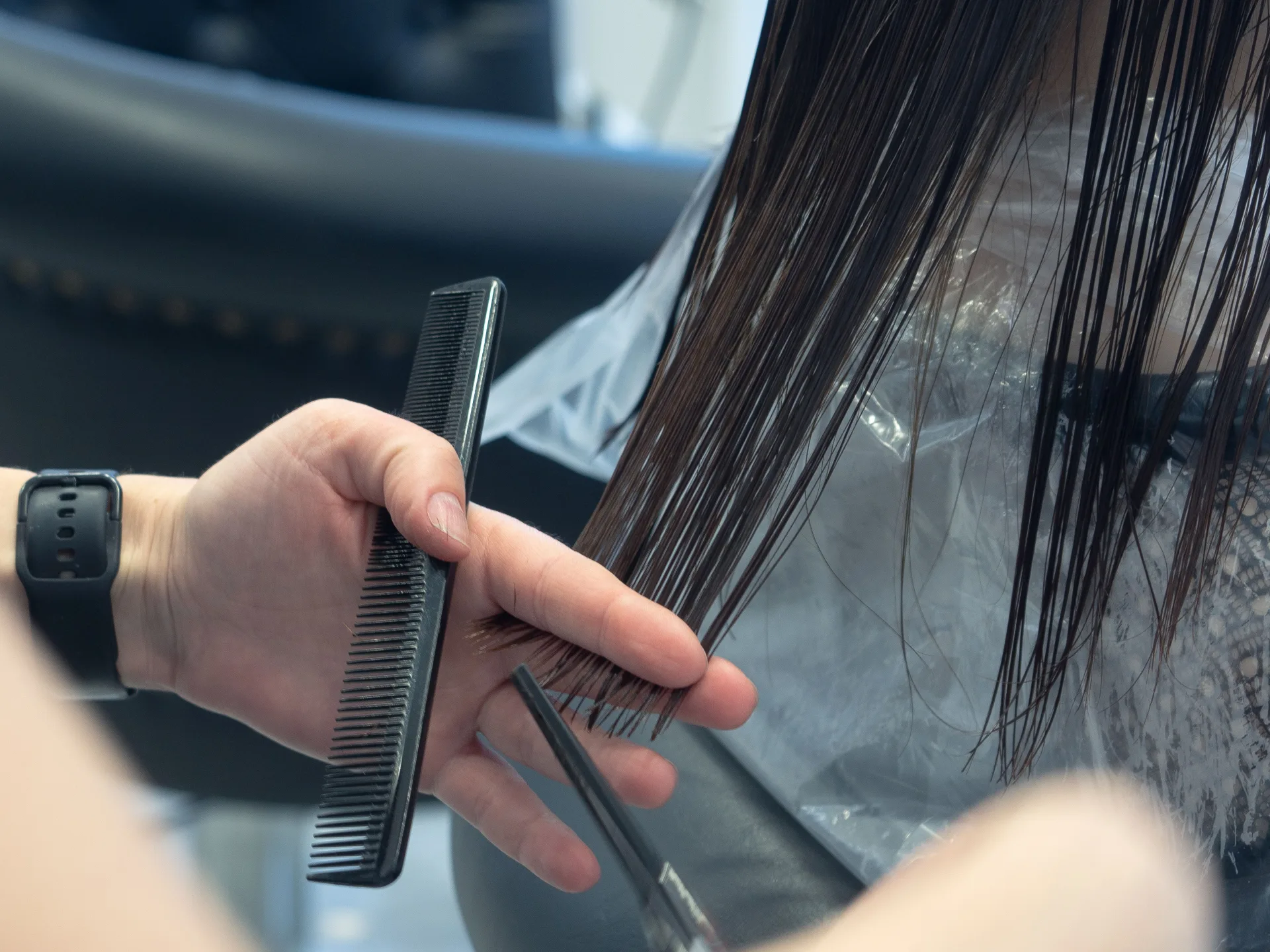
Your hair type deserves a stylist who truly understands its unique needs. Learn how to find the right professional for curly, coily, fine, or thick hair.
Your hair has a mind of its own, and finding someone who actually knows how to work with it can feel like searching for a needle in a haystack. Whether you've got tight coils that shrink to half their length when dry, fine strands that fall flat by noon, or thick waves that seem to defy every product on the market, the right stylist makes all the difference. A great cut or color on someone else's Pinterest board means nothing if the person behind the chair doesn't understand your specific texture, density, and growth pattern.
Why Hair Type and Texture Matter More Than Style Trends
Not all hair is created equal, and generic techniques rarely work across the board. Curly and coily hair types (3A through 4C on the curl pattern scale) require stylists trained in dry cutting or DevaCut techniques, because wet curls hang differently than dry ones. Cut curly hair while soaking wet using traditional methods, and you'll end up with uneven, triangle-shaped results once it dries and springs up.
Fine or thin hair demands precision cutting to avoid removing too much weight, which can make hair look even thinner. Stylists who understand this will use techniques like point cutting or texturizing only at strategic points, not hacking into your hair with thinning shears that create wispy, damaged ends.
Thick, coarse, or highly textured hair often needs weight removed in specific areas to prevent that dreaded pyramid shape, but done incorrectly, aggressive thinning leaves you with frizz and breakage. A skilled stylist knows where to reduce bulk without compromising the hair's natural protective structure.
Examine Their Portfolio for Hair Like Yours
Most stylists maintain portfolios on Instagram, Facebook, or their salon websites. Don't just look for pretty pictures. Scroll through and count how many clients have hair that actually resembles yours in texture, density, and curl pattern. If you have 4C coils and every photo shows loose beach waves on fine hair, that's a clear sign this stylist may not have the experience you need.
Pay attention to before-and-after shots. Do the "after" photos show hair that looks healthy, with definition and shine appropriate to that texture? Or do you see heat damage, overly thinned ends, or styles that required so much product and manipulation they wouldn't be sustainable for everyday wear?
Look for variety in the work. A stylist who only posts one type of cut or color on one hair type hasn't demonstrated range. You want someone whose portfolio shows they can adapt techniques to different textures, not someone who applies the same approach to everyone who sits in their chair.
Ask These Specific Questions During Consultation
The consultation is your chance to gauge whether a stylist truly understands your hair. Ask about their training in cutting your specific hair type. For curly and textured hair, inquire about certifications in Deva cutting, Rezo cutting, or other curl-specialist techniques. For fine hair, ask how they approach maintaining volume and body. For thick or coarse hair, ask about their strategy for removing weight without creating frizz.
Discuss products and maintenance. A stylist worth their salt will ask about your current routine, how much time you're willing to spend styling, and what tools you use at home. They should recommend techniques and products that fit your actual lifestyle, not assume you'll spend ninety minutes diffusing and styling every morning.
Ask them to explain their plan before they start cutting. A good stylist will talk you through why they're making certain choices: where they'll add layers, how they'll address any unevenness or damage, and what the hair will do as it grows out. If they can't articulate a clear plan or get defensive when you ask questions, walk away.
Red Flags That Should Make You Think Twice
Beware of stylists who insist on washing curly or coily hair before discussing what you want. Many curl specialists prefer to see hair in its natural dry state first to assess the actual curl pattern and where it needs shaping. If someone immediately pushes you to the shampoo bowl, they may not have curl-specific training.
Watch out for anyone who dismisses your concerns or talks over you about what your hair "should" be. Your hair is on your head every single day. If you've noticed it behaves a certain way or reacts poorly to certain products, that's valuable information, and a professional should listen.
Be cautious of stylists who use thinning shears aggressively or throughout your entire head. Strategic thinning has its place, but overuse creates uneven texture, breaks the hair shaft, and leads to frizz. The same goes for razors used on dry, textured hair—this can cause severe damage and breakage if not done by someone extremely skilled.
Skip anyone who guarantees your hair will look exactly like a celebrity photo if you have a completely different texture. A good stylist will explain what's achievable with your specific hair and what would require damage (like excessive heat or chemical treatments) to accomplish.
Consider Specialized Expertise Over Convenience
It might be tempting to book with whoever has the next available appointment, but the right stylist is worth the wait and the drive. Specialists in textured hair, fine hair, or curly cutting often book weeks or months in advance because they've built trust with clients who finally found someone who understands their needs.
Don't assume the most expensive stylist is automatically the best for your hair type, or that a newer stylist can't be excellent. Look at their actual work and training, not just their years in the industry or their price point. Some stylists with decades of experience were never trained in modern techniques for textured or curly hair, while newer professionals may have sought out specialized education from the start.
Mobile stylists and independent professionals working outside traditional salons can be excellent options, especially if they've built their business around a particular expertise. Evaluate them using the same criteria: portfolio, training, consultation approach, and client feedback.
Find Your Perfect Match
Choosing a stylist who genuinely understands your hair type isn't about luck. It's about doing your homework, asking the right questions, and trusting your instincts when something feels off. Your hair deserves someone who sees its texture as an asset to work with, not a problem to fight against.
Ready to connect with hair stylists in your area who have experience with your specific hair type and texture? Post your request on RippleQuest and get matched with qualified professionals who can give you the cut, color, or style your hair has been waiting for.