
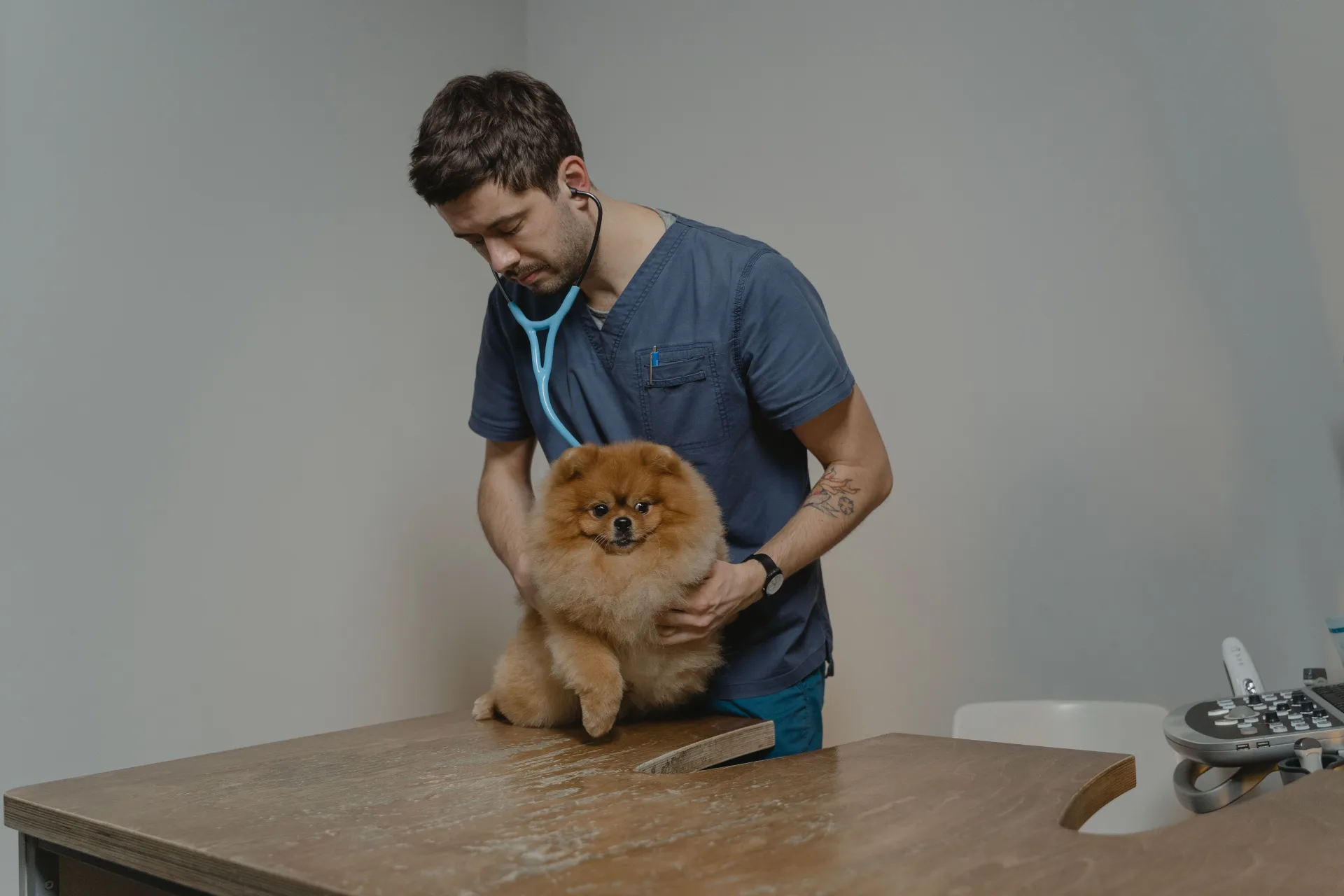
Build a referral program that turns happy pet owners into your most powerful marketing channel with these veterinary-specific strategies.
Word-of-mouth remains the most powerful driver of new clients for veterinary practices, yet most clinics rely on it passively rather than building a systematic approach. A well-designed referral program transforms satisfied clients from occasional advocates into an active, reliable source of growth. The difference between hoping people recommend you and creating a structured system that encourages and rewards referrals can mean dozens of additional clients each year.
Define Your Incentive Structure
The core of any referral program is what you offer clients who bring in new business. For veterinary practices, the incentive needs to feel valuable without creating financial strain or ethical complications. Many successful clinics offer a credit toward future services rather than cash, which keeps the transaction within the practice ecosystem and encourages return visits.
Common incentive options include a credit amount for each new client who completes their first visit, a percentage discount on the referrer's next service, or accumulating points that unlock tiered rewards. Some practices offer both the referring client and the new client a benefit, creating a win-win that makes the referred person feel welcomed rather than like they're part of a transaction. Whatever you choose, make sure the value is substantial enough to motivate action but sustainable for your practice economics.
Avoid incentives that could compromise medical judgment or create conflicts of interest. Referral rewards should never be tied to specific procedures or high-ticket services, only to bringing in new clients who become patients. Keep your program focused on growing your client base, not steering medical decisions.
Make Participation Easy and Clear
Even clients who love your practice won't participate in a referral program if they don't understand how it works or if the process feels complicated. Clarity starts with a simple explanation: who qualifies as a new client, what the referrer receives, what the new client needs to do, and how rewards are delivered.
Create a one-page handout or card that existing clients can give to friends, ideally with a unique code or way to track the referral back to them. Digital options work well too: a link they can text or email, or a simple form on your website where they enter their information and their friend's contact details. The fewer steps between intention and action, the more referrals you'll generate.
Train your front desk staff to mention the program at natural moments, particularly after positive interactions or when clients express satisfaction. A simple "We're so glad Max is doing well! Just so you know, if you have friends who need a vet, we have a referral program where both of you get a credit" plants the seed without feeling pushy. Display signage in your waiting room and exam rooms as visual reminders.
Time Your Outreach Strategically
Not all moments are equally good for asking clients to refer others. The best time is shortly after a positive experience: a successful surgery, a diagnosis that brought relief, or simply a routine visit where the client felt heard and their pet was well cared for. These emotional high points make people naturally want to share their experience.
Build referral program reminders into your follow-up communications. After a procedure, include a note in your post-care email or text thanking them for trusting you with their pet's health and mentioning that referrals are how you grow. Annual wellness visit reminders are another good touchpoint, since they reach clients who are already engaged and thinking about your practice.
Consider seasonal campaigns where you highlight the program more prominently. Back-to-school season when families are settling into routines, or New Year when people make resolutions and lifestyle changes, can be natural moments when pet owners are talking to friends about their choices and habits. A targeted email or social media push during these windows can generate a spike in referrals.
Track Results and Adjust
A referral program only works if you actually track who's participating and what results you're seeing. Create a simple system in your practice management software to flag referred clients and link them back to who referred them. This lets you fulfill rewards accurately and also measure whether the program is worth the investment of credits and administrative time.
Review your referral data quarterly. Which clients are your most active referrers? Often a small percentage of clients generate the majority of referrals, and recognizing these champions with extra appreciation or benefits can deepen their loyalty. Are certain types of services or client demographics more likely to refer? This insight can help you target your messaging.
Don't be afraid to tweak the program based on what you learn. If uptake is low, the incentive might not be compelling enough or the process might be too complex. If you're getting referrals but the new clients aren't converting to long-term patients, look at your onboarding and first-visit experience. The referral program is just the entry point; the quality of care keeps them coming back.
Recognize and Thank Your Advocates
Beyond the transactional incentive, personal recognition matters enormously. When a client refers someone, send a handwritten thank-you note or make a point to acknowledge them verbally during their next visit. People remember feeling appreciated, and that emotional connection often drives more referrals than the credit itself.
Some practices create a "Client Ambassador" tier for people who refer multiple new clients, offering them exclusive perks like priority scheduling, invitations to special events, or first access to new services. This gamification element appeals to your most engaged clients and gives them a sense of insider status that strengthens their bond with your practice.
Share success stories in your newsletter or on social media without violating privacy. A post like "We're grateful to the amazing clients who've helped us welcome 15 new pet families this month through referrals" celebrates participation without singling anyone out, and reminds others that the program exists and people are actually using it.
Expand Your Reach Beyond Your Current Client Base
While client referrals are your primary focus, consider how your program can extend into the broader community. Partner with complementary businesses like groomers, pet supply stores, dog trainers, or boarding facilities to cross-promote. They can mention your practice to their clients, and you can do the same, creating a referral network that benefits everyone.
Online visibility plays a role too. When you're ready to reach pet owners actively searching for veterinary services, a profile on a platform like RippleQuest connects you with people who are specifically looking for what you offer. Rather than waiting for referrals to trickle in, you receive direct client requests from people who need a veterinarian right now. Creating a free profile takes just minutes and puts your practice in front of potential clients the moment they're ready to choose a vet. It's a perfect complement to your referral program, ensuring you're capturing both word-of-mouth recommendations and active searchers.
A veterinary referral program isn't a set-it-and-forget-it tactic. It requires clear structure, consistent communication, genuine appreciation, and ongoing refinement. When done well, it turns your happiest clients into an extension of your team, bringing in new pet families who are pre-sold on your quality because someone they trust vouched for you. That trust is the foundation of a thriving practice, and a referral program is how you systematically build on it.