
Build a yoga instructor profile that converts browsers into booked sessions with the right photos, messaging, credentials, and client-focused details.
Your profile is often the first impression potential clients have of you as a yoga instructor. While your teaching skills matter most in the studio, your online presence determines whether someone even gives you a chance. A well-crafted profile does more than list credentials—it speaks directly to what prospective students are looking for and makes them feel confident reaching out.
Start With a Professional, Authentic Photo
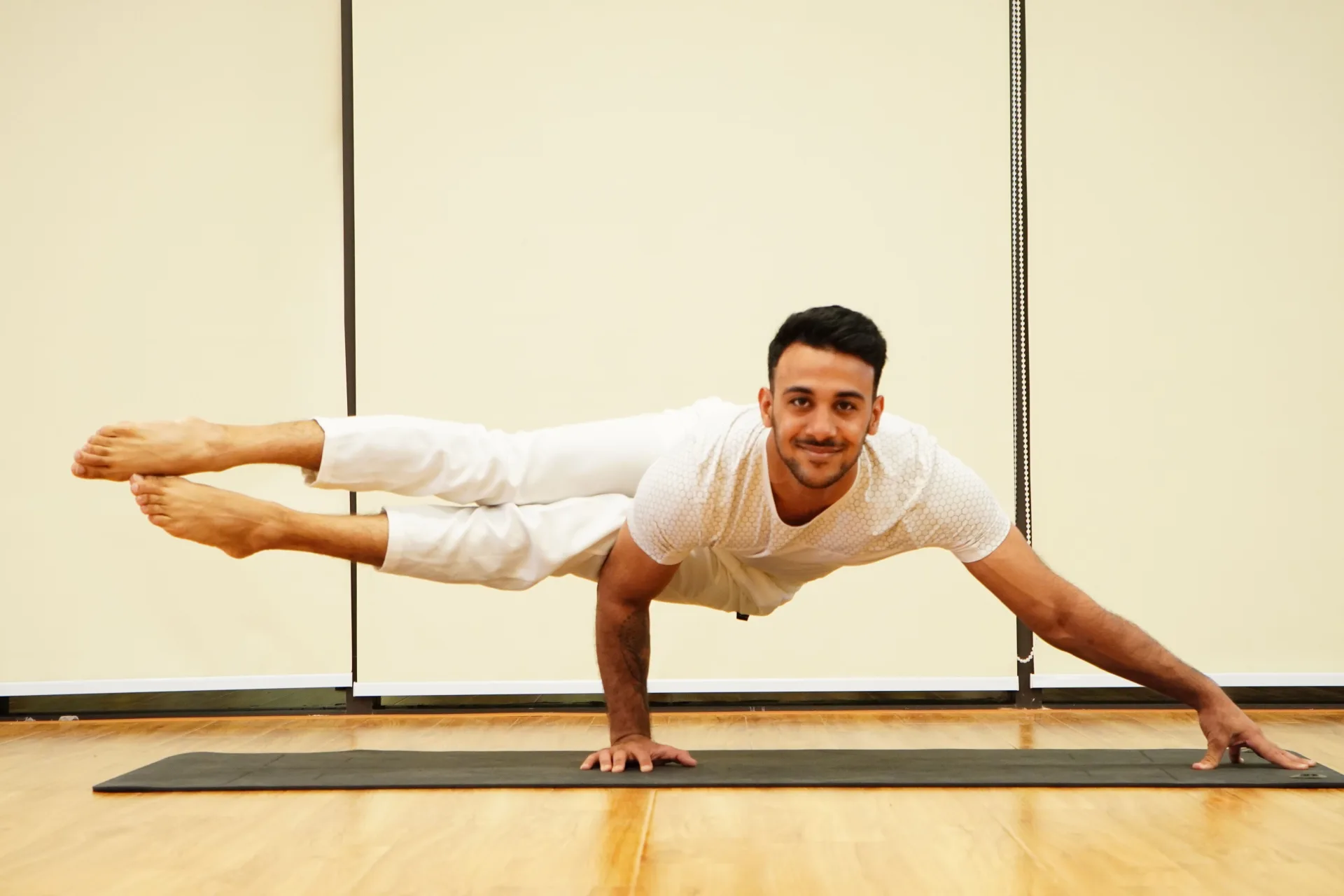
The right profile photo immediately communicates professionalism and approachability. Skip the generic studio headshot where you're in business attire. Instead, choose an image of you actually teaching or demonstrating a pose. It should be high-quality, well-lit, and show your face clearly. Potential clients want to see the person who will be guiding them through their practice.
Your photo should reflect your teaching style. If you specialize in gentle, restorative yoga, a serene image in a calming environment works well. If you teach power vinyasa or athletic flows, an action shot showing strength and energy fits better. Avoid overly filtered or heavily edited images. Authenticity builds trust, and people want to know they're seeing the real you.
Consider adding a second or third photo showing you working with actual students or demonstrating modifications. This gives potential clients a glimpse into what sessions with you actually look like and helps them visualize themselves in your class.
Write a Bio That Speaks to Client Needs, Not Just Your Journey
Many yoga instructors fall into the trap of writing bios that read like a chronological resume: where they trained, how many hours of certification they have, the workshops they've attended. While credentials matter, lead with what you offer students first.
Open with who you help and what results they can expect. For example: "I work with beginners who feel intimidated by traditional yoga classes, creating a judgment-free space where you can build strength and flexibility at your own pace." This immediately tells a nervous first-timer that you're the right fit.
After establishing what you offer, weave in your credentials naturally. Mention your 200-hour or 500-hour certification, specialized training in prenatal yoga or trauma-informed practice, or years of experience—but frame it as evidence of your ability to serve, not just accomplishments to list. Keep the bio conversational and direct. Write like you're talking to a potential student, because you are.
Be Specific About Your Teaching Style and Philosophy
Generic descriptions like "I teach mindful, holistic yoga" don't differentiate you from hundreds of other instructors. Get specific. Do you focus heavily on alignment and proper form? Do you incorporate pranayama breathing techniques throughout the class? Is your approach more spiritual and meditative, or athletic and fitness-focused?
Use concrete language. Instead of "I create a welcoming environment," try "I offer hands-on adjustments only with permission and always demonstrate modifications for injuries or limitations." Details like this help the right clients self-select and reach out.
Highlight Your Specialties and Ideal Clients
Not every yoga instructor serves every type of student equally well. Trying to appeal to everyone dilutes your message and makes you forgettable. Instead, clearly state your specialties and who benefits most from your teaching.
Are you trained in prenatal and postnatal yoga? Do you work specifically with seniors or people recovering from injuries? Do you teach corporate wellness sessions or kids' yoga? List these explicitly. Someone searching for a prenatal yoga instructor will scroll past generic profiles and immediately notice yours if you name that specialty upfront.
If you offer private sessions, small group classes, or virtual instruction, state that clearly. Many clients prefer one-on-one attention but don't realize it's an option unless you mention it. The same goes for clients looking for the accountability and community of group classes, or the convenience of online sessions they can take from home.
Include Practical Details That Remove Friction
When someone is ready to book, make it easy. Include information about your availability, the types of sessions you offer, and your service area or studio location. If you travel to clients' homes or teach at multiple locations, say so.
Mention what's included in a typical session. Do you provide mats and props, or should students bring their own? How long is a standard class? What should a first-time client expect? These practical details reduce uncertainty and make it easier for someone to take the next step.
If you're comfortable sharing a general rate structure—such as "individual sessions and package options available"—that helps set expectations. You don't need to list exact prices in a profile, but acknowledging that you offer flexible options can encourage inquiries from people worried about cost.
Use Client-Focused Language and Social Proof
Frame everything in your profile from the perspective of what the client gains, not what you do. Instead of "I have 10 years of experience teaching vinyasa flow," write "With a decade of teaching experience, I'll guide you safely through dynamic sequences that build both strength and calm."
If you have testimonials or positive feedback from students, weave in brief quotes or paraphrased sentiments. "Students often tell me they appreciate the clear cuing and the way I break down complex poses" is more compelling than "I am a clear communicator." Let the voices of satisfied clients do some of the selling for you.
Show, don't just tell. If you say you work with beginners, describe how you make classes accessible. If you emphasize inclusivity, mention the specific ways you adapt for different body types or abilities. Concrete examples carry more weight than abstract claims.
Keep Your Profile Updated and Active
A profile that looks stale or outdated raises red flags. If your certifications have been renewed, your availability has changed, or you've added new services or specialties, update your profile accordingly. An active presence signals that you're engaged and taking your business seriously.
Respond promptly to inquiries and requests. Even if someone isn't a perfect fit, a quick, courteous response leaves a positive impression and may lead to referrals. Potential clients notice when instructors are responsive and professional from the first interaction.
Start Connecting With Clients on RippleQuest
Building a strong yoga instructor profile takes effort, but the return is worth it. The right profile attracts students who resonate with your teaching style and are ready to commit. When you clearly communicate who you serve, what makes you different, and how you can help, you make it easy for the right clients to find you.
Ready to put your profile to work? Join RippleQuest and create a free profile that connects you with people actively searching for yoga instruction in your area. Set up your profile once and start receiving client requests directly—no chasing leads or competing in a crowded marketplace. Your next regular student might be searching for you right now.