
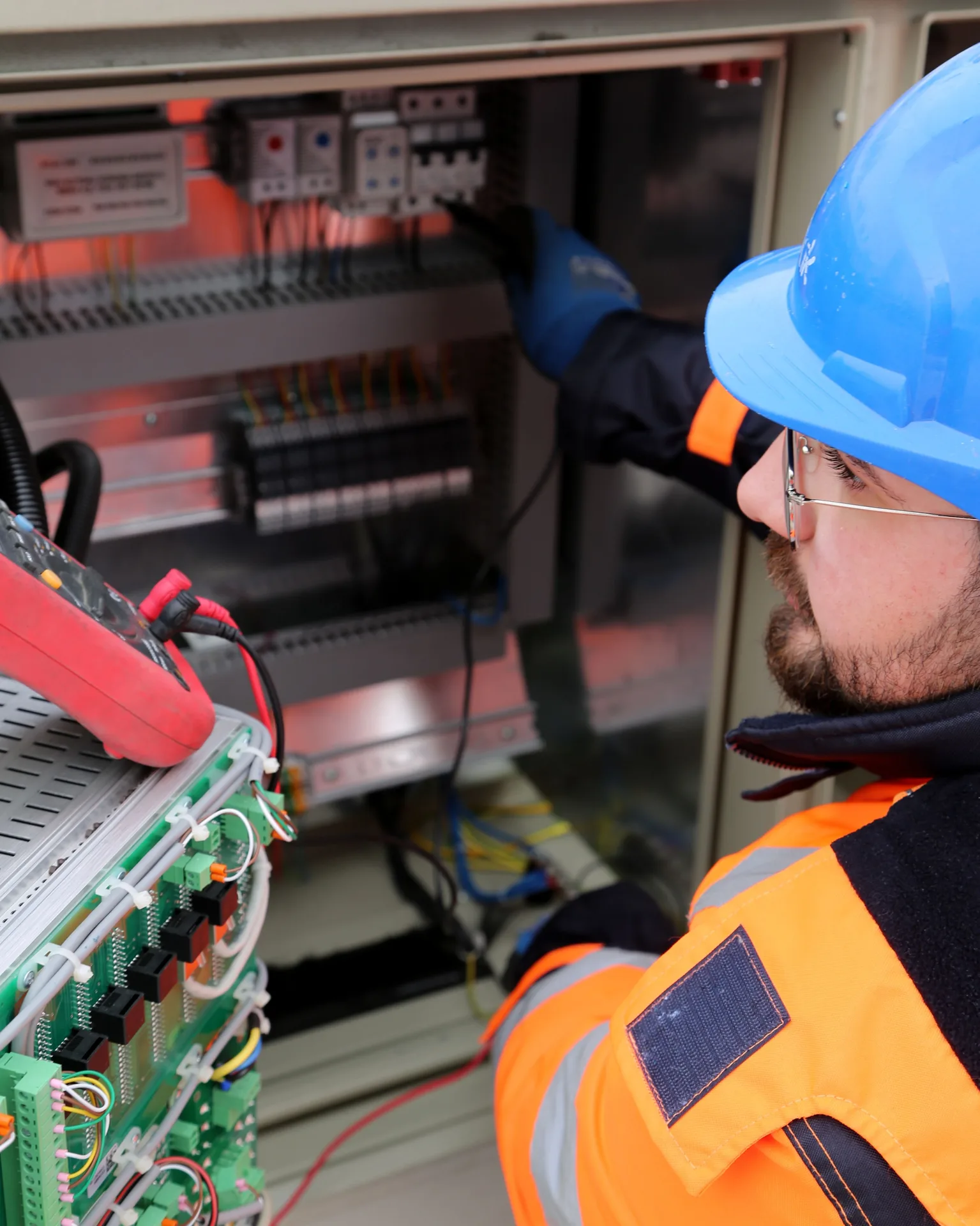
Choosing between licensed and unlicensed electricians affects safety, quality, and liability. Learn what credentials to verify before hiring.
Electrical work sits at the intersection of complex technical skill and serious safety risk. A faulty installation can smolder undetected inside a wall for months before sparking a house fire, and improper wiring can expose your family to electrocution hazards that won't be obvious until someone gets hurt. The electrician you hire determines whether your home's electrical system operates safely for decades or becomes a ticking time bomb.
The difference between a licensed electrician and someone without credentials goes far beyond a piece of paper on the wall. Licensing represents years of supervised training, demonstrated competency, verified insurance, and accountability to regulatory bodies that can investigate complaints and revoke credentials. Understanding what these distinctions mean in practical terms helps you make decisions that protect both your property and the people in it.
What a License Actually Represents
Electrical licensing requirements vary by state and municipality, but the basic framework remains consistent. A licensed electrician has typically completed thousands of hours of apprenticeship work under supervision, passed comprehensive examinations covering the National Electrical Code and local regulations, and maintained required insurance coverage. Many jurisdictions distinguish between journeyman electricians, who can perform work under supervision, and master electricians, who can pull permits and operate independently.
This training matters because electrical systems involve constant problem-solving and code interpretation. The National Electrical Code runs over 800 pages and gets updated every three years. A licensed professional knows which wire gauge handles specific amperage loads, how to calculate voltage drop over distance, when ground-fault circuit interrupters are required, and how to identify aluminum wiring that needs special treatment. They've seen enough installations to recognize when an existing system was done incorrectly, even if it appears functional.
Licensing also creates accountability. Licensed electricians work under the authority of a state board or local agency that can investigate complaints, require corrective work, and suspend or revoke licenses for serious violations. That regulatory oversight means a professional has something tangible to lose if they cut corners or ignore safety standards.
The Real Risks of Unlicensed Work
Unlicensed electricians range from well-meaning handymen who dabble in electrical work to deliberately unscrupulous operators who undercut legitimate businesses. Some have genuine experience but choose not to pursue licensing to avoid insurance costs and regulatory scrutiny. Others lack fundamental knowledge but confidently tackle projects they don't understand.
The immediate risk involves work quality and safety. An unlicensed worker might not recognize that your home's older service panel can't safely handle the load from a new hot tub, or might install outlets in a bathroom without proper GFCI protection. These mistakes can create fire hazards or electrocution risks that won't become apparent until someone gets injured or property gets damaged.
Insurance and liability issues compound the problem. If unlicensed work causes a fire or injury, your homeowner's insurance may deny the claim because the work violated policy requirements for licensed professionals. You become personally liable for any injuries to the unlicensed worker on your property since they likely lack proper workers' compensation coverage. When you eventually sell your home, unpermitted electrical work discovered during inspection can derail the sale or force expensive corrections.
Local building codes require permits for most electrical work beyond simple repairs. Licensed electricians pull permits as a matter of routine, which triggers inspections that verify code compliance. Unlicensed workers typically skip permitting to avoid oversight, leaving you with unpermitted modifications that create legal and financial headaches down the road.
What Credentials to Verify Before Hiring
Start by confirming the electrician holds an active license in your jurisdiction. Most states and cities maintain online databases where you can verify license numbers and check for disciplinary actions. Ask for the license number upfront and look it up yourself rather than simply trusting a business card or website claim.
Insurance verification comes next. Request a certificate of insurance showing both general liability coverage and workers' compensation. Call the insurance company directly using a number you look up independently to confirm the policy remains active and covers the dates of your project. Some contractors carry expired policies or provide fraudulent certificates, and a quick verification call prevents expensive surprises.
Check how long the electrician has held their license and whether they've worked on projects similar to yours. A newly licensed journeyman might handle standard outlet installations competently but lack experience with complex service panel upgrades or whole-house rewiring. Ask specific questions about their experience with your type of project rather than accepting general assurances of competence.
References from recent customers provide insight beyond credentials. Contact at least two references and ask whether the work passed inspection on the first attempt, whether the electrician showed up when scheduled, and whether any problems emerged after project completion. Be wary of electricians who can't or won't provide verifiable references.
Red Flags That Signal Problems
Cash-only pricing that comes with a discount for avoiding a paper trail almost always indicates unlicensed work or tax evasion. Legitimate licensed electricians accept standard payment methods and provide detailed written estimates that break down labor and materials.
Resistance to pulling permits should end the conversation immediately. An electrician who suggests skipping permits to save time or money is advertising their willingness to ignore building codes and leave you exposed to liability. Permitted work costs slightly more upfront but protects your investment and ensures safety compliance.
Vague or incomplete estimates that don't specify materials, timelines, or payment schedules make it impossible to hold an electrician accountable. Professional estimates detail which fixtures and materials will be used, when work will occur, what permits are required, and what circumstances might trigger additional charges.
Pressure to start immediately without time for verification often indicates a contractor knows you'll discover problems if you check credentials or get competing bids. Legitimate professionals expect customers to do due diligence and won't rush you into decisions.
Making the Smart Choice
Licensed electricians typically charge more per hour than unlicensed workers, but that premium buys insurance, expertise, and accountability that unlicensed work can't provide. The cost difference narrows when you factor in permit fees, inspection compliance, and the peace of mind that comes from knowing your electrical system meets current safety standards.
For minor repairs like replacing a light fixture or outlet, the stakes might seem lower, but electrical work doesn't respect project size. Even simple tasks can reveal underlying problems that require expertise to address safely. A loose wire connection behind an outlet, for instance, might indicate broader issues with your home's wiring that only a trained eye would catch.
The long-term value of licensed work extends beyond immediate safety. Properly permitted and inspected electrical upgrades add documented value to your home and eliminate obstacles during future sales. Insurance claims get processed without questions about whether work met professional standards. You build a relationship with a professional who understands your home's electrical system and can provide reliable service for years.
Finding a qualified, licensed electrician doesn't require hours of research or dozens of phone calls. Post your project on RippleQuest and get matched with licensed professionals in your area who can provide verified credentials, detailed estimates, and the expertise your electrical work demands. Your home's safety deserves nothing less than proper professional service.