
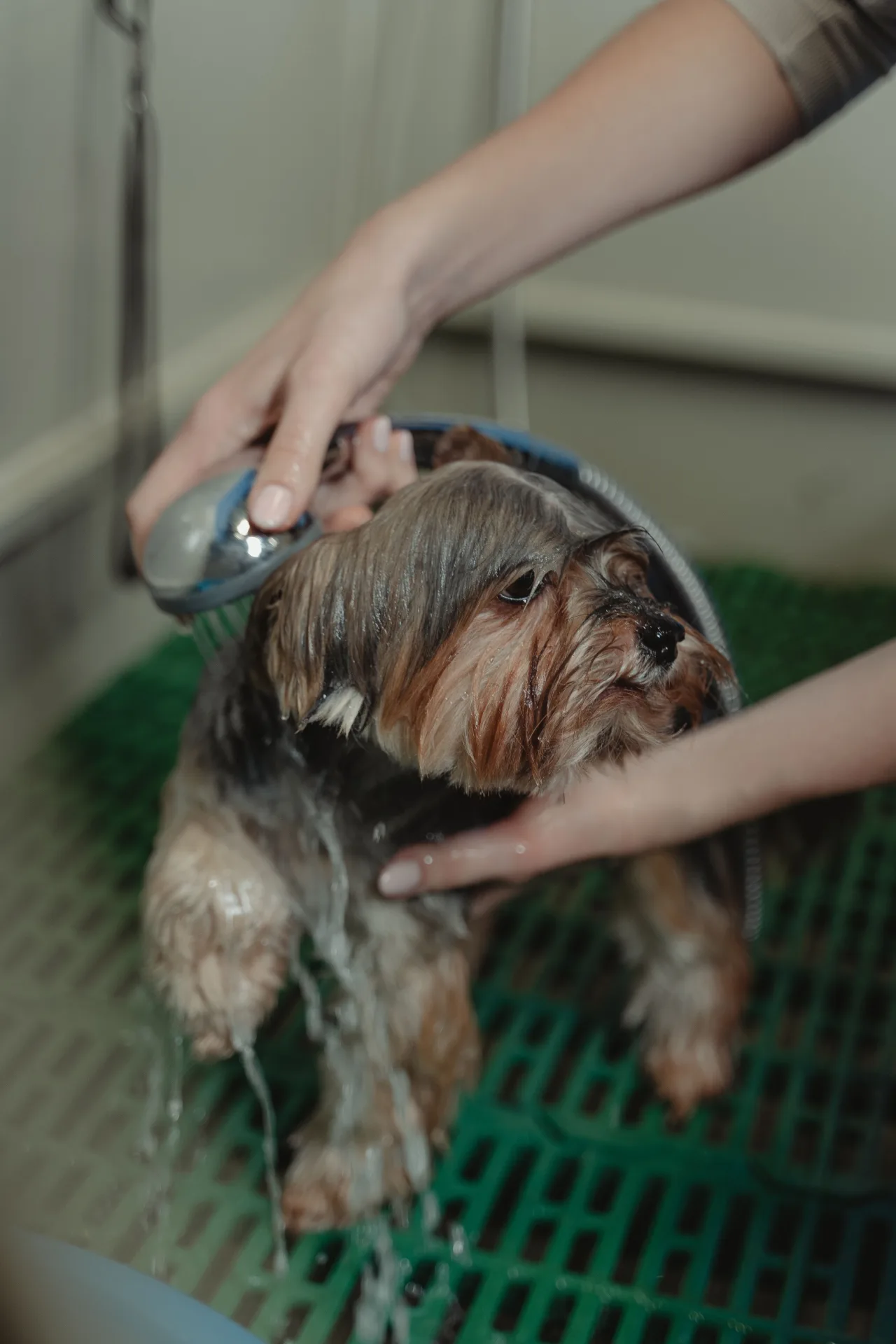
Mobile and salon grooming each offer unique benefits for anxious pets. Discover which environment suits your pet's stress triggers best.
If your dog shakes at the sight of clippers or your cat hides for hours after a grooming appointment, you're not alone. Many pets experience genuine anxiety during grooming, and the environment you choose can make a significant difference in their stress levels. The decision between mobile grooming services that come to your driveway and traditional salon settings isn't just about convenience—it's about understanding what triggers your pet's fear and how each option addresses those specific concerns.
Why Environment Matters for Anxious Pets
Anxiety in pets during grooming typically stems from one or more triggers: unfamiliar surroundings, separation from their owner, the presence of other animals, loud noises, or the grooming process itself. A pet who remains calm at home might panic in a busy salon filled with barking dogs and the hum of multiple dryers. Conversely, some pets actually do better with the structure and routine of a professional salon environment once they've had a few visits to acclimate.
The key is identifying your pet's specific stressors. Does your dog become anxious during car rides? Does your cat get agitated around other animals? Is your pet more relaxed with you nearby, or does your presence sometimes make them more protective and difficult to handle? Honest answers to these questions will guide you toward the right choice.
The Case for Mobile Grooming
Mobile groomers bring a fully equipped van or trailer to your home, typically working with one pet at a time in their mobile unit. For truly anxious animals, this setup offers several distinct advantages.
The elimination of car travel removes a major stressor for many pets. Dogs who associate car rides with vet visits or cats who howl through every minute of transport can walk from your door to the grooming van without that traumatic journey. The groomer also works exclusively with your pet during that appointment block, meaning no barking dogs in adjacent kennels or competing smells and sounds.
Many mobile groomers specialize in anxious or senior pets precisely because the one-on-one attention allows them to work at the animal's pace. If your dog needs frequent breaks or your cat requires extra time to settle before handling, a mobile groomer can adjust their schedule without the pressure of other appointments stacking up in a waiting room.
The downsides? Mobile grooming typically costs more per session—often 20 to 40 percent higher than salon rates—because you're paying for the convenience and dedicated time. Availability can also be more limited, especially in rural areas. If your pet has a grooming emergency or you need a last-minute appointment, mobile groomers may be booked out for weeks.
When a Salon Setting Works Better
Traditional grooming salons aren't inherently more stressful for every anxious pet. Some animals actually benefit from the structure, routine, and socialization opportunities that a professional facility provides.
If your pet's anxiety stems primarily from the grooming process itself rather than the environment, a salon with experienced staff who handle dozens of nervous animals weekly may have techniques and tools that help. Many salon groomers are skilled at desensitization, using calming sprays, anxiety wraps, or gentle restraint methods that keep pets safe while reducing panic.
Salons also offer the advantage of drop-off appointments. While it might sound counterintuitive for an anxious pet, some animals actually relax more when their owner isn't hovering nearby. Dogs can pick up on owner anxiety, and your nervous energy in the mobile van's small space might amplify rather than soothe your pet's stress.
Cost is another practical consideration. Salon grooming is generally more affordable and offers greater scheduling flexibility. If your budget is tight or you need regular grooming every four to six weeks, the price difference adds up quickly over a year.
The main drawback is the presence of other animals and the bustling atmosphere. Even well-managed salons have noise, activity, and the stress of crate time if your pet must wait before or after their appointment. For pets with severe anxiety or aggression toward other animals, this environment can be genuinely harmful.
Questions to Ask Before You Book
Regardless of which route you're leaning toward, certain questions will help you identify groomers who truly understand anxious pets versus those who simply claim to.
Ask how they handle a pet who becomes too stressed mid-groom. A good answer involves stopping the session, giving the animal a break, and potentially splitting the grooming across multiple shorter appointments. Red flags include groomers who insist they can groom any pet regardless of behavior or who mention sedation as a first resort rather than a last option discussed with your vet.
Find out what their experience is with your pet's specific breed and temperament. A groomer who regularly works with anxious cats will have very different techniques than one whose clientele is primarily cooperative golden retrievers. Ask if they're willing to do a meet-and-greet visit where your pet can sniff around the van or salon without any actual grooming taking place.
For mobile groomers specifically, ask how much time they allocate per appointment. If they're rushing through in 45 minutes, that may not leave room for the patience an anxious pet requires. For salons, ask whether your pet will be crated between services and for how long, and whether you can request a quieter time slot when fewer animals are present.
Trial Runs and Building Trust
Whichever option you choose, expect the first appointment to be exploratory. A responsible groomer working with an anxious pet may only accomplish a bath and nail trim on the first visit, saving the full haircut for a second session once trust is established.
Pay attention to how your pet behaves when they see the groomer again. Animals have excellent memories. If your dog pulls toward the mobile van or walks willingly into the salon on the second visit, that's a strong signal the experience wasn't traumatic. If your cat hides for two days before every appointment despite multiple sessions, it might be time to try the other approach or seek a groomer who specializes in feline fear-free techniques.
Some owners find success with a hybrid approach: using mobile grooming during stressful life periods or for major grooms, and quick salon visits for nail trims or sanitary clips. There's no rule that says you must commit to one method forever.
Finding a groomer who genuinely understands your pet's anxiety—whether they work from a van or a storefront—makes all the difference between a terrified animal and one who tolerates or even enjoys staying clean and well-groomed. If you're ready to connect with experienced pet groomers in your area who can discuss your pet's specific needs, post what you're looking for on RippleQuest and get matched with professionals who specialize in anxious animals. You'll hear directly from groomers who can explain their approach and help you decide whether mobile or salon services are the right fit for your pet.