
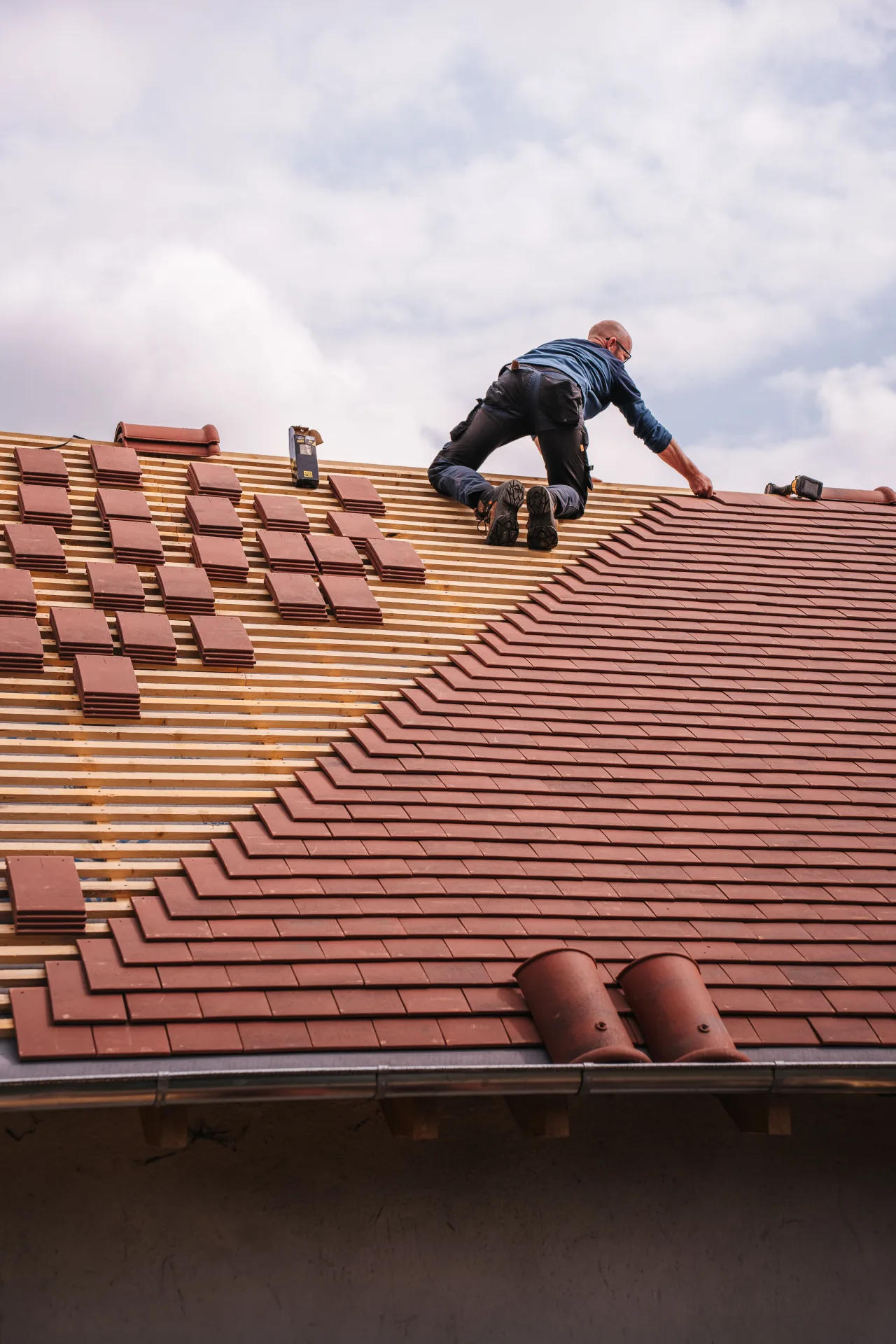
Discover ethical marketing strategies for roofing contractors after severe weather that build trust, comply with regulations, and grow your business sustainably.
Storm damage creates urgent roofing needs, and homeowners scrambling to protect their biggest investment need reliable contractors fast. The industry term "storm chasing" has earned a bad reputation because of fly-by-night operators who leave shoddy work and broken promises in their wake. But legitimate roofing contractors can and should respond to storm-damaged communities—the key is doing it ethically, transparently, and in ways that build long-term trust rather than quick cash.
Know the Legal and Regulatory Landscape
Before you deploy any post-storm marketing, understand the rules governing contractor solicitation in affected areas. Many municipalities enact temporary ordinances after major weather events that restrict door-to-door solicitation, require special permits for out-of-area contractors, or mandate specific disclosures on marketing materials. Violating these rules can result in fines, loss of licensure, and permanent damage to your reputation.
Some states require contractors responding to disaster areas to register with emergency management agencies or obtain temporary licenses. Others prohibit certain practices outright, such as offering to pay insurance deductibles or promising specific insurance settlements. Familiarize yourself with both your home state's requirements and those of any area you plan to serve. The National Roofing Contractors Association and state contractor licensing boards maintain updated guidance on disaster-area regulations.
Documentation matters more than ever after storms. Ensure your insurance, bonding, and licensing are current and easily verifiable. Homeowners dealing with insurance claims will scrutinize credentials carefully, and claims adjusters will reject work from improperly licensed contractors.
Lead With Education, Not Pressure
Homeowners who've just experienced storm damage are often overwhelmed, confused about insurance processes, and vulnerable to high-pressure tactics. The ethical approach is to position yourself as an educator first and a sales professional second.
Create content that genuinely helps people understand what happens next: how to document damage for insurance purposes, what their policy likely covers, the difference between emergency tarping and full replacement, and realistic timelines for repairs. Video walkthroughs showing common types of storm damage and explaining the inspection process build credibility without being pushy.
When you do make contact—whether through digital ads, community events, or yes, door-to-door canvassing where legal—offer a free inspection with no obligation and mean it. Walk homeowners through what you find, explain options clearly, and provide written estimates they can compare with other contractors. If the damage is minor or doesn't require immediate attention, say so. That honesty pays dividends in referrals and reputation.
Avoid creating artificial urgency. Statements like "we can only offer this price today" or "insurance won't cover this if you wait" are red flags that homeowners have learned to recognize. Real urgency exists after storms—additional water damage from delayed tarping, limited contractor availability—so stick to legitimate timelines.
Build Local Partnerships Before Disaster Strikes
Contractors who parachute into disaster areas with no local ties face automatic skepticism. Those who've invested in community relationships before storms hit have a significant advantage.
Establish partnerships with local insurance agents, real estate professionals, and property management companies in areas you're willing to serve. Sponsor youth sports teams, participate in home shows, and contribute to community organizations. When a storm hits an area where people already know your name, you're not a stranger capitalizing on misfortune—you're a trusted resource responding to community need.
If you're genuinely entering a new market after a storm, partner with established local businesses. Collaborate with a reputable local supplier, subcontract with area tradespeople, or work through referrals from local insurance adjusters who know the territory. These relationships provide credibility and help ensure you understand local building codes and permitting requirements.
Transparent Pricing and Contract Terms
Pricing becomes especially sensitive after disasters. Some contractors inflate estimates, knowing insurance will pay. Others lowball to win jobs quickly, then hit homeowners with change orders and upgrades mid-project. Both approaches erode trust industry-wide.
Provide detailed, itemized estimates that break down materials, labor, permits, and disposal costs. Explain what's included and what's not. If you discover additional damage during tear-off that wasn't visible from the ground, document it thoroughly with photos and explain the revised scope before proceeding.
Contract terms should be crystal clear about payment schedules, project timelines, warranty coverage, and what happens if insurance doesn't approve the full claim. Never ask for the full payment upfront—standard practice is a deposit to order materials, progress payments at defined milestones, and final payment upon completion and homeowner approval.
Be upfront about your insurance claim assistance. You can help homeowners navigate the process, document damage, and communicate with adjusters. You cannot legally act as a public adjuster without proper licensing in most states, and you absolutely cannot offer to rebate deductibles or guarantee insurance payouts.
Invest in Quality Work and Follow-Through
The ultimate test of ethical storm response is what happens after you get paid. Cutting corners when you're hundreds of miles from home and unlikely to face immediate consequences is exactly what gives storm chasers their bad name.
Use quality materials appropriate for the local climate, follow manufacturer installation specifications to maintain warranty validity, and comply with all building codes. Pull required permits even when it slows you down—unpermitted work can void insurance coverage and create major problems when homeowners eventually sell.
Assign a dedicated project manager or point of contact for each job who can answer questions and address concerns promptly. Homeowners living through post-storm chaos with tarps on their roof need communication, not voicemail boxes that never get checked.
Stand behind your work with solid warranties and actually honor them. If you operate across multiple states, maintain a system for tracking warranty claims and dispatching service regardless of where the job was located. The roofing industry is smaller than you think—word travels fast about contractors who disappear when callbacks arise.
Market Your Values, Not Just Your Availability
When storm-damaged areas get flooded with contractor solicitations, differentiation matters. Competing solely on speed or price attracts price shoppers and encourages a race to the bottom. Marketing your ethical approach and long-term accountability attracts better clients and builds sustainable business.
Showcase your track record: years in business, professional certifications, manufacturer partnerships, and verifiable references from previous storm-response work. Highlight your process for quality control, insurance coordination, and customer communication. If you're committed to staying in a market long-term rather than moving on when the storm work dries up, make that clear.
Use digital marketing to reach homeowners researching contractors online. Targeted ads in affected ZIP codes, search engine optimization for location-specific keywords, and educational social media content position you as a thoughtful professional rather than a door-knocker with a clipboard.
Connect With Homeowners Who Need You
Building a roofing business on ethical principles and quality work takes more effort than cutting corners, but it creates lasting value—repeat clients, referrals, and a reputation that opens doors in new markets. When homeowners in storm-affected areas post their urgent roofing needs, being visible to them through the right channels makes all the difference.
RippleQuest connects roofing contractors directly with homeowners actively seeking help. Create a free profile, showcase your credentials and service area, and start receiving requests from people who need exactly what you offer. When you respond to real needs with transparency and skill, you're not chasing storms—you're building a business that weathers them. Get started on RippleQuest today and grow your roofing business the right way.