
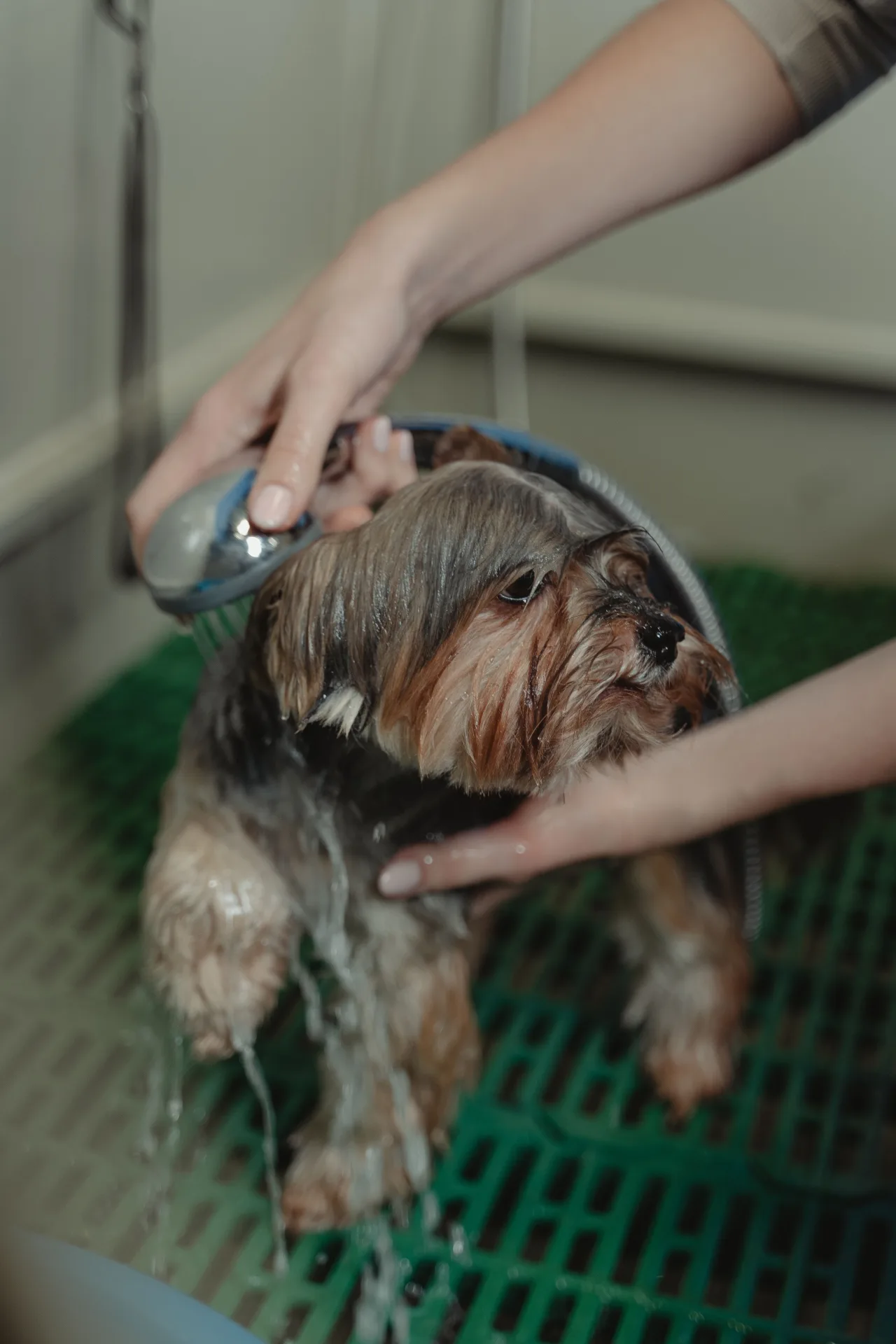
Automated grooming reminders can increase repeat bookings by 40%. Discover why they work and how to implement them effectively.
Most pet owners fully intend to bring Fido back for his next grooming appointment. Life gets busy, though, and what seemed urgent six weeks ago fades into background noise amid work deadlines, school pickups, and everything else competing for attention. The groomer who stays top-of-mind is the one who gets the booking, and grooming reminder systems have emerged as one of the most effective tools for converting one-time clients into regulars.
The 40% Bump: What the Numbers Actually Mean
Groomers who implement structured reminder systems consistently report rebooking rates between 35% and 45% higher than those who rely on clients to remember on their own. That's not a marginal improvement. If you're currently rebooking half your clients, a 40% increase means you're now rebooking seven out of ten instead of five. Over a year, that translates to hundreds of appointments you would have otherwise lost to forgetfulness or a competitor's well-timed text message.
The mechanism is straightforward: grooming is a recurring need with predictable intervals. Dogs need haircuts every six to eight weeks on average, depending on breed and coat type. Cats who tolerate grooming benefit from quarterly visits. Nail trims fall on a four to six week cycle. These aren't surprise expenses like emergency vet visits; they're scheduled maintenance that clients know they need. The challenge isn't convincing them of the value. It's being present in their awareness at the moment they're ready to book.
How Reminder Systems Actually Work
A functional grooming reminder system does more than send a generic "time for a trim" message. The most effective setups track each pet's last visit, the specific services performed, and the recommended interval before their next appointment. When that date approaches, the system sends a personalized reminder that references the pet by name and suggests booking based on their usual schedule.
Timing matters significantly. Reminders sent one week before the recommended appointment date perform better than those sent two or three weeks out, which are too early and easily forgotten again. Messages sent after the recommended date has passed feel like nagging and suggest the groomer didn't prioritize the client. The sweet spot is typically five to seven days in advance, giving pet owners enough time to find a slot that works without letting the message sink into their inbox graveyard.
The channel matters too. Text messages have open rates above 90%, compared to email's 20-30%. Many groomers use a hybrid approach: an initial text reminder followed by an email if no booking occurs within three days. The email can include more detail, such as before-and-after photos from the pet's last visit or seasonal grooming tips that reinforce your expertise.
Building the System Into Your Workflow
You don't need expensive software to start. Many groomers begin with a simple spreadsheet listing client names, pet names, last appointment date, and recommended return interval. Set calendar reminders for yourself to send messages manually at first. This low-tech approach works fine when you're managing 20 to 30 regular clients.
As your base grows, manual tracking becomes unsustainable. Dozens of affordable scheduling platforms designed for service businesses include automated reminder features. Look for systems that let you customize message templates, adjust timing based on service type, and track which reminders convert into bookings. That last feature is crucial because it shows you which messaging approaches actually work with your specific clientele.
Integration with your booking system is ideal but not mandatory at the start. The core requirement is a reliable way to know when each pet is due and a consistent process for reaching out. Even a weekly routine where you review upcoming due dates and send batch messages is infinitely better than relying on clients to remember unprompted.
Common Mistakes That Kill Rebooking Rates
The biggest error is inconsistency. Sending reminders for three months, stopping because you got busy, then restarting erratically trains clients not to rely on your prompts. They'll assume you're disorganized and start looking elsewhere for groomers who seem more on top of their business.
Generic messaging is another pitfall. "It's been a while, time to book!" lands flat compared to "Hi Sarah, Bella is due for her usual trim and nail service around March 15th. Want your usual Saturday morning slot?" The second message shows you remember both the pet and the client's preferences, which signals that they're more than just another appointment to you.
Some groomers worry that automated reminders seem impersonal or pushy. The opposite is true when done well. Clients appreciate the service because it removes mental load from their already crowded schedules. The key is tone: position reminders as helpful service, not aggressive sales pitches. A simple "Bella's coat is probably getting long—ready to get her back on schedule?" feels considerate, not demanding.
Turning Reminders Into Relationship Builders
The best grooming reminder systems do double duty as relationship touchpoints. Including a small personal detail from the last visit—"Hope Bella's enjoying that new calming shampoo we used"—transforms a transactional message into a conversation starter. Seasonal reminders can include breed-specific tips: Huskies need extra attention before summer heat, Poodles benefit from shorter cuts during rainy months, older dogs might need gentler handling as arthritis sets in.
Some groomers send birthday messages for their regular clients' pets, which costs nothing but creates outsized goodwill. Others include photos from the previous visit in their reminder emails, which pet owners love to receive and often share on social media, generating free marketing alongside the rebooking prompt.
The goal extends beyond filling your next week's schedule. You're building a system where clients come to rely on you as their pet's grooming expert, not just a service provider they use when they happen to remember. That shift from transactional to relational is what separates groomers with 60% client retention from those maintaining 85% or higher.
Where New Clients Fit Into the System
Every grooming business needs a steady flow of new clients to offset natural attrition and support growth. Once your reminder system ensures you're rebooking most existing clients, you can focus acquisition efforts on the channels that actually deliver qualified leads. Word-of-mouth from satisfied regulars becomes your best marketing, but you still need visibility when pet owners in your area search for grooming services.
Service marketplaces that connect local businesses with people actively searching for what you offer can fill that gap efficiently. Rather than hoping the right clients stumble across your website or social media, you get matched with pet owners who are ready to book now. Combined with a solid reminder system that keeps those new clients coming back, you create a sustainable growth engine: acquire, retain, repeat.
Ready to keep your grooming schedule consistently full? Create a free RippleQuest profile and start receiving requests from pet owners in your area who are actively looking for a groomer they can trust. Build your client base, then let your reminder system turn those first-time visits into long-term relationships.